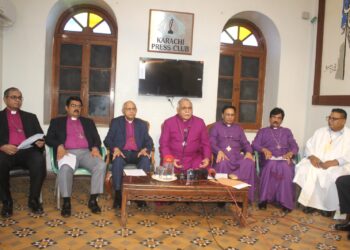
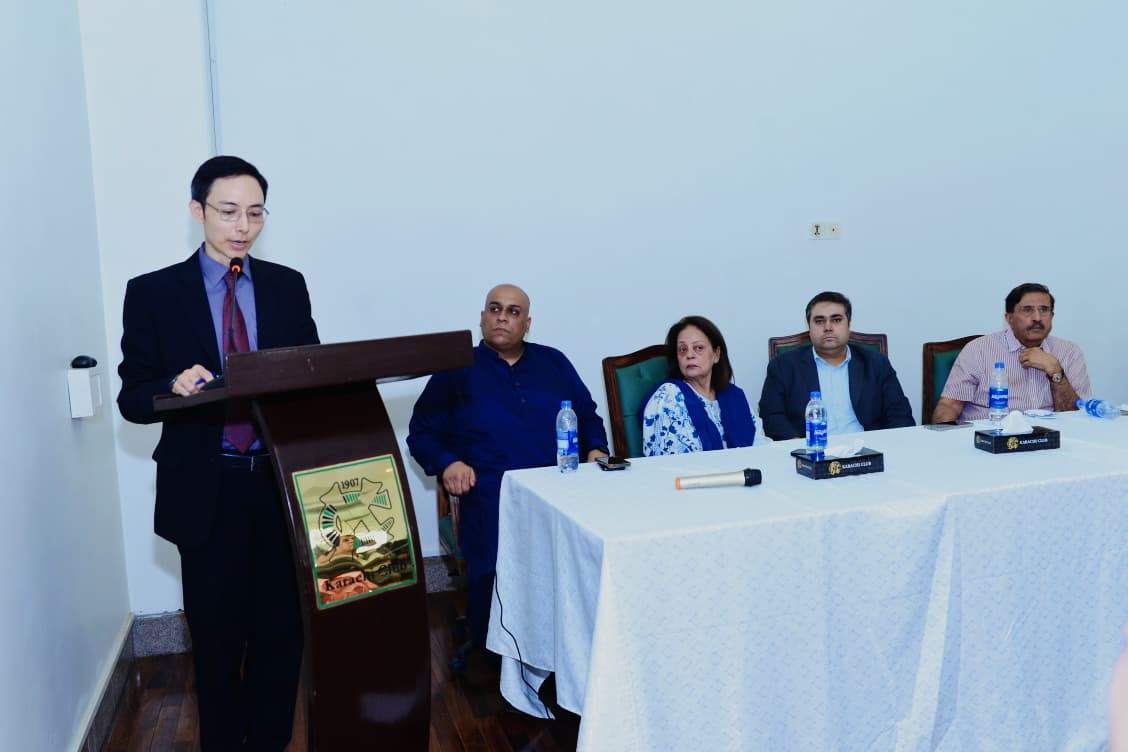
KARACHI: The Pak-Sudan Business Council hosted a high-level strategic session titled “Combating Non-Traditional Security Issues” in Karachi, bringing together diplomats, defense experts, academicians, business leaders, and civil society representatives to discuss the growing challenges posed by modern security threats in the region and beyond.
The event was led by prominent entrepreneur and Honorary Trade Advisor to Sudan, Taab Khan, who emphasized the urgent need for collective national efforts to tackle emerging threats such as cyber warfare, misinformation, extremism, climate change, economic instability, and social unrest.
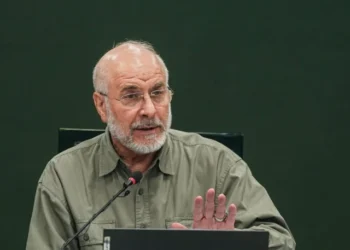
Delivering the keynote address, Brigadier (Retd.) Haris Nawaz highlighted the rapidly changing nature of global security challenges, stating that modern threats require coordinated responses from both state institutions and society. He stressed the importance of national unity, strategic policymaking, and institutional preparedness to ensure Pakistan’s stability and sovereignty.
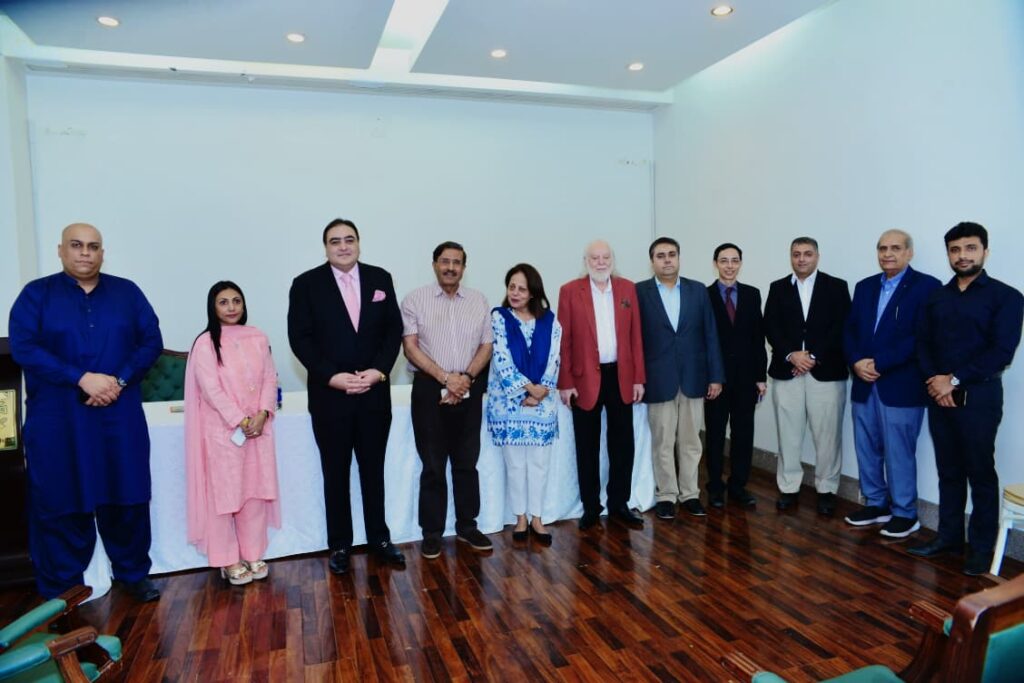
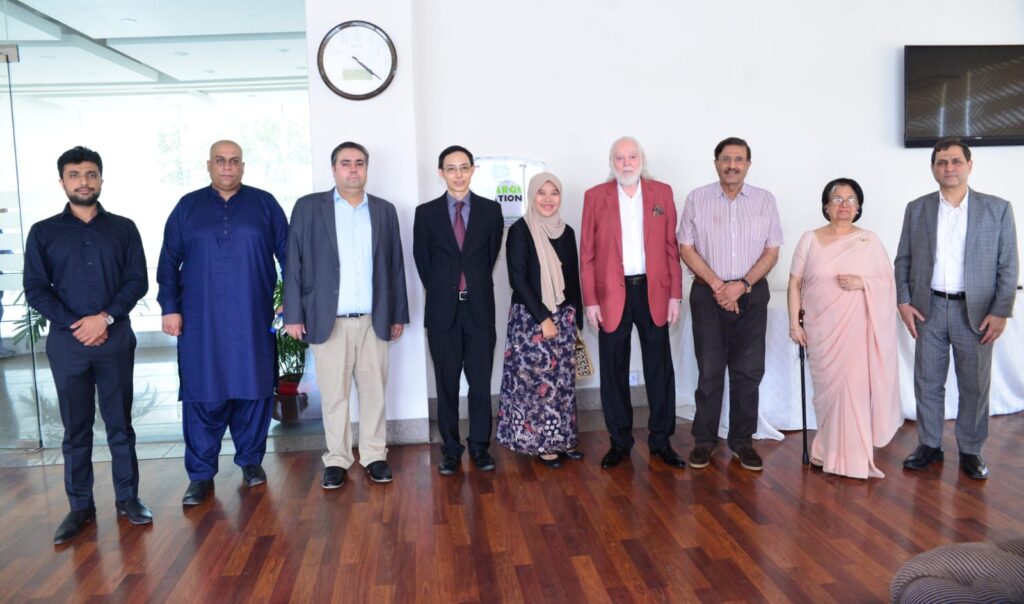
International relations expert Prof. Dr. Khalida Ghous shed light on the socio-political and humanitarian dimensions of non-traditional security threats. She underlined the importance of inclusive governance, quality education, regional cooperation, and social resilience in combating extremism, disinformation campaigns, and humanitarian crises.
Adding an international perspective, Dr. Chotirat discussed global best practices and regional experiences in addressing non-traditional security concerns. He emphasized the significance of diplomatic coordination, intelligence sharing, and public-private partnerships in countering transnational threats effectively.
Speaking on the occasion, Taab Khan paid tribute to Field Marshal Asim Munir and the Pakistan Army for their role in defending the country against both traditional and emerging security challenges. He praised the armed forces for countering hostile narratives and ensuring national stability during difficult times.
“The legacy of our military leadership is a source of pride for the nation,” Taab Khan remarked, adding that entrepreneurs, professionals, and civilians also have a responsibility to project a progressive and positive image of Pakistan globally.
The session was attended by a distinguished delegation, including Bangladesh Deputy High Commissioner Sakib Sadakat, Sri Lanka’s Consul General Sanjeewa Pattiwala, Indonesian Consul Dian Ratri, Senator Dr. Abdul Haseeb Khan, Honorary Consul of Ivory Coast Fazal Dadabhoy, Barrister Shahida Jamil, Dawood University Vice Chancellor Dr. Samreen Hussain, bureaucrat Syedain Naqvi, and NAPA CEO Jarry Masood.
Representatives of the Pak-Sudan Business Council, including Jahanzeb Khan and Tahoor Khan, reaffirmed their commitment to strengthening Pakistan’s diplomatic, economic, and international partnerships through strategic dialogue and intellectual engagement.
The event concluded with a collective pledge to enhance cooperation among academia, business leaders, civil society, and national security institutions to build a safer, stronger, and more prosperous Pakistan.