Oil prices surged more than 2% in Asian trading on Thursday, reaching their highest level in over six weeks. Markets reacted to escalating tensions in the Middle East after Yemen’s Houthis targeted oil tankers in the Red Sea and the United States launched another round of strikes on Iran.
Salman Khan Actor Backs Students Protesting Paper Leaks, Urges Education Reforms
Brent and WTI Extend Gains
Brent crude futures rose $2.20, or 2.3%, to $96.27 a barrel by 0327 GMT. The benchmark reached its highest level since June 8 after closing more than $3 higher in the previous session.
Meanwhile, U.S. West Texas Intermediate (WTI) crude climbed $1.65, or 1.9%, to $88.48 a barrel, extending Wednesday’s gains.
Strait of Hormuz Tensions Deepen
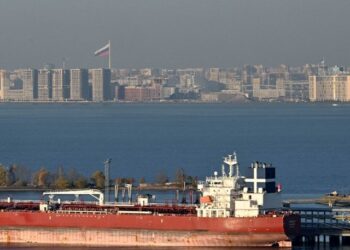
Iran’s Revolutionary Guards said an oil tanker caught fire after an explosion while attempting to travel along what they described as a mined route south of the Strait of Hormuz. They added that two other tankers turned back.
Furthermore, the Guards claimed the Strait of Hormuz was “completely closed” while U.S. military operations continued. They warned that no vessel would be allowed to enter or leave without coordinating with Iranian authorities.
Houthi Attacks Increase Pressure
At the same time, the Iran-backed Houthis expanded the conflict by threatening vessels transporting Saudi oil through the Bab el-Mandeb Strait.
The group said it carried out attacks on two Saudi oil tankers. Maritime security reports indicated that one of the vessels, the Saudi-flagged tanker Encelia, was struck in the Red Sea.
In addition, the Houthis claimed they forced around 10 ships to turn back after warning vessels against sailing to Saudi ports. Reuters could not independently verify those claims.
Analysts Warn of Supply Risks
Analysts said simultaneous threats to both the Strait of Hormuz and the Bab el-Mandeb Strait have significantly increased risks to global oil supplies.
Priyanka Sachdeva, Senior Market Analyst at Phillip Nova, said geopolitical tensions have returned to the market. However, she noted that a sustained price rally would require prolonged shipping disruptions or major supply outages.
Similarly, Saul Kavonic, Head of Energy Research at MST Marquee, said disruptions in the Red Sea could affect up to five million barrels of oil per day. He added that the route serves as the main alternative for Gulf oil exports that bypass the Strait of Hormuz.
U.S. Strikes Add to Market Uncertainty
Meanwhile, the U.S. military confirmed it had completed its 12th consecutive night of strikes on Iran.
The operations followed President Donald Trump’s warning that the United States would target Iranian infrastructure if Iran continued attacking ships in the Strait of Hormuz.
As a result, investors remain focused on developments in the Middle East, with fears that further escalation could disrupt energy supplies and keep oil prices under upward pressure.