By Komal Shabbir

Coral reefs, among the most biodiverse yet fragile ecosystems on Earth, are facing unprecedented decline due to climate change, pollution and overexploitation. Scientists are now exploring microbiome engineering as a cutting-edge strategy to strengthen coral resilience and protect marine biodiversity — including Pakistan’s reefs along the Makran coast.
A Rapidly Shrinking Ecosystem
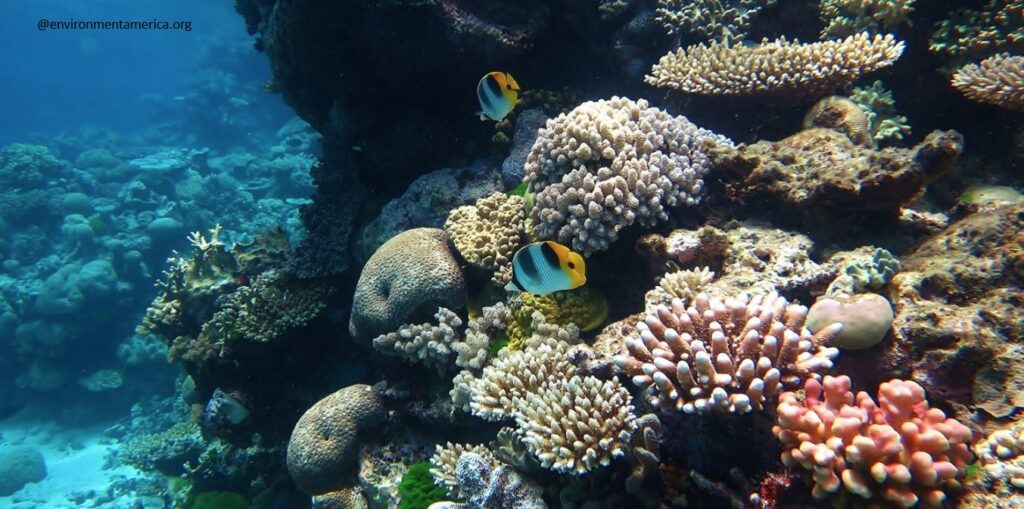
Although coral reefs cover just 2.28 million square kilometres — roughly 0.09 per cent of the ocean’s surface — they support more than 25 per cent of global marine biodiversity, according to Majumdar et al. (2018).
Research published by Eddy et al. (2021) indicates that reef-related ecosystem services have declined by nearly 50 per cent since the 1950s due to pollution, overfishing and accelerating climate change. Rising sea temperatures have triggered mass coral bleaching events, while nutrient runoff has further reduced reef resilience.
The threat is particularly stark. A 2019 report by the Intergovernmental Panel on Climate Change (IPCC) described coral reefs as the most vulnerable marine ecosystem to climate change. Even with global warming limited to 1.5°C, up to 90 per cent of reefs could be lost by 2050. At 2°C of warming, losses could reach 99 per cent. Between 2009 and 2018 alone, approximately 14 per cent of the world’s coral reefs were lost.
Pakistan’s Reefs Under Pressure
Pakistan’s coral ecosystems — located off the Makran Coast of Balochistan, including Astola Island, Churna Island, Gwadar, Jiwani and Ormara — are relatively small in scale but ecologically and economically significant. They sustain fisheries, protect coastlines and support tourism activities such as diving and snorkeling.
With rising ocean temperatures in the Arabian Sea, these reefs face growing environmental stress. Their degradation would directly affect coastal livelihoods and biodiversity in the region.
Microbiome Engineering: A Scientific Breakthrough
Conventional conservation methods have struggled to reverse reef decline. According to Van Oppen and Blackall (2019), researchers are increasingly turning to microbiome engineering (ME) — a technique aimed at modifying coral-associated microbial communities to enhance stress tolerance.
Corals exist as “holobionts,” living in close association with diverse microorganisms that influence nutrient acquisition, immune response and thermal tolerance. Studies such as Messer et al. (2024) highlight the crucial role of these microbial symbionts in coral survival.
ME strategies under exploration include:
- Probiotic treatments
- Bacteriophage therapy
- Transplantation of microbiomes from healthy to stressed corals
Research suggests that even modest changes in coral microbiomes can significantly improve their tolerance to elevated temperatures. Berkelmans and Van Oppen (2006) demonstrated that microbial adjustments can enhance resilience under thermal stress conditions.
Global Economic and Ecological Stakes
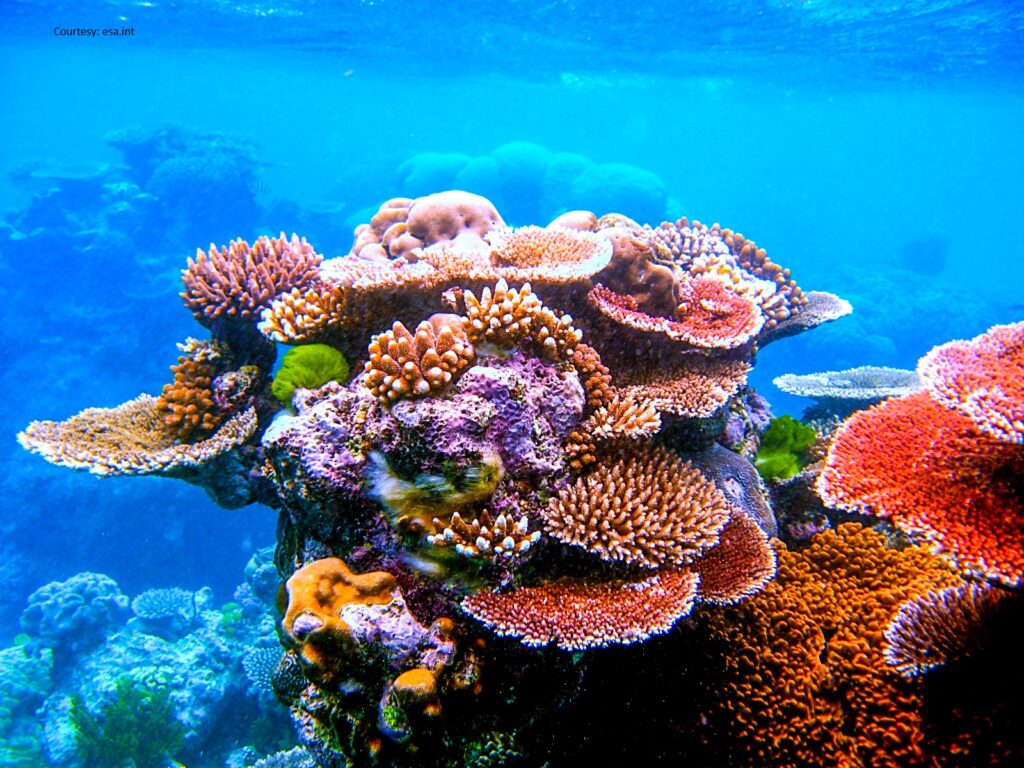
According to the United Nations Environment Programme (UNEP), coral reefs provide goods and services valued at approximately $2.7 trillion annually. They are vital for food security, coastal protection and tourism, particularly in small island developing states and low-lying nations.
Souter et al. (2021) note that although corals cover less than one per cent of the seafloor, they support more than 25 per cent of marine species. Scientists warn that without decisive action, most reef ecosystems could collapse within decades.
For Pakistan, strengthening coral resilience would not only conserve biodiversity but also protect fisheries, coastal infrastructure and tourism-based livelihoods.
Ethical and Ecological Considerations
Despite its promise, microbiome engineering presents technical and ethical challenges. Altering complex microbial communities in dynamic marine environments carries risks of unintended ecological consequences. Introducing new microbes could disrupt existing marine balances.
Experts emphasize the need for rigorous testing, careful monitoring and strong regulatory frameworks. A balanced approach that safeguards ecological integrity while promoting scientific innovation is considered essential.
The Way Forward for Pakistan
Researchers and policymakers argue that Pakistan must invest in scientific studies, local pilot projects and regulatory oversight to responsibly integrate microbiome engineering into national conservation strategies.
Collaboration between government agencies, research institutions and coastal communities will be critical. Public awareness campaigns can also help communities understand the ecological and economic importance of coral reefs.
Healthy reefs support resilient fisheries and sustain tourism industries, contributing to economic stability in coastal regions. By investing in innovative conservation tools, Pakistan can strengthen both environmental security and livelihoods.
Conclusion
As climate change accelerates and traditional conservation efforts prove insufficient, microbiome engineering offers a promising frontier in coral reef preservation. While challenges remain, scientific evidence suggests that enhancing coral-associated microbial communities could significantly improve reef survival under rising temperatures.
For Pakistan and the wider global community, embracing carefully regulated innovation may be key to securing a sustainable future for coral ecosystems and the millions of people who depend on them.