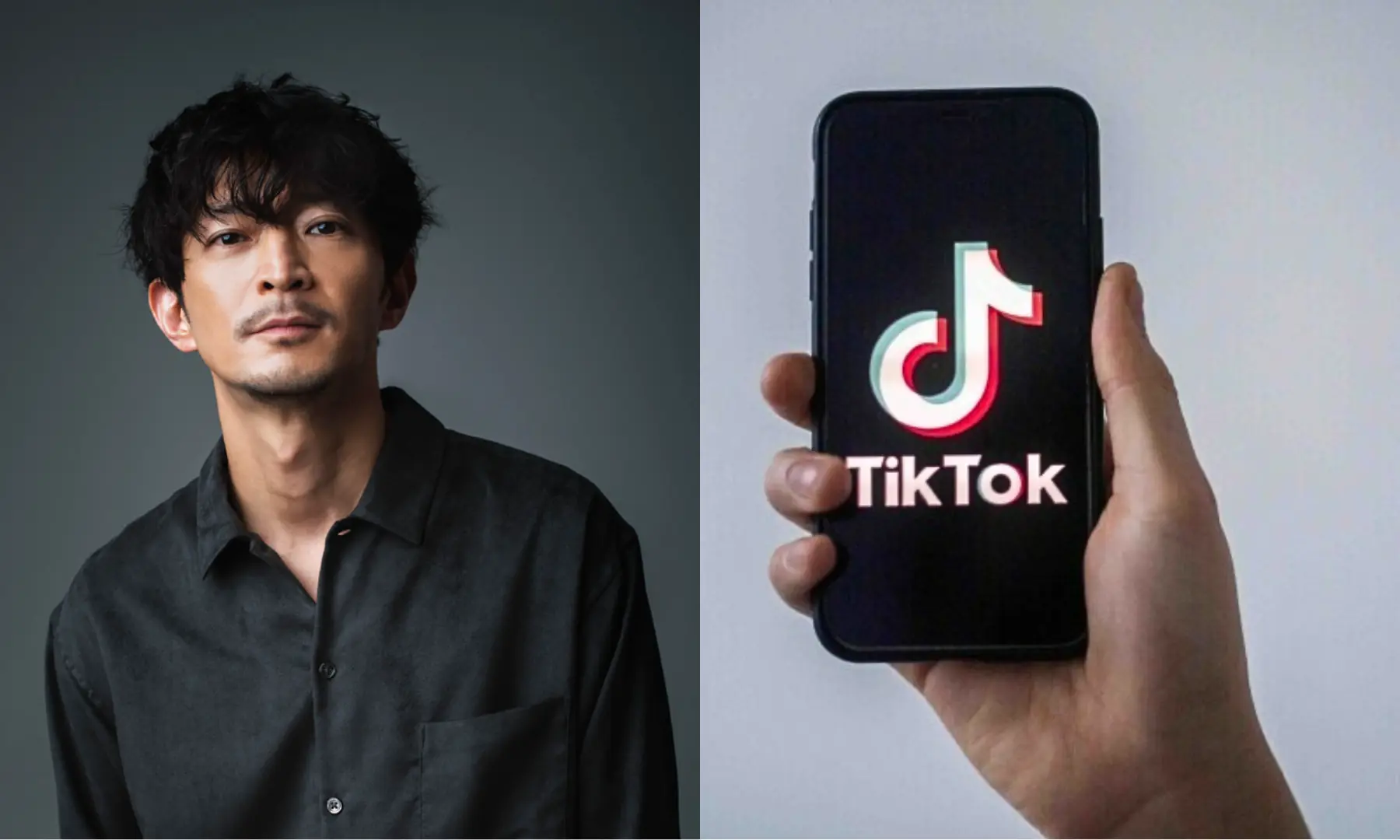
Japanese voice actor Kenjiro Tsuda has taken TikTok’s operator to court over videos he says used generative artificial intelligence to imitate his distinctive voice without permission.
The case, filed with the Tokyo District Court, is widely regarded as Japan’s first major legal dispute focused on the unauthorised AI imitation of an individual performer’s voice. The court is scheduled to deliver its ruling on September 30.
Tsuda, known for roles including Kento Nanami in Jujutsu Kaisen and characters in Yu-Gi-Oh!, is seeking the removal of videos featuring narration that he says closely resembles his deep, distinctive voice.
According to court documents, an anonymous TikTok account posted at least 188 videos between July 2024 and September 2025. The videos reportedly combined images with AI-generated narration covering subjects such as urban legends, occult stories and conspiracy theories.
Pakistan Volleyball Overcome Asian Games Travel Mix-Up to Beat Uzbekistan
The account reportedly attracted about 210,000 followers. Tsuda’s legal team has argued that the videos gained commercial value because of the similarity between the synthetic narration and the actor’s recognisable voice. The complaint said the account generated between ¥500,000 and ¥750,000 a month based on view counts.
Tsuda’s lawyers argue that the use of his voice violates his publicity rights, which allow public figures to control the commercial exploitation of aspects of their identity.
TikTok has rejected the claim. According to court records, the platform argues that the narration was simply a generic male voice and that claims of similarity to Tsuda’s voice are subjective. It has also challenged the suggestion that the account relied on Tsuda’s identity to attract viewers.
The legal dispute comes as Japan examines how existing rights should apply to AI-generated replicas of voices and images.
Japan’s Justice Ministry recently issued non-binding guidance stating that a person’s voice can fall under existing publicity and likeness protections because it can function as a symbol of an individual’s personality. The guidance could become relevant to the court’s consideration of Tsuda’s case.
The case has attracted attention from Japan’s acting and voice-acting community. The Japan Actors Union has publicly expressed support for Tsuda, while other performers have warned that unrestricted AI voice cloning could undermine opportunities for professional voice actors.
Yuko Sasaki, executive director of the Japan Actors Union and a voice actor herself, said performers spend years developing their voices and skills. She argued that a performer’s voice should receive legal protection against unauthorised commercial imitation.
The dispute also reflects a broader international debate over AI-generated replicas of performers. In 2024, OpenAI apologised to actress Scarlett Johansson after the release of a synthetic voice that she said sounded similar to hers.
Legal experts say the Japanese case could attract international attention because it may help clarify whether a recognisable voice can receive publicity-rights protection when reproduced through generative AI.
For voice actors, the ruling could provide an important indication of how existing Japanese law applies to rapidly developing AI technology and whether performers have meaningful legal remedies when their vocal identities are reproduced without authorisation.