Islamabad MoU efforts continue as Pakistan works to bring the United States and Iran back to the negotiating table, the Foreign Office (FO) said on Thursday.
Turbat Killings Six Abducted Labourers Found Dead in Balochistan
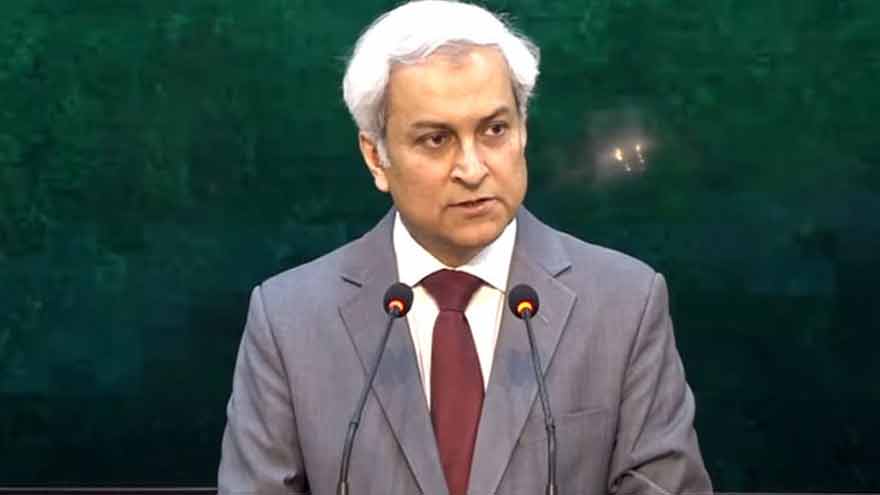
Speaking at the weekly media briefing, FO spokesperson Tahir Andrabi said Pakistan remains concerned about the fragile security situation in the Middle East. However, he noted that the recent reduction in hostilities has created hope for a lasting ceasefire and renewed diplomatic engagement.
Moreover, Andrabi reaffirmed Pakistan’s position that dialogue and diplomacy remain the only effective way to resolve disputes and reduce regional tensions.
“We welcome all efforts aimed at sustaining the cessation of hostilities and the resumption of dialogue between Iran and the US,” he said.
Pakistan Urges Maximum Restraint
Andrabi said diplomatic efforts are continuing to normalize the regional situation, particularly around the Strait of Hormuz.
Furthermore, he said Pakistan is making every effort to bring both countries back to the framework of the Islamabad MoU. He added that the agreement provides a platform to address outstanding issues through dialogue.
The spokesperson also urged Washington and Tehran to exercise maximum restraint and honour their commitment to restart technical-level negotiations under the Islamabad MoU and the Pakistan-Qatar Joint Statement issued on June 22.
Regional Tensions Continue
The US-Iran Memorandum of Understanding was signed on June 18 after weeks of diplomatic efforts to reopen the Strait of Hormuz and reduce regional conflict.
However, tensions escalated again on July 7 after Iran targeted commercial vessels in the Strait of Hormuz, including a Qatari liquefied natural gas tanker. Tehran accused Washington of violating the agreement, while the United States responded with multiple military strikes on Iranian targets.
Meanwhile, the conflict widened after Yemen’s Houthi rebels announced a naval blockade on Saudi Arabia, further disrupting regional shipping routes.
In addition, explosions hit a natural gas loading facility in Egypt, while reports said a US-owned floating storage tanker was struck by a drone.
The United States and Saudi Arabia also carried out joint strikes against Iran-backed groups in Iraq following attacks on US military positions and Saudi oil facilities.
On Thursday, the United States launched another round of strikes on Iran after Tehran allegedly targeted American military bases in Jordan.
Foreign Office Rejects DW Documentary
Separately, the Foreign Office rejected a documentary by Germany-based broadcaster Deutsche Welle (DW) on Pakistan’s nuclear programme.
Andrabi described the documentary as misleading and based on speculation. He said it repeated outdated claims supported by biased sources.
Moreover, he argued that the programme reflected either a misunderstanding of Pakistan’s nuclear policy or a deliberate disregard for the country’s security considerations.
FO Questions Journalistic Standards
The Foreign Office also questioned DW’s editorial judgment for broadcasting the documentary.
Andrabi said responsible journalism requires fact-checking, balanced reporting and proper context. He added that media organisations should avoid presenting unverified claims as established facts.