Donald Trump Signals Progress on US-Iran Deal
The US-Iran Deal has moved back into the global spotlight after US President Donald Trump announced that a long-awaited agreement could be signed as early as Sunday. However, Iranian officials quickly challenged that timeline, creating fresh uncertainty around negotiations that many observers hoped would ease regional tensions.
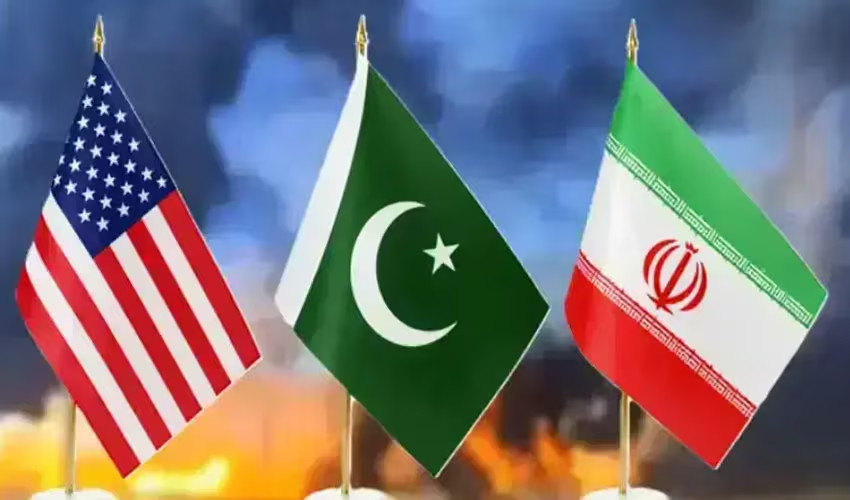
The announcement matters because the proposed US-Iran Deal reportedly includes the reopening of the Strait of Hormuz, one of the world’s most important energy shipping routes. Moreover, the agreement could establish a framework for broader discussions on economic restrictions, regional security, and future nuclear negotiations.
Donald Trump Highlights Hormuz Reopening
Donald Trump stated on his Truth Social platform that the agreement is expected to be signed on Sunday. According to his remarks, the deal would immediately reopen the Strait of Hormuz to international shipping.
He described the development as a significant step toward restoring stability in the region. Furthermore, Trump suggested that issues linked to Iran’s nuclear programme would be addressed during later negotiations once tensions had eased.
His comments fueled optimism among supporters of diplomatic engagement. Nevertheless, questions quickly emerged regarding whether both sides had actually finalized the agreement.
Shehbaz Sharif Supports US-Iran Deal Progress
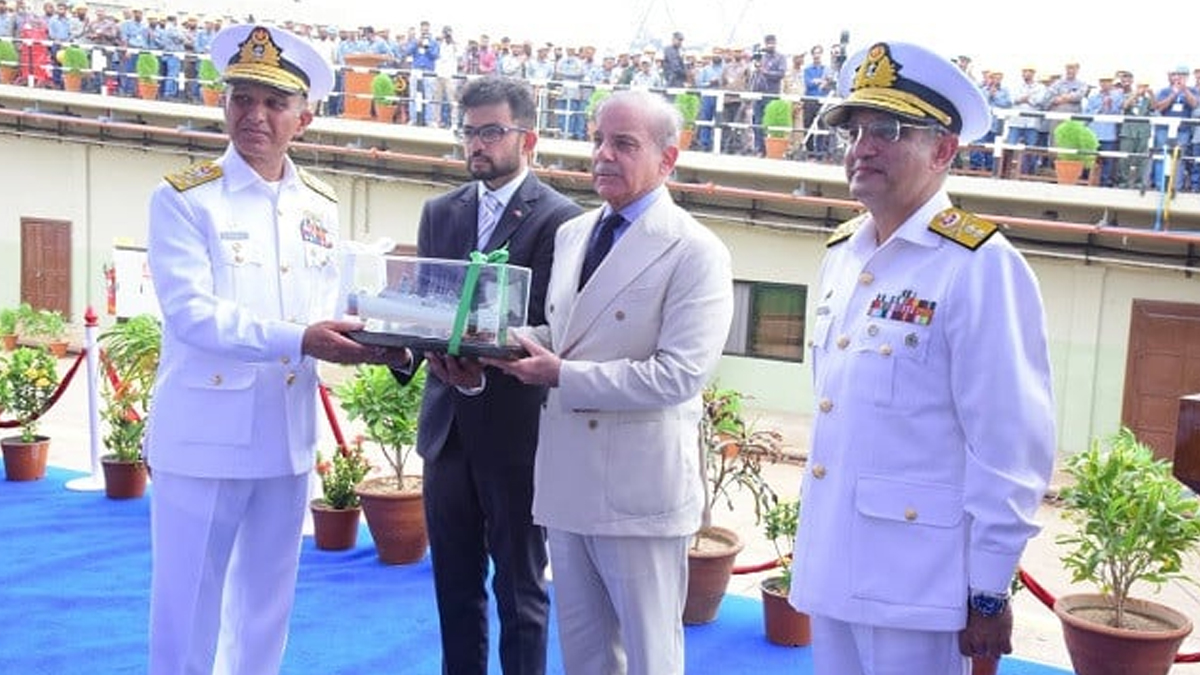
Pakistan has played an active role in facilitating communication between Washington and Tehran. As a result, Prime Minister Shehbaz Sharif expressed confidence that negotiations were moving in a positive direction.
According to interview statements, Sharif said both countries were closer to an agreement than at any previous stage of discussions. He also stated that preparations were reportedly underway for an electronic signing process within the next 24 hours.
In addition, Pakistani officials indicated that technical-level negotiations would continue after the initial framework agreement. Those talks would reportedly focus on implementation and verification mechanisms.
Esmaeil Baghaei Rejects Signing Timeline
Despite the optimism from Washington and Islamabad, Iran delivered a very different message. Foreign Ministry spokesperson Esmaeil Baghaei stated that it was too early to confirm any signing date.
He reportedly said that the agreement would not be signed on Sunday. At the same time, he left open the possibility of further negotiations in the coming days.
Iranian officials emphasized that discussions remain ongoing. Therefore, they argued that public declarations about a finalized agreement could create unrealistic expectations and complicate sensitive diplomatic efforts.
Revolutionary Guard Challenges Trump Statement
The Islamic Revolutionary Guard Corps also rejected claims that a deal would be signed immediately. Military and security sources reportedly described Trump’s announcement as political messaging rather than a reflection of current negotiations.
According to those sources, Iranian negotiators have not approved a Sunday signing. They further stated that there was no realistic possibility of finalizing such an agreement within the timeframe mentioned by the US President.
Consequently, the conflicting narratives have highlighted the significant trust deficit that continues to shape relations between the two countries.
Nuclear Talks Remain Separate Issue
Reports indicate that the proposed framework may include provisions related to shipping routes, restrictions on Iranian ports, and regional security concerns. However, Iranian officials maintain that discussions about the country’s nuclear programme will take place later.
US officials have also stressed that any economic relief would depend on Iran meeting agreed obligations. Therefore, sanctions relief and other economic measures would likely be linked to verifiable compliance.
Meanwhile, intermittent clashes and regional tensions continue to create uncertainty. Although diplomatic momentum appears stronger than in previous rounds of talks, analysts note that earlier negotiations also collapsed at advanced stages.
For now, the proposed US-Iran Deal remains a work in progress. While all sides acknowledge ongoing discussions, major disagreements over timing and implementation suggest that several hurdles still remain before any agreement can be formally announced.