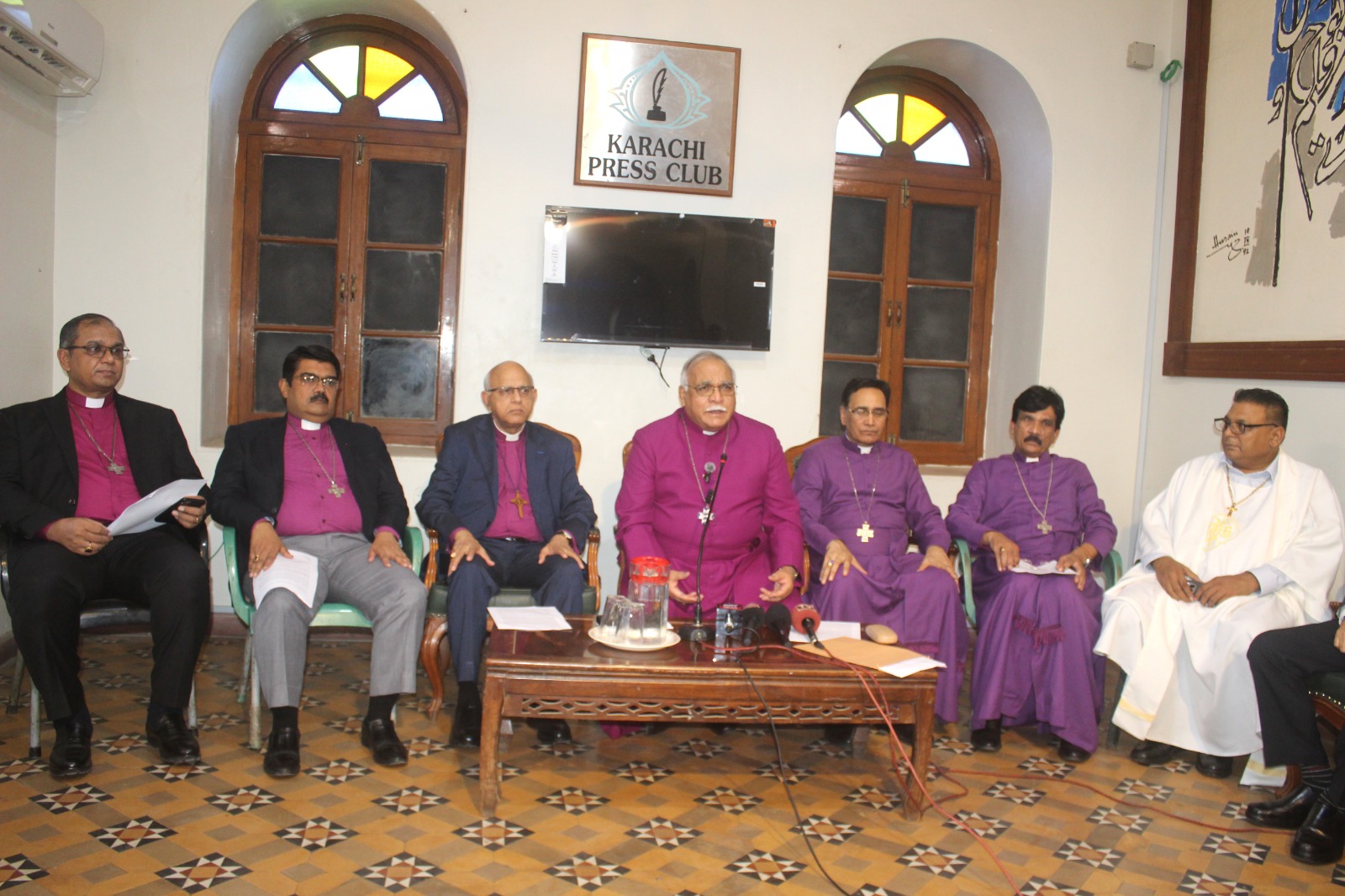
KARACHI, October 9, 2026: The Church of Pakistan has called on the Sindh government to defer further action on the proposed Christian Family Laws Bill 2026, seeking a comprehensive legal, constitutional and theological review before the legislation proceeds.
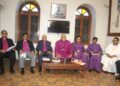
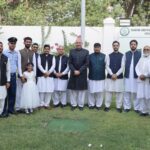
The call followed a meeting in Karachi of church leaders representing various Christian denominations, clergy, legal experts and Christian organisations. Archbishop Dr Azad Marshall, Moderator and President Bishop of the Church of Pakistan and Bishop of the Diocese of Raiwind, led the meeting.
Participants discussed the proposed legislation’s potential implications for Christian marriage, family life, religious freedom and the autonomy of churches. They called for meaningful consultation with all relevant stakeholders before lawmakers take further action.
itel Energy Unveils Advanced Solar Storage Solutions at Solar Pakistan Expo
Church Seeks Amendments to Existing Laws
The participants acknowledged the need to reform the Federal Christian Marriage Act, 1872, and the Federal Divorce Act, 1869. However, they argued that lawmakers should modernise the existing legislation through comprehensive consultation rather than introduce new consolidated Christian family laws without the churches’ consent.
The Church of Pakistan expressed serious reservations about the Sindh bill in its present form and urged the provincial government and the Sindh Assembly to pause further legislative action until a detailed review takes place.
The statement also raised concerns about the Khyber Pakhtunkhwa Christian Family Laws Bill 2026 in its current form.
The Church of Pakistan clarified that it had neither endorsed nor approved the Sindh bill in its present form. It added that participation in consultations should not be interpreted as acceptance of the proposed legislation.
Religious Freedom and Church Autonomy
The meeting stressed that Christian marriage is not merely a civil contract but a sacred covenant rooted in Christian faith and ecclesiastical tradition.
Participants said reforms should respect religious beliefs and family traditions while protecting the dignity and legal rights of women, men and children. They called for careful examination of proposed provisions concerning divorce, judicial separation and remarriage.
The church leaders also urged lawmakers to consider Article 20 of Pakistan’s Constitution, which protects religious freedom, and examine the division of legislative powers between the federation and provinces following the Eighteenth Constitutional Amendment.
They further called for consideration of a uniform national framework for Christian personal and religious laws to provide consistent protection for Christian families across Pakistan.
Representative Committee Proposed
As part of their proposed way forward, participants recommended forming a representative committee under the leadership of the Moderator of the Church of Pakistan.
The proposed committee would include representatives of different Christian denominations, legal experts, theologians and other relevant stakeholders. It would review the proposed legislation, recommend amendments to existing laws and facilitate dialogue with government and legislative authorities.
The meeting was attended by Bishop Kaleem John, Deputy Moderator of the Church of Pakistan, along with Bishop Leo Roderick Paul, Bishop Fredrick John, Bishop Aleem Anwar, Bishop Shahzad Gill and other church representatives.
Church Supports Consultation-Led Reform
The Church of Pakistan reaffirmed its willingness to work with government officials, parliamentarians, legal experts, religious scholars, civil society and other Christian denominations to develop a legally sound and constitutionally compliant framework.
The statement emphasised that the church does not oppose legitimate legal reforms. Instead, it wants lawmakers to develop legislation governing Christian marriage and family life through meaningful consultation while respecting religious freedom and ecclesiastical autonomy.
The meeting concluded with a call for Christian unity, constructive dialogue and a collective effort to protect the religious, family and legal rights of Christians throughout Pakistan.