KARACHI: The third day of the 3rd World Culture Festival Karachi 2026 featured a diverse programme of international and national music, dance, film and artistic activities, bringing together performers and cultural enthusiasts from across the world.
Organised by the Arts Council of Pakistan Karachi, the 25-day festival continued with workshops, panel discussions and live performances. The day’s highlights included the international musical presentation Journey of Love – Leyla & Majnun and the concert Sounds of Sohni Dharti, which celebrated Pakistan’s regional languages and musical traditions.
Calligraphy Workshop Introduces Students to Traditional Art
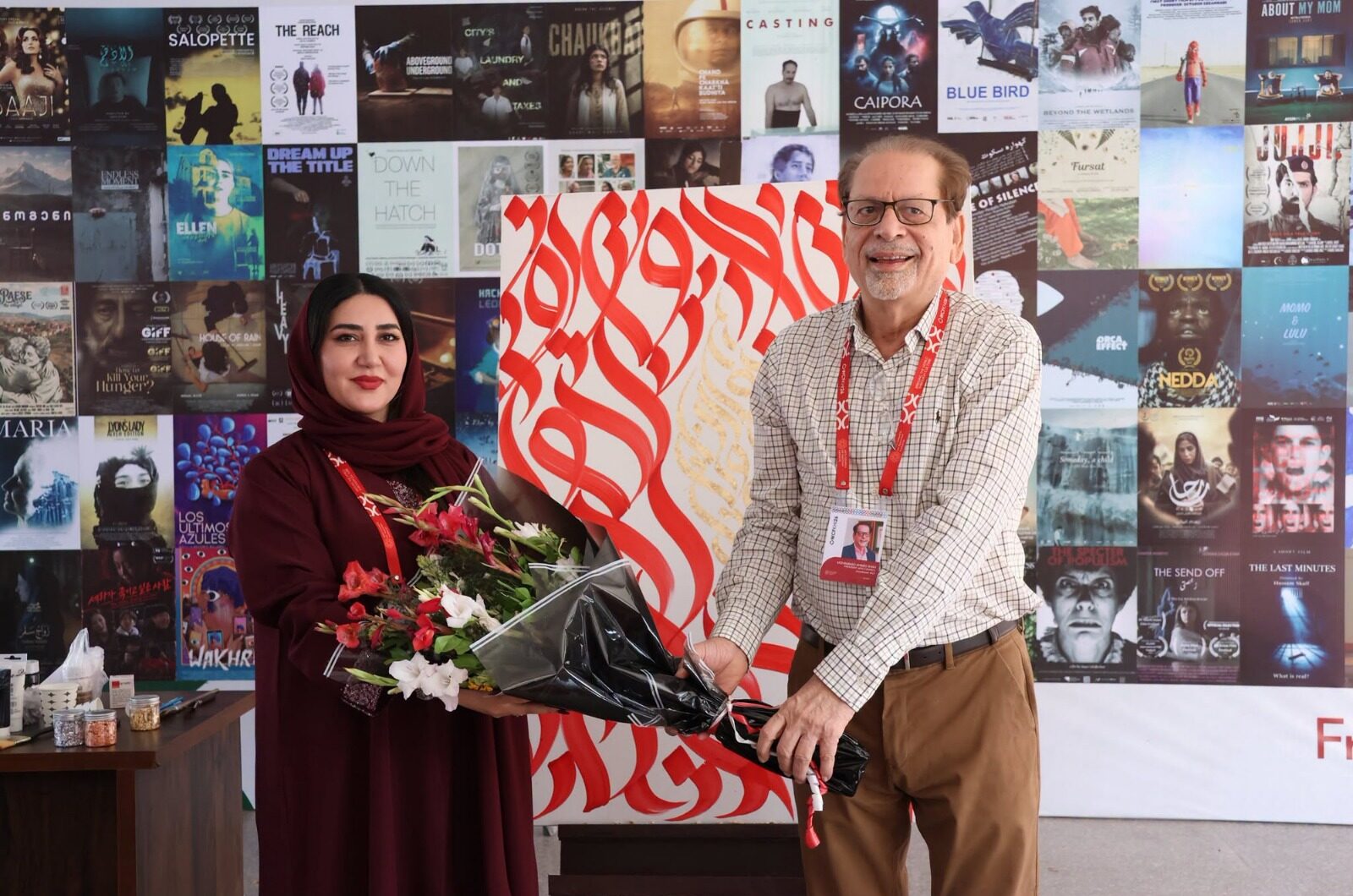
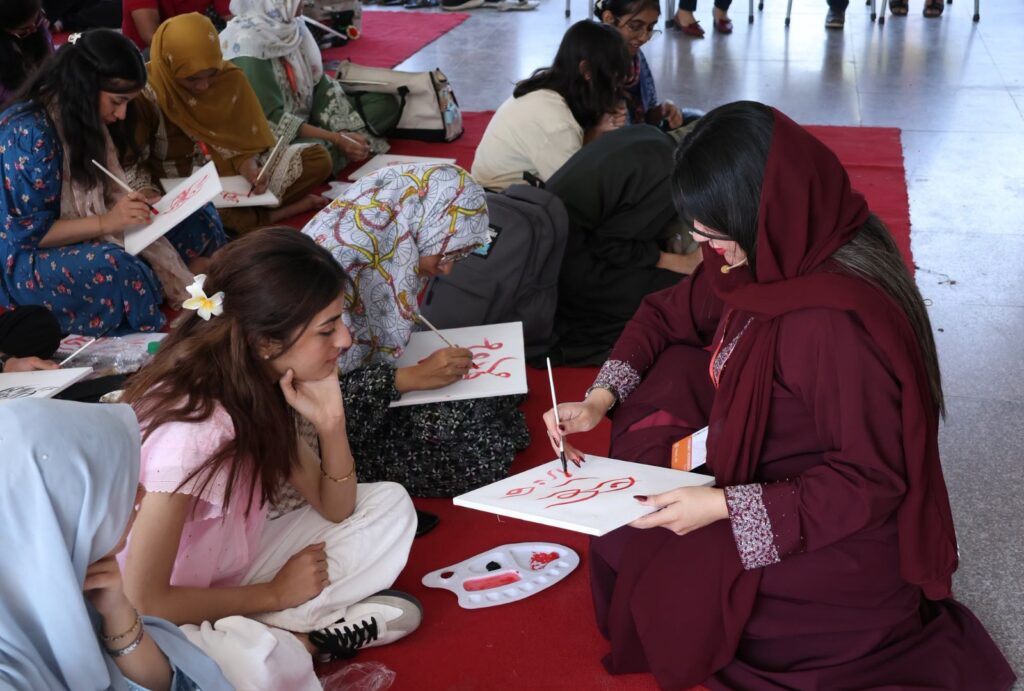
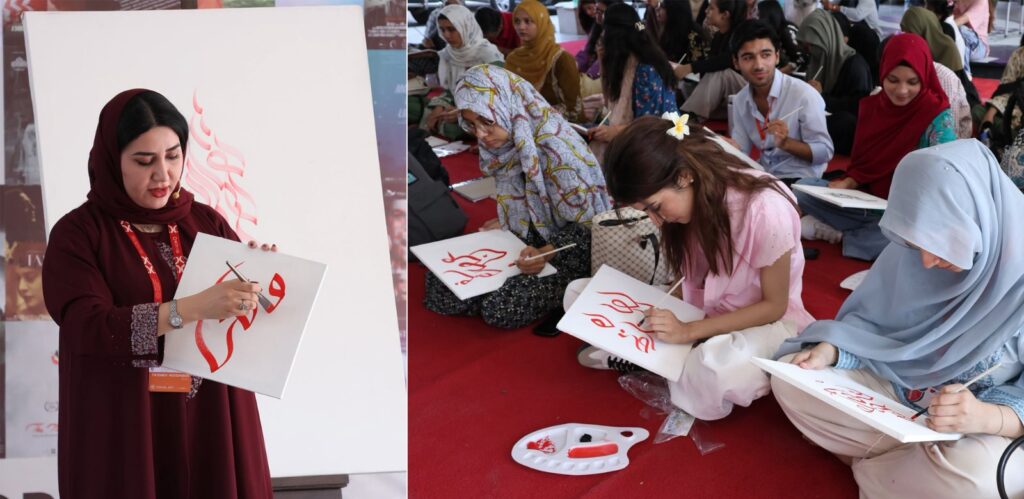
The day began with a live calligraphy workshop led by renowned calligrapher Fatemah Houseyn, associated with Iran and the UAE, in the Arts Council lobby.
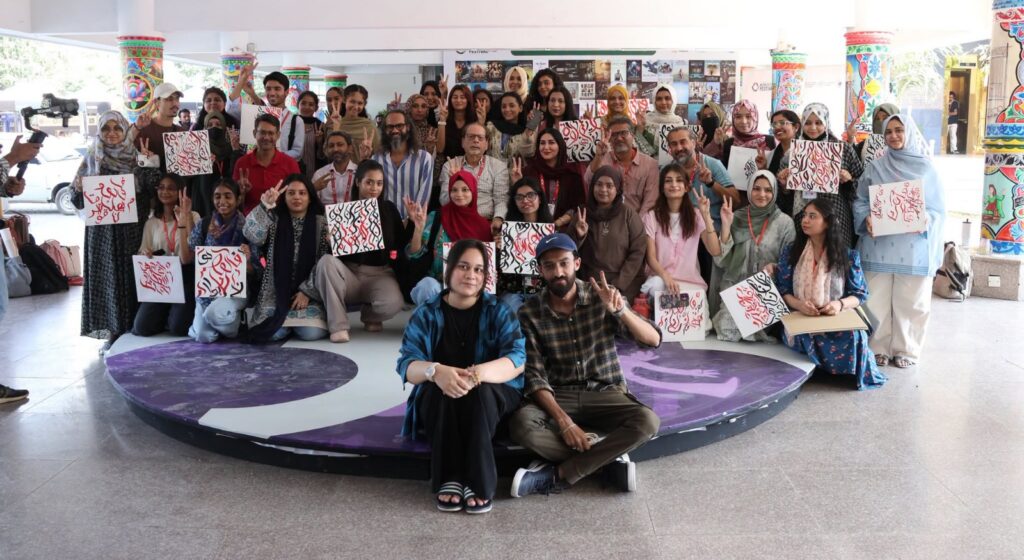
Houseyn demonstrated her calligraphy techniques and introduced students from the Arts Council’s Art School to the fundamentals and finer details of the art form. A large number of students also practised calligraphy on their individual canvases.
International Artists Discuss Art, War and Artificial Intelligence
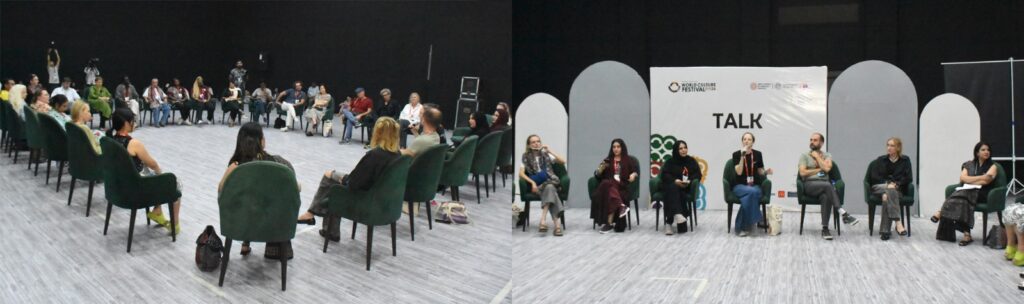
An international panel discussion titled ARTFELT: CONVERSATIONS brought together artists from different countries to share their creative journeys, experiences and perspectives.
The discussion explored the impact of ongoing conflicts around the world, the influence of artificial intelligence on artists, and the role of art and culture in society.
Serbian artist Alexander said that although elections had recently taken place in Serbia, challenges remained in changing the existing system. He noted that the system did not give art the recognition it deserved and stressed that culture could raise public awareness and contribute to building a democratic society.
Faiza Muhammad said art allowed people to create beauty and offer hope to others. She described the World Culture Festival as an important platform for connecting people through culture.
A Croatian artist, who had also participated in the previous edition, said artists could reflect the realities of their time while giving people hope and spreading messages of love and goodwill.
Ecuadorian artist Lyton said art extended beyond dance and music, bringing people together and allowing communities to share their cultures and experiences. He added that artists could use their work to communicate messages about developments around the world.
Ethiopian artist Kaleab highlighted art’s ability to benefit people in different ways, including its healing power. South Korean artist Sophie said art could bring people closer, while Singaporean artist Sherene Joseph observed that art could transcend political differences and discrimination. She also emphasised the importance of understanding another culture’s history to build meaningful connections.
The Polish artist said festivals provided opportunities for people to step outside their familiar social circles, meet individuals from other countries and develop a better understanding of different cultures.
Members of the Brazilian group also welcomed the opportunity for cultural exchange. Recalling historical experiences involving the perception and treatment of African American communities, they discussed how changes in government could affect freedom of expression. They described art as a powerful medium for communicating ideas and perspectives.
International Daf and Mohiniyattam Workshops
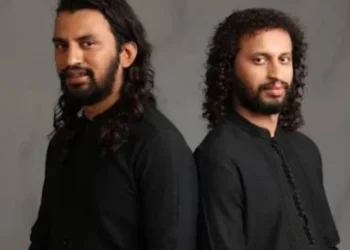
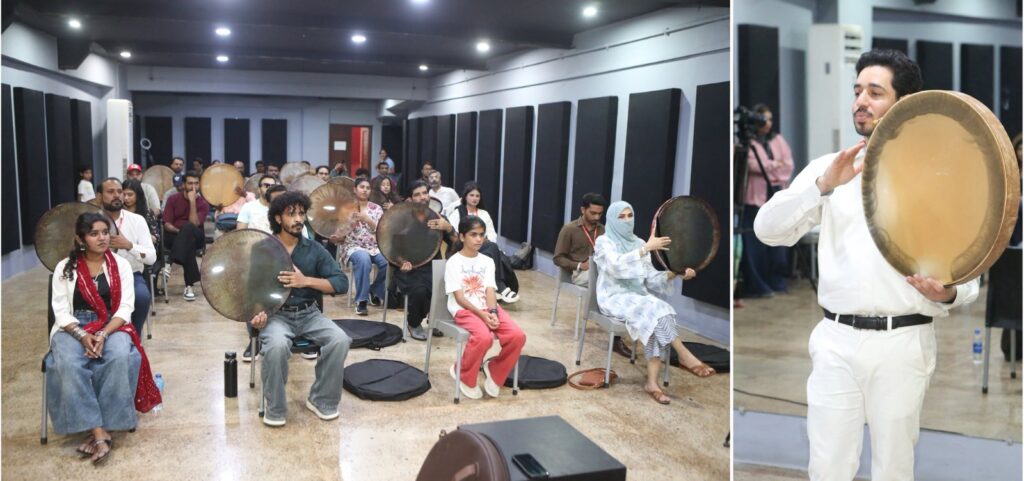
Music enthusiasts attended a DAF MUSIC WORKSHOP featuring members of the international group MTO Zendeh Delan, whose artists represent the UK, France, Switzerland, Canada and Germany.
The musicians introduced participants to the traditional Daf instrument and demonstrated techniques associated with Sufi and traditional music. A large number of young people and music enthusiasts attended the session and appreciated the artists’ expertise.
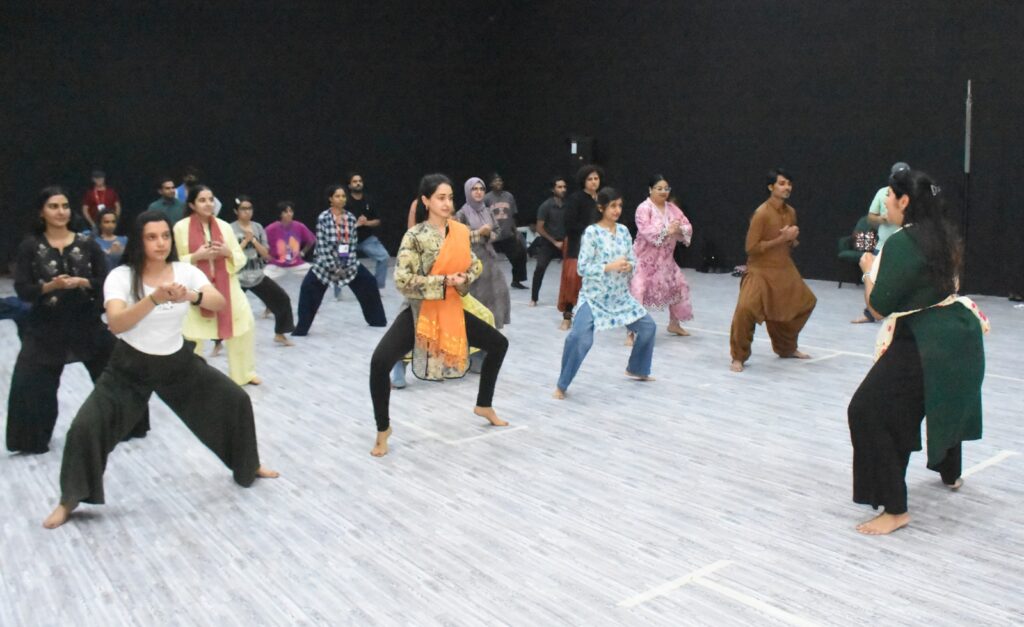
The festival also hosted a classical dance workshop on MOHINIYATTAM, conducted by Singapore-based artist Sherene Joseph.
Joseph introduced participants to the basic movements and techniques of the classical dance form, which originated in Kerala, India. She explained that the name Mohiniyattam means “Dance of the Enchantress”.
Sharing her experience, Joseph said her guru had taught her to follow movements found in nature. She also discussed the importance of eye movements and specific muscle techniques, noting that off-white and gold were traditionally preferred colours for Mohiniyattam costumes.
Pakistani Film ‘Zombied’ Screened
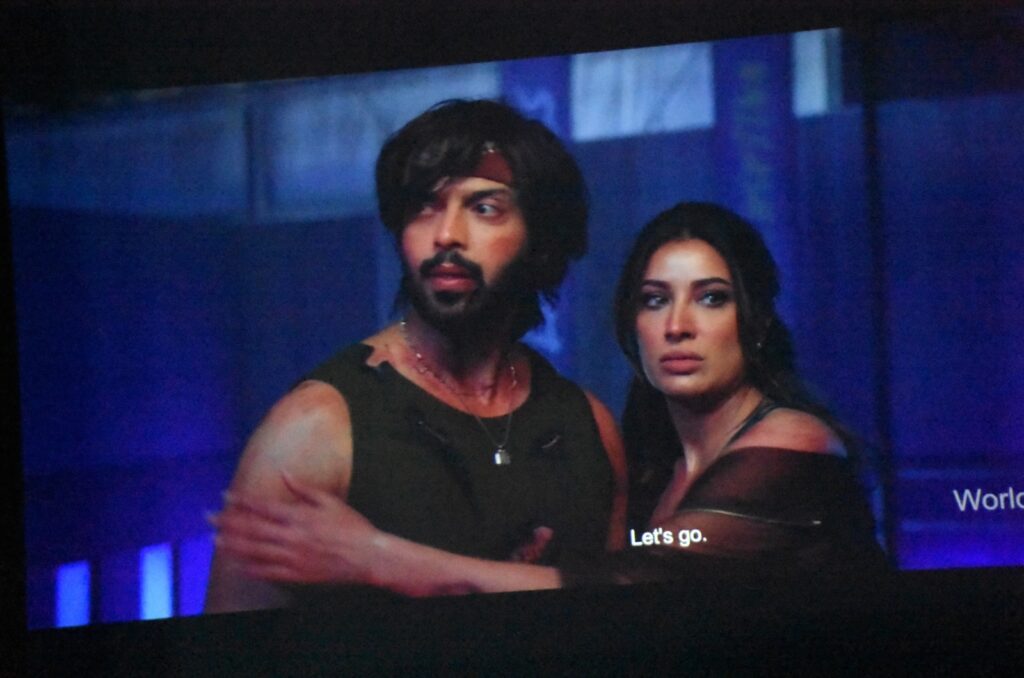
The festival programme also included a screening of the Pakistani film Zombied. The screening attracted a large number of film enthusiasts, who attended the presentation as part of the day’s cultural activities.
‘Sounds of Sohni Dharti’ Celebrates Pakistan’s Musical Diversity
The third day concluded with two musical performances that brought international and Pakistani traditions to the stage.
The international group MTO Zendeh Delan presented Journey of Love – Leyla & Majnun, captivating the audience with its performance.
The evening’s live concert, Sounds of Sohni Dharti, celebrated Pakistan’s cultural and linguistic diversity through performances by artists representing different regions of the country.
The participating singers included Akhtar Chanal, representing Balochi music; Fazal Jutt, Punjabi; Bano Rehmat, Kashmiri; Nabeel Abbas, Saraiki; Maham Tahir, Urdu; Shahina Ali, Sindhi; and Basharat Khan Rubab, Pashto. The programme also featured a special folk music performance from Gilgit.
The artists brought together a range of regional languages, musical styles and cultural traditions, earning enthusiastic appreciation from the audience.
Through its international discussions, traditional art workshops, film screening and musical performances, the third day of the World Culture Festival continued the event’s focus on cultural exchange and bringing communities closer through the arts.