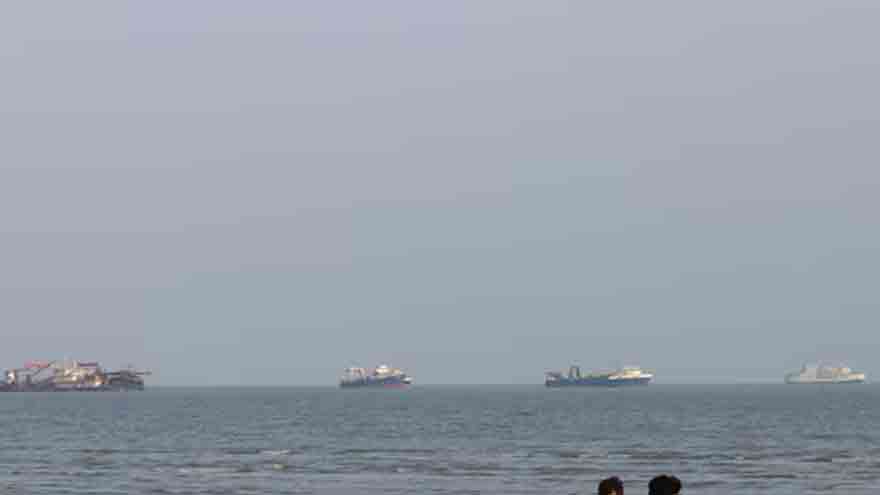
Iran’s offer to reopen the Strait of Hormuz within seven days remains on the table, Foreign Minister Abbas Araqchi said on Sunday, as Tehran and Washington remain divided over the terms for ending their eight-month conflict.
Speaking to Iranian media outlets in Baghdad, where he was attending a meeting of the Organisation of Islamic Cooperation, Araqchi said Iran was reviewing comments received from the United States but had not withdrawn its proposal.
“Our situation is clear and based on the seven-days proposal presented to the US,” Araqchi said. He added that if Washington approached the matter honestly, the path to reopening the strategic waterway would be clear.
Iran submitted its proposal in mid-September after an interim ceasefire collapsed. Tehran later acknowledged receiving a US response, but Iran’s security chief said last week that negotiations had stalled because Washington had not addressed all seven conditions for reopening the strait.
Iran Sets Conditions for Reopening Hormuz
Araqchi said Iran could reopen the Strait of Hormuz within six days if the United States accepted Tehran’s conditions, with negotiations resuming the following day.
NCCIA Arrests 1,129 Suspects, Recovers Rs105.3 Million in Nationwide Crackdown
The conditions include lifting the US blockade on Iranian ports, removing sanctions on Iran’s oil exports and ending hostilities across all regional fronts.
Tehran has argued that negotiations should initially focus on restoring security and reopening the Strait of Hormuz before addressing other contentious issues.
The proposal comes amid continuing tensions over access to the waterway, a critical route for international energy supplies.
Nuclear Dispute Remains a Major Obstacle
A central point of disagreement is Washington’s insistence on addressing Iran’s nuclear programme from the outset of negotiations.
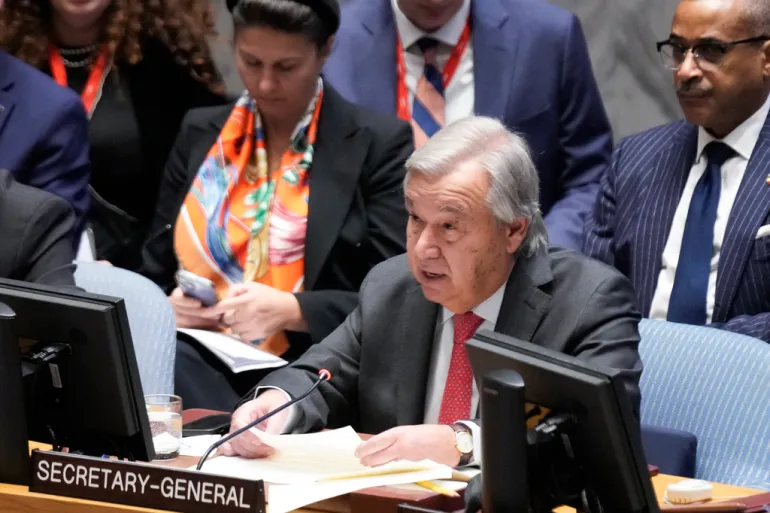
US Vice President JD Vance said earlier this month that Iran must make a “meaningful” reduction in its uranium enrichment capacity to meet US demands and bring the conflict to an end.
Tehran, however, wants the initial negotiations to concentrate on reopening the strait and restoring safe navigation. The opposing priorities have complicated efforts to reach an agreement.
Global Energy Trade at Stake
Before the war, the Strait of Hormuz carried about one-fifth of global oil and liquefied natural gas (LNG) trade, making it one of the world’s most strategically important maritime routes.
Any agreement that restores normal shipping through the waterway could have significant implications for global energy supplies and international markets.
For now, Iran says its proposal remains available for consideration, but a reopening timeline depends on Washington accepting Tehran’s conditions. The two sides have yet to resolve their differences over sanctions, regional hostilities and Iran’s nuclear programme.