
Digital artists, content creators and influencers have urged the government to review the tax regime on earnings from social-media platforms.
They said a more balanced framework could encourage digital entrepreneurship and support Pakistan’s creative economy.
Creators argued that social-media earnings depend on more than views and subscriber numbers. Audience location, advertising demand and platform policies can significantly affect revenue.
Production costs and content type also influence earnings. They said taxation based mainly on gross receipts can create pressure for creators with high operating costs or irregular income.
FBR Tax Regime
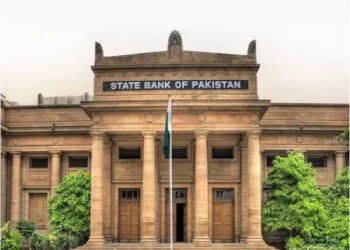
The Federal Board of Revenue (FBR) has introduced a withholding-tax mechanism for income received by digital content creators and social-media influencers.
The regime covers earnings from platforms including YouTube, Facebook, Instagram and TikTok.
Andrew Garfield Open to Returning as Spider-Man for the Right Story
Under Section 154B of the Income Tax Ordinance, 2001, banks and non-banking financial institutions must deduct tax when covered revenues are credited or received.
FBR has described the measure as part of efforts to bring digital income into the formal tax system.
The tax authority has also introduced a mechanism for calculating income from remunerative social-media content.
Under the notified framework, taxpayers can claim expenses of up to 30% of total revenue in the specified calculation of income.
FBR notified the relevant procedures through SRO 642(I)/2026 and SRO 1641(I)/2026 for residents and non-residents earning income through social-media platforms.
Creators Seek Greater Recognition of Costs
Sher Muhammad, also known as Sher Khumber, said taxation should not become a barrier to the growth of Pakistan’s content-creation industry.
Muhammad is a music-industry entrepreneur and digital music and rights specialist. He said artists increasingly use international platforms to build audiences and monetise their work.
He also highlighted the growing impact of artificial intelligence on artists’ revenue streams.
According to Muhammad, Pakistani artists face challenges because comprehensive digital-rights protection remains limited. Additional taxation could further reduce their earnings, he said.
He said Pakistani poetry, music and other cultural content were gaining international attention through social media.
However, many artists lack the technical skills and resources needed to maximise digital revenues, he added.
Muhammad urged the government to consider a tax framework that recognises the costs involved in producing and monetising digital content.
He also said lower tax burdens could help artists establish digital studios and promote Pakistani music and culture through online platforms.
Industry Calls for Flexible Expense Rules
Dr Noman Ahmed Said, CEO of SI Global Solutions, said content creators should contribute to Pakistan’s tax base.
However, he said the system should account for production costs and irregular income.
Said also called for a review of the 30% expense ceiling in FBR’s special procedure for remunerative social-media content.
He said withholding tax could create a significant burden for creators operating on narrow margins.
“Pakistan should recognise documented business costs, simplify compliance and consider targeted relief for emerging creators,” Said said.
He cautioned that excessive taxation could affect investment and employment in the digital economy.
He also said the impact on foreign-exchange earnings could not be reliably measured without better sector data.
“Neither the nationwide tax revenue gain nor the potential economic loss can responsibly be quantified without reliable sector data,” Said said.
He urged FBR to consult creators and other stakeholders before making further changes.
Digital Economy Faces New Challenges
Pakistan is seeking to expand its formal tax base as more businesses and individuals earn income through international digital platforms.
The growth of social media has created new opportunities for artists, influencers and other independent creators.
However, the sector remains difficult to measure. Creator earnings vary widely based on audience size, location, content type and commercial arrangements.
Many creators also earn through sponsorships, brand partnerships and other sources outside platform advertising.
Industry representatives say clearer rules could help bring more of this income into the formal economy without discouraging new creators.
The government, meanwhile, is also using technology to strengthen tax compliance.
FBR has established a Lifestyle Monitoring Cell that uses artificial intelligence and social-media intelligence to identify potential discrepancies between publicly visible lifestyles and declared income and assets.
The debate over creator taxation comes as Pakistan seeks to expand digital exports and formalise income generated through the growing online economy.