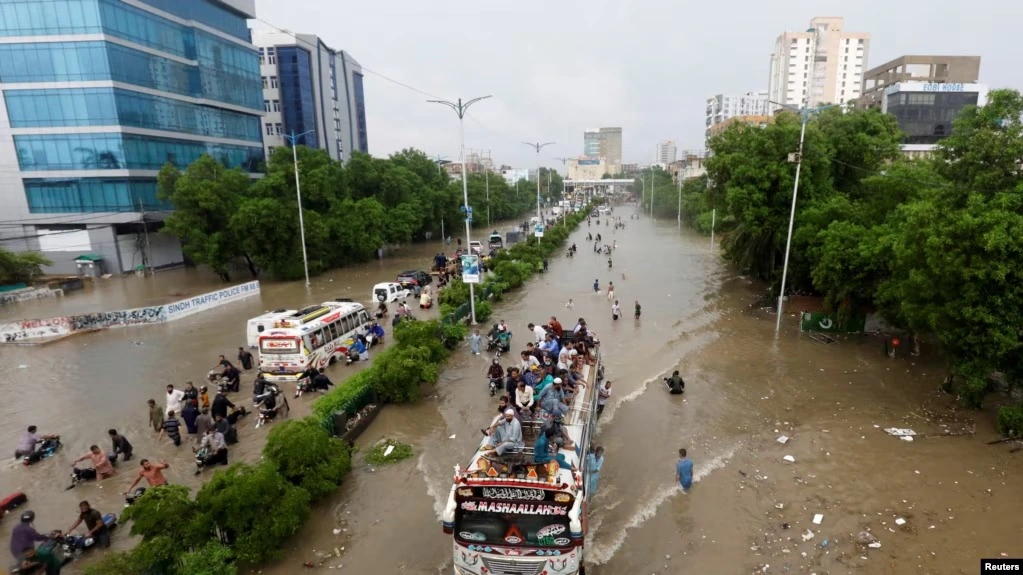

Karachi’s unusually dry September 2026 reflects the complex interaction of monsoon circulation, atmospheric pressure, Arabian Sea moisture and natural climate variability. According to the Pakistan Meteorological Department, weakened moist currents from the Arabian Sea contributed to the city’s dry conditions.
Climate change is also increasing the risks of irregular rainfall, droughts, floods, heatwaves and water stress. Pakistan’s National Climate Change Policy 2021 and National Adaptation Plan 2023 emphasise the need for stronger urban resilience and disaster-risk management.
Karachi faces both extremes: prolonged dry spells and sudden intense rainfall. According to recent research, rapid urbanisation and the loss of natural drainage channels have increased the city’s flood vulnerability. Studies also highlight the importance of improved drainage, rainwater harvesting, groundwater recharge and reliable early-warning systems.
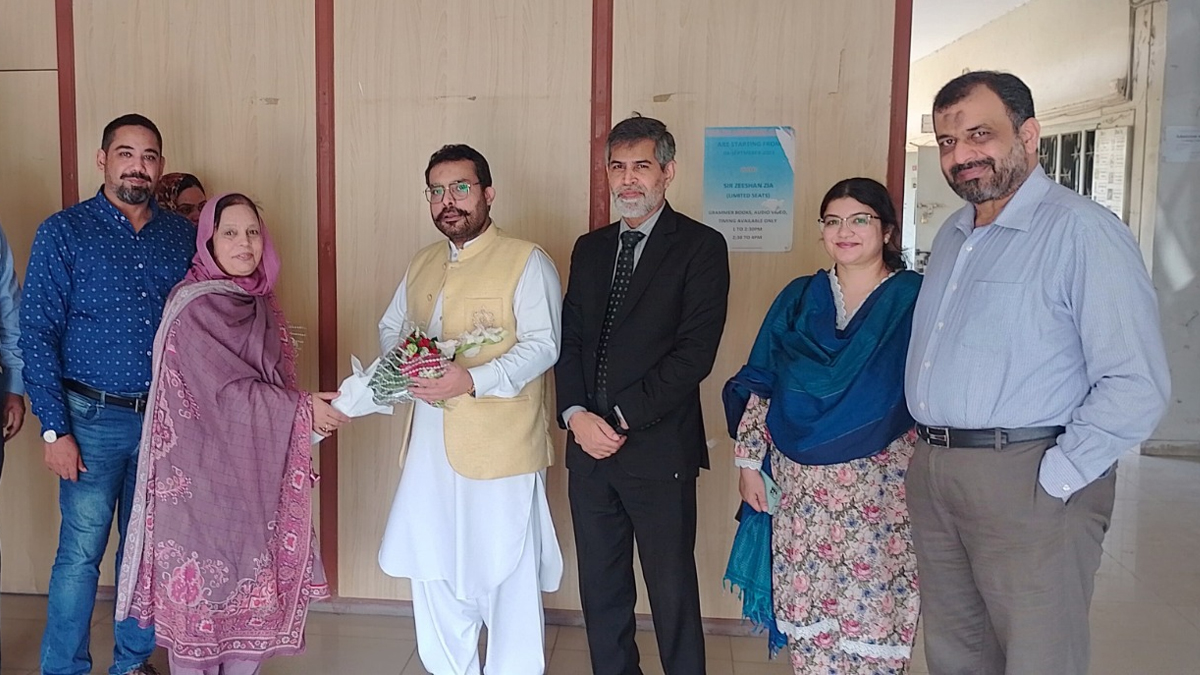
World Maritime Day 2026 Commemorated in Karachi
Karachi therefore needs stronger climate monitoring, protection of wetlands and natural waterways, and climate-resilient urban planning. The policy framework already exists; the priority now is effective implementation at the city
level.About the Author
Dr. Nazia Sher, Research Associate
National Institute of Maritime Affairs (NIMA), Bahria University, Karachi