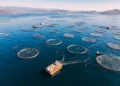
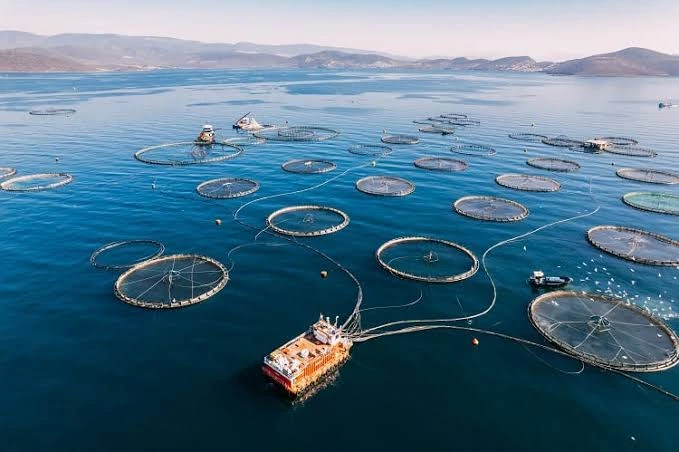

The world’s population continues to grow and one of humanity’s biggest problems is ensuring a sufficient quantity of food is available without wiping out planet resources. Aquaculture is one of the many solutions being considered to help meet the global demand for seafood. Sustainable methods are needed however, to enable fish farming to expand in the future without further stress on the environment. The focus of this transformation is on fish nutrition, which is increasingly playing a crucial role in the sustainability of the aquaculture industry.
Aquaculture is a major fast-developing food system in the world. This sector is an important source of high-quality protein and essential nutrients for millions of people. The production of aquatic animals in aquaculture is estimated to be the highest ever, indicating the critical role of the aquaculture sector in meeting the world’s growing demand for aquatic products. Increasingly, fish are being farmed rather than caught in the wild as many communities around the world depend on farmed fish to meet their aquatic food requirements. However, there are also new challenges arising as the fast growth occurs. Improved fish production and reduced resource use while minimizing environmental impact are needed for the future of aquaculture. This will require improvements in the farming system and technology and most importantly fish feed.
Truth Is Always Helpful And Lies Lead To One’s Downfall
Feed is one of the key factors in aquaculture, as it has a direct impact on fish production, environmental impact, health and growth. Fishmeal and fish oil from wild-caught fish have been known for many years to be the most valuable ingredients in fish feeds for aquaculture. They provided good quality proteins, essential amino acids and omega-3 fatty acid which are essential for healthy fish growth.
However, the demands are increasing marine resources are becoming scarce and dependence on fish meal is increasing which is driving the necessity to find alternatives to fish meal in feed for fish production.Now, the aquaculture sector is researching several sustainable options such as plant proteins, animal by-products, insect proteins, algae proteins and microbial proteins. These alternatives aim to provide the same nutritional benefits to humans, but be less harmful to marine ecosystems. Thus, soy bean meal and sun flower seeds meal was used as plant-based feeds in aquaculture diets till date as it is easily available and less expensive than animal feed. Their nutritional value has been improved, and they are more suitable for fish farming, due to the use of new processing technologies.
However, there are issues as some parts of the plant may not contain all the nutrients that the fish body needs and it may also contain anti-nutrients which block digestion and absorption of nutrients.A potential use is the use of Microalgae. These tiny aquatic creatures contain a lot of proteins, antioxidants and essential fatty acids such as EPA and DHA, which are essential for the nutrition of fish. Microalgae-based feeds have been found to be beneficial for the growth promotion, strengthen immunity and improvement of nutritional quality of farmed fish products. In addition, algae, microbial based ingredients are being investigated that are made from bacteria, fungi and yeast. The use of these resources could be a viable source of protein to be produced through innovative biotechnology systems, and a means to valorize waste materials to valuable products.
As well as new feed ingredients, optimization of feeding techniques is also going to be an important factor in the future of sustainable aquaculture. Precision nutrition, or designing the diet for the fish species, growth stages, environment and health needs is also emphasized. This can help to boost feed efficiency and minimize waste. The costs and environmental problems may be caused by inadequate feeding practices, since unused feed may lead to extra nutrient pollution in water bodies. Optimization of feed management by the farmers will help to optimize fish production that will help to minimize the environmental impact of fish farming.
The role of modern technologies is expected to be one of the key ones in this transformation. Farmers can gain insights into fish behavior, fine-tune feeding routines, and boost production with the help of AI, digital monitoring, automation, and data-driven management tools. These technologies have the potential to revolutionize the aquaculture industry, making it more efficient, profitable, and environmentally friendly. Increased food production in the future will be crucial to global food security and must be achieved without further damaging natural resources. If aquaculture aims to be sustainable, it can make a big difference in reaching this goal. One such most important step to achieve this balance is the formulation of innovative fish feeds. With responsible marine ingredients, alternative proteins, better nutrition science and cutting-edge technology, a more robust and sustainable aquaculture industry can be developed.
The challenge ahead is not just to increase fish production but to fish smarter and responsibly. Aquaculture, built on innovation and collaboration can help meet global nutrition demands and safeguard the oceans and their ecosystems.
About the Author:
Dr. Mushaiyada Mairaj is a Marine Biologist and Research Fellow at the National Institute of Maritime Affairs (NIMA), with expertise in marine conservation, biodiversity and sustainable maritime development. Her peer-reviewed research on marine ecosystems and environmental challenges is available on academic platforms. She also writes op-eds and articles for Pakistani newspapers on maritime affairs, environmental sustainability, coastal ecosystems, green shipping and Pakistan’s blue economy.