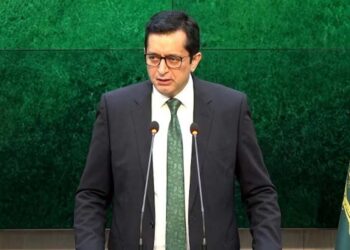
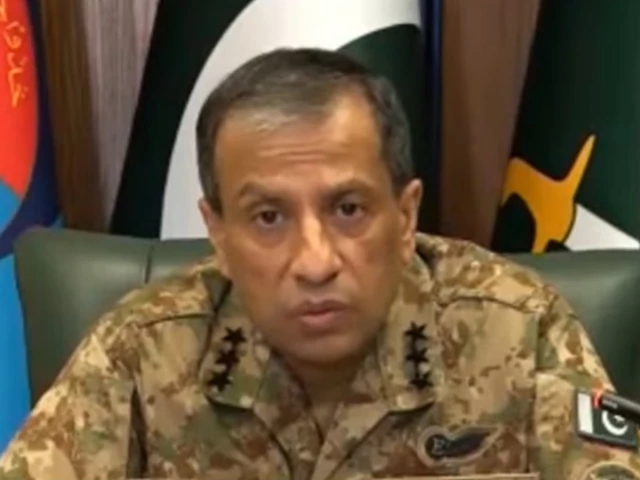
Pakistan will take whatever measures are required to defend Saudi Arabia against aggression, DG ISPR Lt Gen Ahmed Sharif Chaudhry said, reaffirming Islamabad’s unconditional commitment to the Kingdom’s security.
Speaking to Arab News on Thursday, Lt Gen Chaudhry said Pakistan would go “to any extent” required to protect Saudi Arabia and the Haramain Sharifain.
He said Pakistan stood firmly with Saudi Arabia through both diplomatic and physical support.
“We will go to any extent for the security of Haramain Sharifain and the Kingdom of Saudi Arabia,” he said, adding that Pakistan would respond as requested and required by the Saudi leadership.
The DG ISPR said there should be no doubt about Pakistan’s commitment to the Kingdom.
“We are there and we will continue to defend Kingdom of Saudi Arabia against any aggression,” he said.
Pakistan Backs Diplomatic Efforts
Lt Gen Chaudhry also highlighted Pakistan’s diplomatic efforts to help prevent the regional crisis from escalating.
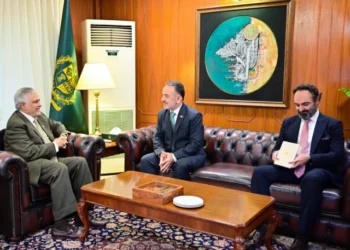
Dar Calls for Closer Pakistan-Türkiye Coordination Ahead of Strategic Council
He said Pakistan was working with regional countries and other partners to seek a peaceful and negotiated solution.
Pakistan’s political and military leadership also remains in regular contact with Saudi authorities, he added.
He linked Pakistan’s commitment to the existing defence arrangements between the two countries, including the Makkah Defence Agreement and the Strategic Mutual Defence Agreement.
The DG ISPR described Pakistan’s commitment to Saudi security as unconditional. He attributed the relationship to deep historical ties between the people and leadership of both countries.
When asked whether his statement that Pakistan was “there” meant Pakistani forces were physically present in Saudi Arabia, Lt Gen Chaudhry said the statement should be understood in its full context.
Foreign Office Clarifies Defence Pact
Foreign Office spokesperson Sajjad Haider Khan separately said Pakistan remained committed to the Strategic Mutual Defence Agreement and the Makkah Joint Defence Agreement “in intent and spirit”.
He said decisions about the use of force remained an operational matter.
“When, how, where, and what force will be used against which objectives” would involve operational considerations and confidentiality, he said.
The spokesperson stressed that the Makkah agreement was defensive in nature. He said it was not directed against any country and did not create a new military bloc.
According to the Foreign Office, the agreement aims to strengthen existing defence cooperation through training, capacity building, defence technology and research, as well as collective deterrence.
Pakistan Pushes for Regional De-escalation
Pakistan has continued diplomatic efforts to prevent the Gulf crisis from widening.
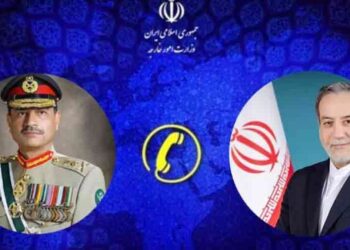
Field Marshal Asim Munir spoke by telephone with Iranian Foreign Minister Abbas Araghchi on Wednesday. He urged Tehran to use its influence with the Houthis to stop attacks targeting Saudi energy and economic infrastructure.
Prime Minister Shehbaz Sharif also spoke with Saudi Crown Prince Mohammed bin Salman on September 13. He reaffirmed Pakistan’s solidarity with Saudi Arabia and support for efforts to reduce tensions.
Islamabad has also maintained contact with regional partners involved in mediation efforts.
Islamabad Seeks Action From Kabul
The Foreign Office also discussed Pakistan’s relations with Afghanistan.
Sajjad Haider Khan said Türkiye and Qatar had previously played constructive roles in mediation between Pakistan and Afghanistan. China has also brought the three sides together through the Urumqi process.
Pakistan remains focused on securing assurances from Kabul that militant groups operating from Afghan territory will not launch attacks against Pakistan.
The spokesperson said Islamabad remained willing to resolve differences through dialogue and diplomacy.
He added that Pakistan was prepared to reopen border crossings, restore transit trade and support Afghanistan’s role as a regional connectivity hub if Kabul takes “decisive and verifiable action” against anti-Pakistan militant groups.
Pakistan has previously engaged Afghanistan through Qatar, Türkiye and China. The spokesperson said those efforts had not produced the desired outcome because Islamabad had not received assurances regarding militant activity.
He added that China and Central Asian countries also had concerns about security conditions linked to militant activity in Afghanistan.
Shehbaz to Address UN General Assembly
The Foreign Office spokesperson also confirmed that Prime Minister Shehbaz Sharif will lead Pakistan’s delegation to the high-level segment of the 81st UN General Assembly in New York.
Deputy Prime Minister Ishaq Dar and other federal ministers will accompany him.
According to the spokesperson, Shehbaz will present Pakistan’s position on regional and global developments and highlight priorities involving counter-terrorism, Islamophobia, Kashmir and Palestine.
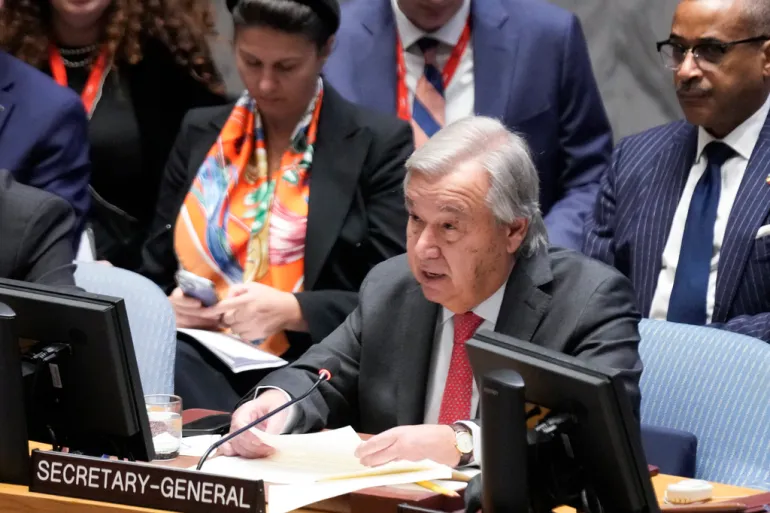
He is also expected to hold bilateral meetings with world leaders and the UN secretary-general.
Pakistan Rejects India’s Kashmir Claims
The Foreign Office also rejected India’s objections concerning the 1963 Boundary Agreement and the Joint Commission.
The spokesperson described Jammu and Kashmir as an internationally disputed territory and reiterated Pakistan’s position that its final status should be determined in accordance with relevant UN Security Council resolutions.
He also urged India to reconsider its unilateral decisions of August 5, 2019.
The Foreign Office further said Pakistan had summoned the Indian Chargé d’Affaires over what it described as an aggressive manoeuvre and contact involving an Indian naval vessel in Pakistan’s exclusive economic zone on September 15.
A diplomatic demarche was also expected to be issued through Pakistan’s High Commission in New Delhi.
Pakistan Highlights Religious Pilgrim Access
The spokesperson also highlighted Pakistan’s continued issuance of visas to Indian Sikh pilgrims.
He said Pakistan issued more than 2,800 visas for Vaisakhi in April, over 700 for Guru Arjan Dev’s martyrdom anniversary and 438 for the death anniversary of Maharaja Ranjit Singh in June.
Pakistan, he added, was prepared to welcome Sikh pilgrims for the upcoming Vaisakhi festival.
He also noted that India’s Chargé d’Affaires had participated in the SCO-RATS council meeting held earlier in the week.
Pakistan hopes Indian participation in the Shanghai Cooperation Organisation will continue as Islamabad prepares to host the SCO Heads of State summit next year.
The Foreign Office said Pakistan’s security and defence cooperation with Saudi Arabia and Türkiye was well established.
It described the Makkah pact as an agreement that formalises and strengthens existing cooperation.
The spokesperson reiterated that the agreement is defensive, is not directed against any country and does not formally create a new bloc.