Australian firefighters are preparing for an increased wildfire risk as temperatures rise across the southern hemisphere, following a severe fire season in parts of Europe.
Australia is experiencing a strong El Niño weather pattern, which typically brings hotter and drier conditions and can increase the risk of bushfires.
Trent Curtin, head of the New South Wales Rural Fire Service, said authorities were concerned that fire danger could be higher this year than in previous seasons. The service is the world’s largest volunteer firefighting organisation.
“We’re concerned this year that we’ll see increased fire risk,” Curtin said.
He pointed to the extreme conditions experienced in the northern hemisphere, where large areas of Europe endured unusually hot summers that dried out vegetation and contributed to severe wildfires.
Adiala Jail Prisoners Seek Same Medical Facilities as Imran Khan
Britain recorded its hottest summer since records began, while Italy experienced its warmest summer in 75 years.
“We’re seeing some extraordinary conditions in the northern hemisphere at the moment,” Curtin said, adding that some areas had experienced fires not seen for decades or, in some cases, ever before.
Australia has extensive experience dealing with bushfires, including the devastating 2019-20 Black Summer fires. The blazes destroyed an area roughly the size of Turkey and killed 33 people.
Authorities regularly carry out hazard-reduction burns, deliberately setting controlled fires to remove vegetation and reduce the potential spread of larger wildfires.
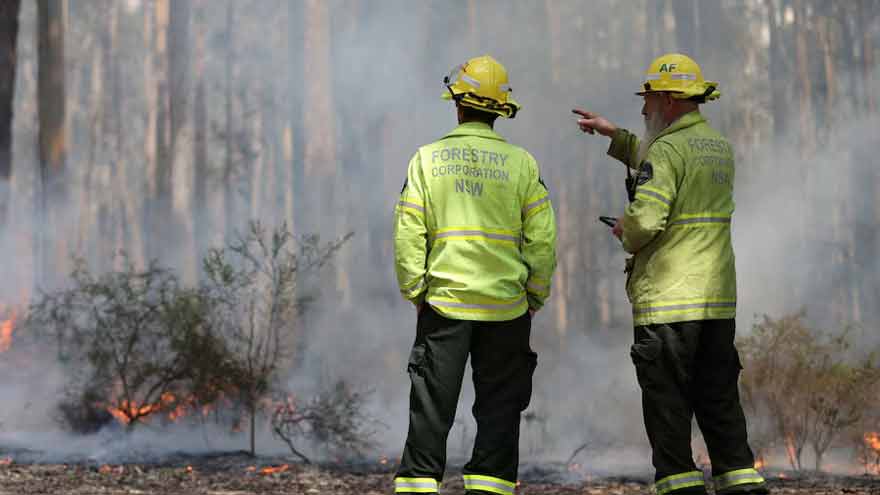
Alex Capararo, a sector commander with the Forestry Corporation of New South Wales, said crews were monitoring conditions closely but had not reached a state of alarm.
“We’re alert but not alarmed,” he said while overseeing a hazard-reduction burn around three hours north of Sydney.
Capararo said the seasonal outlook pointed to a busier-than-usual fire season, with conditions expected to remain hot and dry.
According to Australia’s Bureau of Meteorology, the peak fire danger season generally begins around mid-October in northern New South Wales and in December in the southern parts of the state.