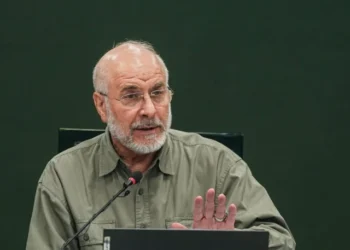
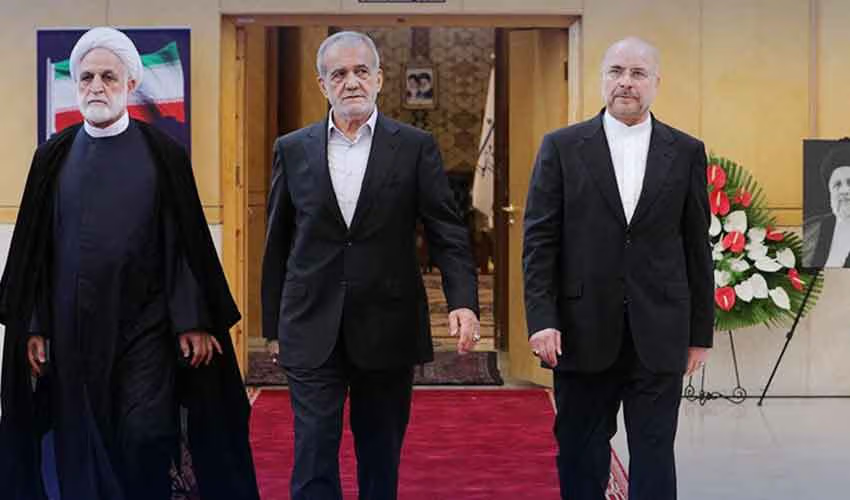
Iran War ended with Tehran achieving what Parliament Speaker Mohammad Bagher Ghalibaf described as a “genuine” and “complete” victory over the United States and Israel.
Speaking to reporters at Iran’s parliament, Ghalibaf said Washington and Israel entered the conflict with nine publicly declared objectives. He claimed neither side achieved any of them.
“I say with complete conviction that we won this war, both militarily and politically,” Ghalibaf said.
He clarified that his statement did not mean Iran had destroyed the US or Israeli armed forces. Instead, he argued that Tehran prevailed because its opponents failed to accomplish their stated goals.
Ghalibaf called the outcome the “biggest and most complete defeat” for the United States and Israel.
Rotary Karachi Walk Raises Awareness on Mouth Cancer, Polio and Drug Abuse
Iran highlights military resistance
Ghalibaf said the scale of military force used against Iran exceeded that deployed during the Vietnam War. Despite the intensity of the conflict, he said Iranians remained united in defending their country.
He praised Iran’s armed forces and people from different religious, ethnic and social backgrounds for maintaining what he described as national unity.
Ghalibaf also highlighted the role of the “resistance front” and paid tribute to those killed during the conflict. He praised Supreme Leader Ayatollah Seyyed Ali Khamenei for his leadership during the confrontation.
The parliament speaker also urged Iranian media to explain the country’s claimed achievements to the public. He said media organisations should help citizens understand what he described as Iran’s “glorious victory.”
At the same time, Ghalibaf called for stronger defence capabilities. He said Iran must build an effective deterrent force to reduce the risk of another war.
Ghalibaf points to diplomatic gains
Ghalibaf also cited negotiations with the United States as evidence of Iran’s political success.
He said an initial US draft had demanded that Iran abandon its missile and nuclear programmes. According to Ghalibaf, the final memorandum instead included recognition of the “resistance front.”
He described the agreement as a “document of pride and victory” and said it reflected what Tehran regarded as gains achieved through diplomacy.
However, Ghalibaf acknowledged that many Iranians did not view the conflict as a victory. He attributed this partly to shortcomings in communicating the government’s assessment of the outcome.
Pezeshkian defends agreement
President Masoud Pezeshkian separately defended the peace memorandum with the United States.
Speaking at a meeting attended by Education Minister Alireza Kazemi, Pezeshkian said Iran reached the agreement with “dignity” and “power.”
He said Tehran followed principles outlined by former Supreme Leader Ali Khamenei during the negotiations.
“We pursued the recent agreement with strength and did not surrender to our enemies,” Pezeshkian said, according to a statement from his office.
Pezeshkian said officials drafted the memorandum after extensive discussions, expert consultations and careful consideration.
The memorandum was signed on June 18 with the stated goal of ending the conflict in the region.
Tehran promotes victory narrative
Ghalibaf and Pezeshkian have both presented the agreement as a diplomatic achievement rather than a concession.
Ghalibaf said the memorandum demonstrated Iran’s success on the diplomatic front. Pezeshkian likewise stressed that Tehran negotiated from a position of strength.
Their statements reflect Iran’s broader effort to frame the conflict around military resilience, national unity and diplomatic strength.
However, Tehran, Washington and Israel have offered different assessments of the conflict and its outcome. Ghalibaf’s argument centres on Iran’s claim that the US and Israel failed to achieve their nine declared objectives.
He also stressed the need for stronger defensive capabilities to prevent another confrontation.