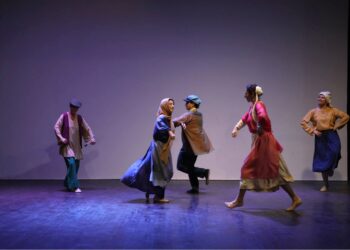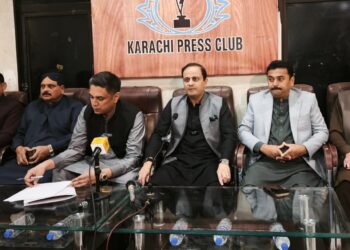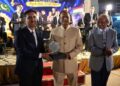
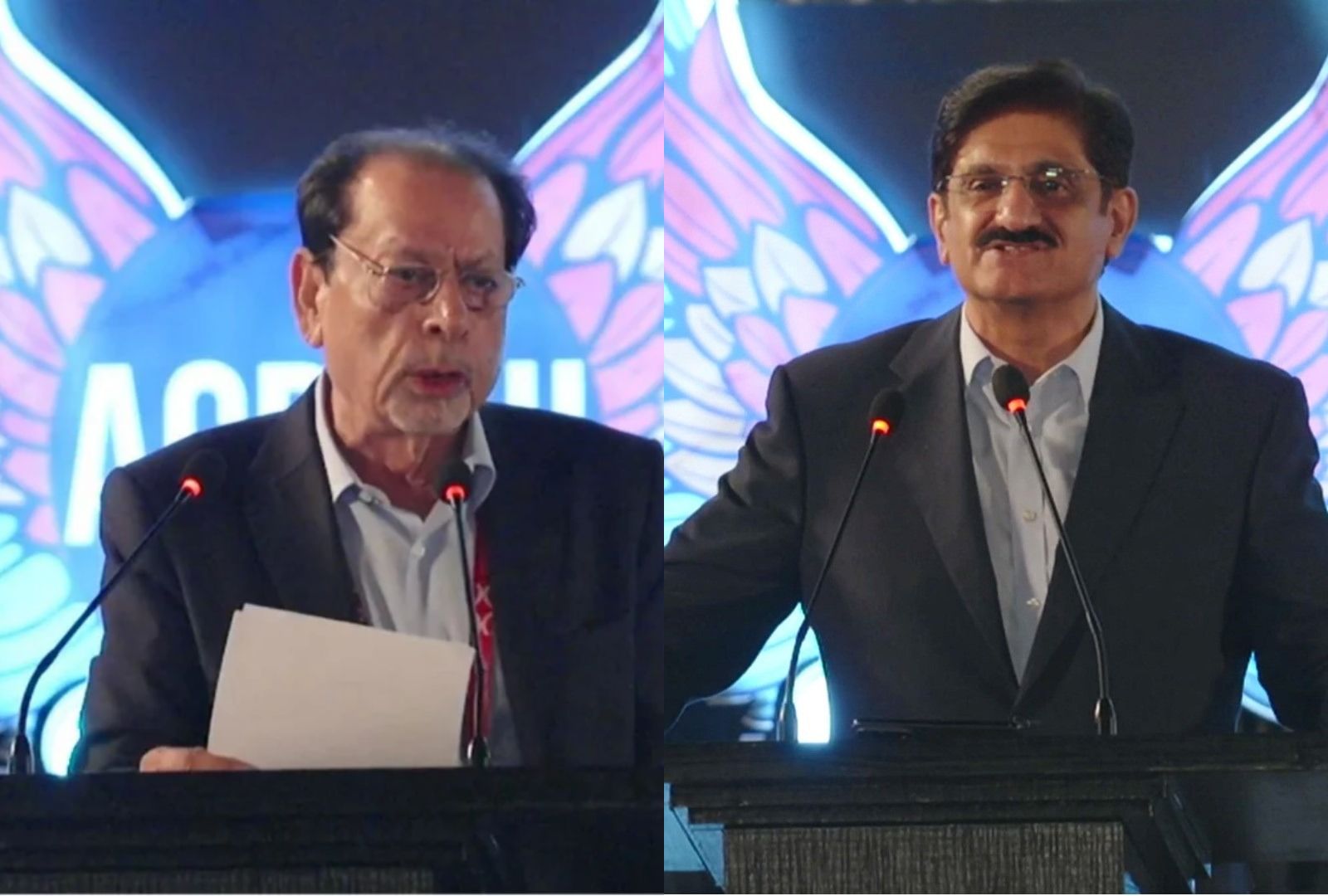
The 25-day Third World Culture Festival Karachi 2026 concluded with a spectacular closing ceremony at YMCA Ground, featuring performances by renowned Pakistani singers Sajjad Ali and Sahir Ali Bagga, Ustad Noor Bakhsh and a host of local and international artists.
Sindh Chief Minister Syed Murad Ali Shah attended the ceremony as chief guest. Arts Council of Pakistan Karachi President Muhammad Ahmed Shah, Sindh Minister for Culture and Tourism Syed Zulfiqar Ali Shah, ambassadors based in Karachi and Islamabad, diplomats and other prominent personalities also attended the event.
The ceremony opened with the recitation of the Holy Quran, followed by the national anthem, performed jointly by Pakistani and international artists.
Addressing the gathering, Chief Minister Murad Ali Shah said the festival had transformed Karachi into a vibrant centre of diverse cultures, ideas and creative expression. He said the event had conveyed a powerful message that peace transcended borders and humanity shared a universal language.
Congratulating Muhammad Ahmed Shah, the Arts Council Governing Body and the organising team, the chief minister said more than 1,000 international artists from over 150 countries and more than 500 Pakistani artists had participated in the festival. He said the event had strengthened Pakistan’s presence on the global cultural stage.
Murad Ali Shah said the festival’s greatest achievement was its ability to build bridges of friendship, dialogue and understanding among nations. He also praised Ahmed Shah’s leadership and dedication in establishing the Arts Council as an internationally recognised cultural platform.
Emphasising the importance of culture, the chief minister said a society without art and culture lacked spirit. Supporting artists, writers, poets and intellectuals, he added, was an investment in society’s intellectual, moral and spiritual well-being.
Sindh Government Urges Students to Prepare for AI-Driven Future Through Science and Innovation
He described Sindh as a land of Sufis, poets and humanists, recalling the contributions of Lal Shahbaz Qalandar, Abdullah Shah Ghazi, Shah Abdul Latif Bhittai, Sachal Sarmast and Sheikh Ayaz in spreading messages of love, tolerance, peace and humanity.
The chief minister said art could bring people together regardless of geographical, linguistic or national differences. At a time when the world faced conflict and intolerance, he said, cultural events played an important role in promoting mutual respect, empathy and peaceful coexistence.
He added that the festival had introduced international guests to Pakistan’s rich cultural heritage, artistic talent and hospitality, while giving Pakistani artists opportunities to present their work internationally and establish global connections. Such exchanges also supported stronger international relations and the growth of creative industries.
Murad Ali Shah reaffirmed the Sindh government’s commitment to supporting cultural institutions, preserving the province’s heritage, creating opportunities for artists and encouraging international cultural exchanges.
He urged visiting artists to return home with positive memories of Pakistan and share the country’s hospitality, culture and message of peace. In a lighter moment, he said he was certain Muhammad Ahmed Shah had already started preparing for the next festival and expected the forthcoming edition to be even bigger.
Concluding his speech, the chief minister said the festival’s success would be measured by the friendships and connections it had created among nations. He said Sindh would continue to promote love, tolerance and peace, while Karachi would always welcome the world with open arms. He ended his address with the slogan, “Pakistan Zindabad.”
Speaking at the ceremony, Arts Council President Muhammad Ahmed Shah formally announced the successful conclusion of the festival and confirmed that the next edition would take place from October 28 to November 21, 2027.
He said artists from 153 countries had participated in the 25-day event, presenting more than 200 performances. He described the festival as a collective achievement made possible through the support of the Sindh government, ambassadors, diplomats and people across Karachi and Pakistan.
Ahmed Shah said the festival aimed to bring artists and cultures together and promote a world built on peace, harmony and mutual understanding. Referring to conflicts in the Middle East and Eastern Europe, he said the world needed to remember the values that united humanity.
He described artists as among society’s most sensitive voices, capable of inspiring hope and challenging divisions through creative expression. The Arts Council, he said, remained committed to bringing people closer through art and culture.
He stressed that cultural differences should be addressed through dialogue and diplomacy rather than war. He also acknowledged Pakistan’s diplomatic efforts to promote peace and encourage regional engagement, particularly involving the United States, Iran and Saudi Arabia.
The Arts Council president thanked Chief Minister Murad Ali Shah for supporting cultural activities in Sindh. He also acknowledged the cooperation of Sindh Chief Secretary Syed Asif Haider Shah, Culture Minister Syed Zulfiqar Ali Shah, Karachi Mayor Barrister Murtaza Wahab, the Sindh Inspector General of Police and Karachi Commissioner.
He extended special thanks to Irfan Soomro, Director General at the Ministry of Foreign Affairs, for facilitating the arrival of international artists.
Ahmed Shah said the festival featured a wide range of dance, music, theatre, meaningful films and visual arts. He also highlighted the creation of 12 murals on buildings across Karachi, noting that the city had no such murals until the previous year. He expressed hope that the next edition would offer an even bigger celebration of culture, creativity and international friendship.
The closing ceremony featured an international music ensemble comprising Elio Villafranca, Erin English and Caroline from the United States; Farah Baba Ami and Saleha from Algeria; Sahib Pashazadeh and Kamran Karimov from Azerbaijan; Tomas Rendl from the Czech Republic; and Andrea from Italy.
Pakistani musicians Ashraf Sharif Khan, Rahat Inayat, Shahid Khan, Nisar Baloch, Bushrat Badr and M. Saeed also performed, showcasing the country’s musical diversity.
Members of the Arts Council Music and Dance Alumni, including Arman Rahim, Mustafa Baloch, Muneeb Khan, Jambroz and Aliza, performed to the song “Main Karachi”. Shaina Ali entertained the audience with Sindhi folk music and dance, while Russia’s MD Pride group presented an engaging dance performance.
Sahir Ali Bagga captivated the crowd with his soulful singing, while the joint performance by Khumariyaan Band and Ustad Noor Bakhsh Baloch added another highlight to the evening. Local and international artists also joined in a dhamaal performance, which received an enthusiastic response.
The organisers subsequently presented awards to artists and individuals in recognition of their contributions. Legendary singer Sajjad Ali delivered the final musical performance, bringing the 25-day celebration to a memorable close.