Apple has officially added the iPhone X and 2018 15-inch MacBook Pro to its obsolete products list, ending standard hardware service support for two devices that marked important shifts in the company’s product history.
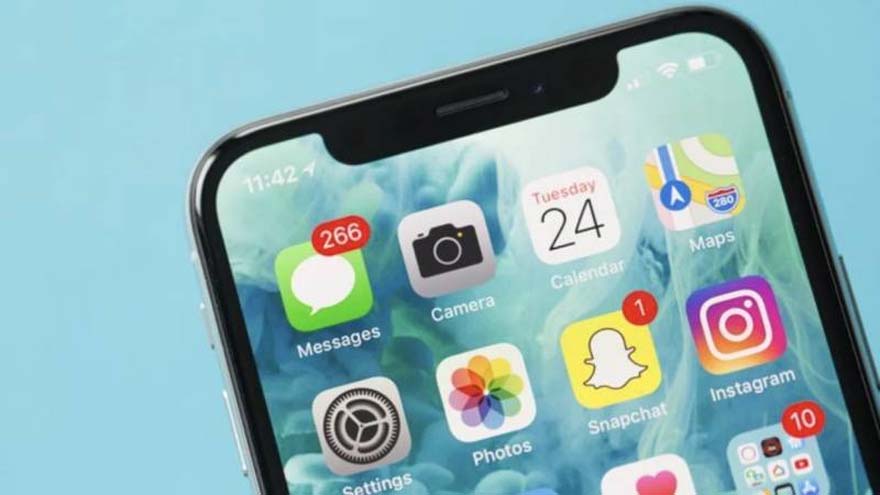
The iPhone X arrived in 2017 as the first iPhone with Apple’s now-familiar display notch. It replaced the traditional Home button with a nearly edge-to-edge screen and introduced a new front-facing camera and sensor design.
Apple’s obsolete classification means users can no longer receive hardware repairs for the iPhone X through Apple Stores or Apple Authorised Service Providers.
The nearly nine-year-old smartphone also cannot run the latest versions of iOS. As a result, users who still rely on the device face increasing pressure to upgrade.
Apple has also classified the 2018 15-inch MacBook Pro as obsolete. The laptop used an Intel processor and represented the final generation of Apple’s Mac lineup before the company began its transition to custom-designed chips.
Mars Mission Japan Prepares Phobos Sample Return as China Targets 2031
Apple introduced its first M1-powered MacBook Pro in 2020. Since then, the company has steadily moved its Mac lineup away from Intel processors.
iPhone X marks a major design chapter
The iPhone X’s addition to Apple’s obsolete list comes as the company prepares for further changes to its smartphone lineup.
Apple is widely expected to launch a foldable iPhone in 2026. Reports suggest the device could carry an iPhone Ultra designation and introduce another major change to the iPhone’s design.
Rumours also point to a possible iPhone 20 Pro with an all-glass design in 2027. Such a design could eventually reduce or eliminate the camera and sensor cutouts that have shaped recent iPhone models.
The iPhone X therefore closes an important chapter in Apple’s smartphone design history. At the same time, the company appears ready to introduce another significant transformation in the years ahead.