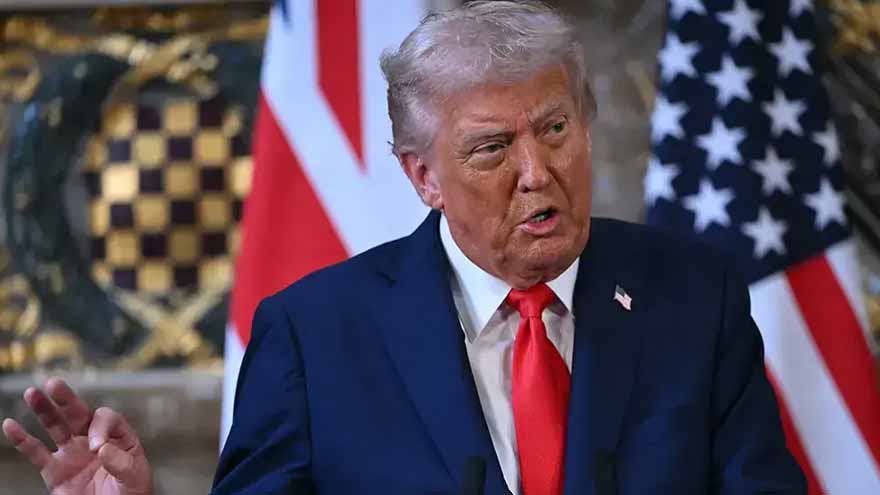
US-Iran Talks remain uncertain after U.S. President Donald Trump claimed negotiations with Tehran were under way, while Iran firmly denied holding or planning any discussions with Washington.
Sheikh Hasina Bangladesh Seeks India’s Position on Ex-PM’s Planned Virtual Address
Trump Claims Talks Are Under Way
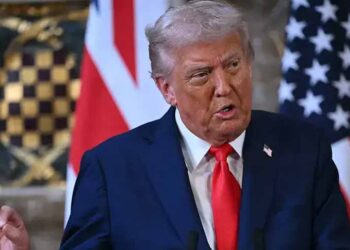
Speaking at the White House on Monday, Trump told reporters that discussions were taking place at the request of Iran and several regional countries, including Saudi Arabia, the United Arab Emirates and Qatar.
He described the negotiations as Iran’s “last chance” to reach an agreement and warned that Tehran should sign what he called a “good document” to end the five-month conflict.
Later, Trump wrote on Truth Social that Iran’s leadership had requested a meeting. He also claimed more talks would take place in the immediate future.
Iran Rejects Trump’s Claims
Iran quickly dismissed Trump’s remarks.
Foreign Ministry spokesman Esmail Baghaei said no negotiations with the United States were taking place and no meetings had been scheduled. He added that Tehran had no plans to send negotiators abroad or host any U.S. delegation.
Baghaei said the only ongoing discussions involved Oman and focused on managing the Strait of Hormuz. He also confirmed that Foreign Minister Abbas Araqchi was on a religious visit to Iraq.
A senior Iranian official also told Reuters that no talks were planned and that Araqchi would remain unavailable until at least the end of the week.
Strait of Hormuz Remains Central Dispute
The Strait of Hormuz continues to be the main point of disagreement between Washington and Tehran.
The United States says Iran should allow unrestricted access through the strategic waterway. However, Iran insists it retains authority over shipping traffic under the earlier memorandum of understanding.
Analysts say Tehran believes it can increase pressure on Washington by threatening regional shipping routes and global energy supplies.
Michael Knights of the Washington Institute said Iran’s strongest advantage lies in its ability to disrupt regional economies and global markets.
Markets React to Easing Tensions
Despite the conflicting statements, financial markets reacted positively.
Brent crude prices fell by about 7% to around $83.77 a barrel. Meanwhile, the Dow Jones Industrial Average closed at a record high as investors welcomed signs that tensions might ease.
However, the sharp differences between Washington and Tehran suggest that a diplomatic breakthrough remains unlikely in the near term.