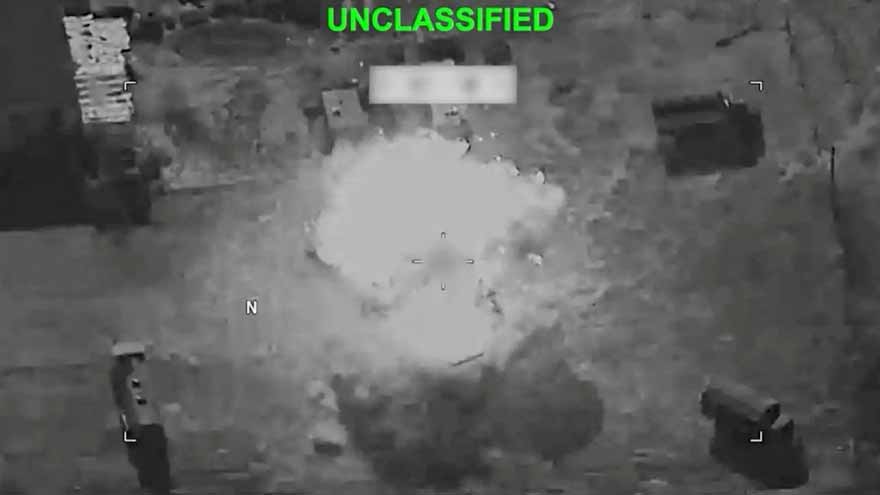
US-Iran Conflict intensified on Thursday after the United States launched what it described as a “heavy wave of strikes” against Iran. The operation came in response to Tehran’s missile attack on American military bases in Jordan.
Argentina Helicopter Crash Seven Killed in Firefighting Aircraft Accident
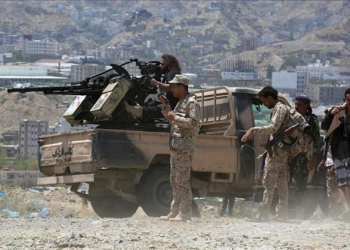
According to the US Central Command (CENTCOM), American forces struck dozens of Islamic Revolutionary Guard Corps (IRGC) targets, including military command centres. The military said the operation aimed to reduce threats to US forces, commercial shipping and Gulf allies.
Iran Reports Casualties and Damage
Meanwhile, Iran’s state media reported explosions in several locations across the southwestern province of Khuzestan and on Qeshm Island.
According to IRNA, the strikes hit areas around Abadan, Shadegan, Arvandkenar and Ahvaz.
Furthermore, the Fars News Agency reported that an airstrike on a residential home in Qeshm killed three members of the same family, including a two-year-old child. Two other children also suffered injuries.
Conflict Expands Across the Region
At the same time, the conflict spread beyond Iran.
The United States and Saudi Arabia carried out joint strikes against Iran-aligned militant positions in Iraq. In addition, Israel accused Hezbollah of violating a ceasefire by launching a drone toward an Israeli vehicle inside Lebanon.
Meanwhile, Saudi Arabia reported two consecutive days of drone attacks on its oil facilities. Riyadh blamed Iran-backed armed groups in Iraq for the attacks.
Jordan’s military also announced that it intercepted five Iranian missiles after the IRGC claimed responsibility for targeting US military bases inside the country.
Moreover, the IRGC declared that it would continue its operations as long as threats against Iran remained.
Iraq Condemns Airstrikes
Iraq’s Hashed al-Shaabi alliance said the US-Saudi strikes killed at least 20 of its members. The group described the attacks as a dangerous escalation.
In addition, Iraqi officials said five Iranian advisers were among those killed.
However, Iraq’s government condemned the military operation and rejected violations of its sovereignty. The Ministerial Council for National Security said authorities would prevent Iraqi territory from being used to threaten neighboring countries.
Hormuz Tensions Continue
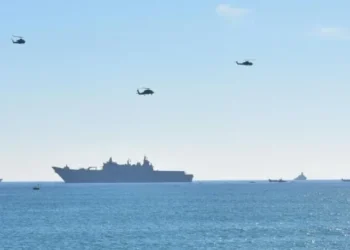
Meanwhile, tensions remained high in the Strait of Hormuz.
Iran’s Revolutionary Guards claimed they intercepted and stopped three tankers in the strategic waterway. Tehran also insisted it would maintain control over the route and introduce transit fees for commercial vessels.
However, the United States opposed the move and announced new sanctions targeting entities linked to the IRGC for allegedly extorting ships passing through the strait.
Peace Efforts Face Setback
The latest escalation came after nearly a week of reduced fighting that had raised hopes for renewed diplomacy.
However, the fresh military exchanges have weakened prospects for negotiations between Washington and Tehran.
Meanwhile, international observers continue to monitor developments as the conflict threatens regional stability and global energy supplies.