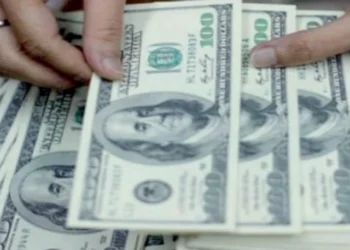
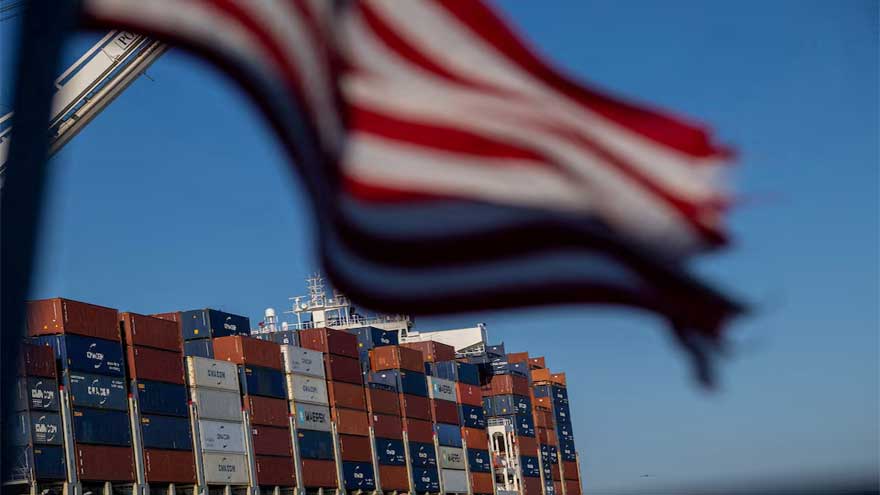
The Trump administration has imposed new tariffs on imports from 60 trading partners, including Pakistan, the European Union and China. The new duties took effect on Friday after a temporary 10% global tariff expired.
Gold prices fall by Rs4,600 per tola in Pakistan
New tariff policy takes effect
The White House announced tariffs of 10% and 12.5% through a Federal Register notice. The administration said the measures address concerns over weak enforcement of forced labour bans by trading partners.
The new tariffs cover about 99.4% of US imports. However, they exempt several products, including oil and gas, fertiliser, certain food items, aircraft, critical minerals and goods already subject to national security tariffs.
Legal basis for the tariffs
The administration imposed the duties under Section 301 of the Trade Act of 1974. Officials believe this approach is legally stronger after the US Supreme Court struck down Trump’s earlier reciprocal tariffs imposed under emergency powers.
The new tariffs replaced the temporary 10% global tariff immediately after it expired. Goods already in transit will remain exempt until July 28.
Pakistan among affected countries
Pakistan is among the countries facing a 10% tariff. Other countries in the same category include Canada, Britain, India, Indonesia, Malaysia, Mexico, Bangladesh and Sri Lanka.
Meanwhile, the European Union, Japan, South Korea, Taiwan and Switzerland received combined tariff rates of 10% or 12.5%. China and 37 other countries face a 12.5% tariff.
US cites forced labour concerns
US Trade Representative Jamieson Greer said Washington has enforced forced labour import bans for decades and expects its trading partners to adopt similar standards.
He added that the new measures aim to address both human rights concerns and unfair trade practices while improving conditions for workers.
Countries criticise the move
Several countries criticised the new tariffs soon after they took effect.
European Union foreign policy chief Kaja Kallas rejected Washington’s justification. She argued that European labour protections are stronger than those in the United States.
Australia, Brazil and Norway also opposed the decision and said they would seek its reversal. Canada described the tariffs as unilateral but pledged to continue talks with Washington.
Product exemptions remain
The administration excluded several categories from the new tariffs. These include oil and gas, fertiliser, selected food products, aircraft and parts, critical minerals, and goods covered under the US-Mexico-Canada Agreement.
Trade experts say the Section 301 tariffs are likely to withstand legal challenges because previous courts have upheld the law.