
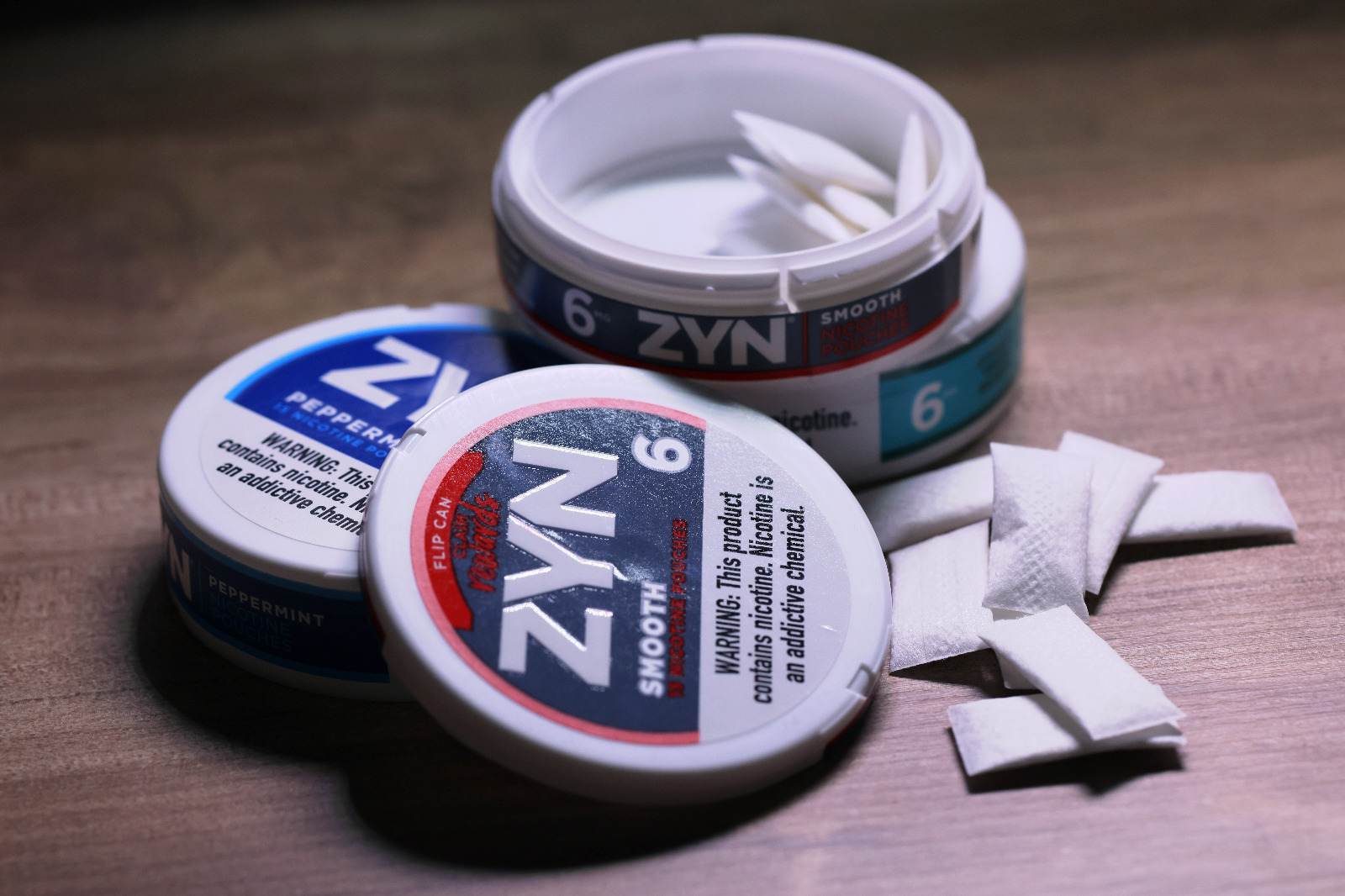
FDA Authorization has allowed Philip Morris International U.S. (PMI U.S.) to market 20 ZYN nicotine pouch products in the United States with a specific modified risk claim after an extensive scientific review by the U.S. Food and Drug Administration.
According to the FDA, the Modified Risk Tobacco Product (MRTP) orders apply only to the 20 reviewed ZYN nicotine pouch products. The authorization is limited to the United States and does not extend to other nicotine or tobacco products.
The FDA issued the orders after reviewing scientific evidence submitted by Swedish Match USA, Inc. Regulators assessed the products’ health risks, consumer understanding of the claim, youth-related data and their potential impact on public health.
Following the review, the FDA concluded that the modified risk claim is scientifically supported for the authorised products. The agency also found that consumers understand the claim and that marketing the products with the approved wording could benefit the overall population.
The products received marketing authorisation through the Premarket Tobacco Product Application (PMTA) pathway in January 2025. Now, the FDA has also permitted PMI U.S. to use the following modified risk claim in the U.S. market:
“Using ZYN instead of cigarettes puts you at a lower risk of mouth cancer, heart disease, lung cancer, stroke, emphysema, and chronic bronchitis.”
Meanwhile, Bret Koplow, Acting Director of the FDA’s Center for Tobacco Products, said the review process aims to provide adult tobacco users with clear, science-based information about the relative risks of tobacco products. He added that the decision allows the products to carry an FDA-authorised modified risk claim for adults who smoke.
Notably, the decision marks the first time the FDA has granted Modified Risk Tobacco Product (MRTP) orders for nicotine pouches.
Philip Morris International said the decision supports its long-term strategy to expand smoke-free alternatives for adults who would otherwise continue smoking. The company added that it has invested more than $16 billion in developing and researching smoke-free products since 2008.