A petition filed in the Lahore High Court argues that delays in implementing Article 202A have created unequal access to constitutional justice across Pakistan.
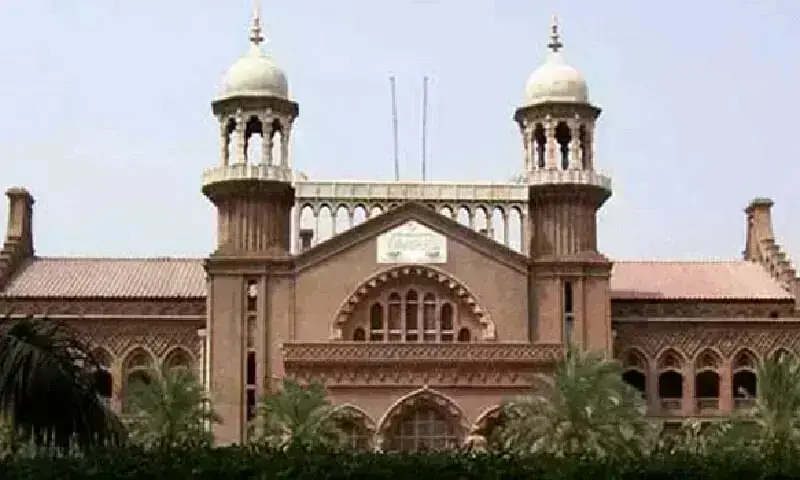
Article 202A has become the focus of a constitutional petition filed in the Lahore High Court, seeking the immediate establishment of constitutional benches in high courts across Pakistan.
The petition was filed by Azhar Siddique, chairman of the Judicial Activism Panel. It names the federation, the Law and Justice Commission of Pakistan, the National Judicial Policy-Making Committee (NJPMC) and several federal and provincial authorities as respondents.
According to the petition, the 26th Constitutional Amendment, enacted in 2024, requires high courts to establish constitutional benches under Article 202A. However, only the Sindh High Court has substantially implemented the constitutional framework.
Delay raises constitutional concerns
The petitioner argues that Article 202A makes the formation of constitutional benches mandatory. It also states that only these specialised benches can exercise jurisdiction under Article 199.
As a result, litigants in Sindh have access to constitutional benches, while those in Punjab, Islamabad, Khyber Pakhtunkhwa and Balochistan continue to appear before ordinary benches.
The petition claims this situation has created an unequal system of constitutional justice across the country.
Objections to case-filing process
The petition also challenges the Lahore High Court’s practice of allowing its filing branch to raise preliminary objections before petitions reach a judge.
According to the petitioner, questions involving maintainability, jurisdiction, locus standi and alternative remedies fall exclusively within judicial authority.
Furthermore, the petition argues that administrative screening violates Articles 4, 9, 10A and 25 of the Constitution by creating barriers to justice.
It also cites legal precedents from Pakistan, India and the United Kingdom, as well as international principles on judicial independence.
Judicial vacancies highlighted
Between November 2025 and June 2026, the petitioner submitted 14 representations to the president, the prime minister, provincial authorities and the NJPMC.
However, the petitioner says the authorities failed to provide detailed responses. The NJPMC only forwarded one representation to the Lahore High Court Registrar.
The petition also highlights a shortage of judges across Pakistan’s high courts.
According to the filing, 76 of the 200 sanctioned high court positions remain vacant.
Meanwhile, the Lahore High Court faces 198,005 pending cases, representing nearly 56.8% of all pending high court litigation in Pakistan.
Relief sought
The petitioner has asked the court to direct the respondents to decide the pending representations through detailed speaking orders within 30 days.
In addition, the petition requests a declaration that vague or non-speaking communications do not meet constitutional requirements.
Finally, it asks the court to order the respondents to submit compliance reports and ensure the prompt implementation of Article 202A while removing administrative barriers to constitutional litigation.