
ABAD Welcomes Relief Measures for Construction Sector
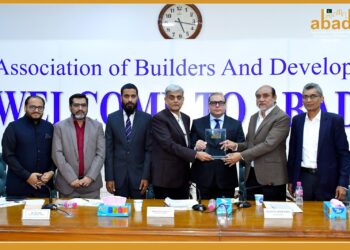
The Construction Sector received a positive response from industry representatives after the federal government announced relief measures in the latest budget. ABAD Senior Vice Chairman Syed Afzal Hameed welcomed the initiatives, stating that the government had finally provided support to the industry after several challenging years.
The development is significant because the Construction Sector plays a vital role in economic growth, employment generation, and investment activity. However, industry stakeholders believe additional reforms could further strengthen investor confidence and accelerate development across the country.
Syed Afzal Hameed Supports Budget Relief
Syed Afzal Hameed said the budget includes measures that offer much-needed relief to builders and developers. According to his statement, the government’s decision reflects recognition of the sector’s importance to the national economy.
He noted that the industry had been seeking policy support for several years. Therefore, the latest measures were viewed as a positive step toward improving business activity and encouraging investment.
At the same time, he emphasized that further reforms remain necessary to unlock the sector’s full potential.
ABAD Seeks Lower Transaction Costs
While welcoming the relief package, Hameed stated that the two percent reduction in transaction costs was not sufficient to generate maximum investment.
According to him, a larger reduction could have encouraged greater participation from investors and property buyers. Moreover, lower transaction expenses may have helped stimulate activity across various segments of the real estate market.
He suggested that additional incentives would create a more attractive environment for both domestic and international investors.
Overseas Investment Could Increase
Hameed also highlighted the importance of attracting overseas capital to Pakistan. He stated that deeper reductions in transaction costs could have encouraged more foreign-based Pakistanis and international investors to invest in local projects.
Furthermore, he said such measures might have helped bring capital held abroad back into the country. Increased investment, according to industry representatives, could support housing development, infrastructure expansion, and broader economic activity.
As a result, stakeholders believe further policy adjustments could strengthen confidence in the market.
Real Estate Sector Needs More Incentives
The ABAD official also said an opportunity to promote documented investment, often referred to as “white money,” in the real estate sector had been missed.
He suggested that stronger incentives could have encouraged greater transparency and increased participation through formal financial channels. Additionally, such measures may have expanded the tax base while supporting sustainable growth in the property market.
Industry leaders continue to advocate for policies that balance revenue generation with investment promotion.
Construction Sector Linked to Economic Growth
Hameed stressed that the growth of the construction sector directly benefits the wider economy. Increased development activity creates employment opportunities and generates demand for industries linked to construction, including cement, steel, transportation, and manufacturing.
Therefore, continued support for the sector could contribute to higher economic activity and stronger investment trends. While welcoming the budget measures, ABAD believes further reforms would help maximize the sector’s contribution to Pakistan’s economic development.
Industry stakeholders are expected to continue discussions with policymakers regarding additional incentives aimed at sustaining long-term growth in the construction sector.