Iraq and UAE Accelerate Oil Pipeline Expansion Amid Strait of Hormuz Crisis
Oil Pipeline Expansion Plans Intensify
oil pipeline expansion plans have accelerated as Iraq and the United Arab Emirates move to reduce dependence on the Strait of Hormuz amid ongoing regional instability.
The developments come as both countries seek alternative export routes to protect energy flows. Moreover, the strategy aims to reduce exposure to potential disruptions in one of the world’s most critical shipping chokepoints.
Iraq Oil Pipeline Export Strategy
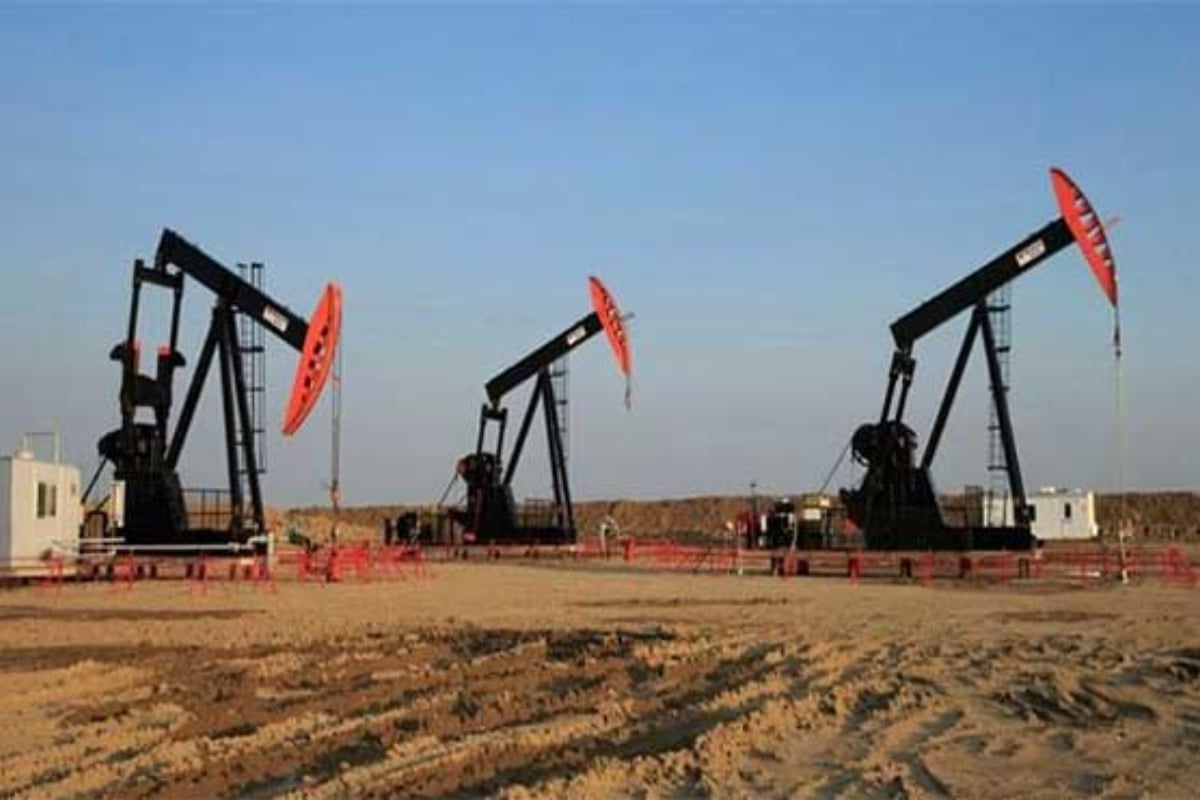
The Iraqi government has approved plans to increase exports through the Kurdistan-Turkey pipeline network. Strait of Hormuz dependency has pushed Baghdad to diversify export routes urgently.
Officials aim to raise shipments from 220,000 barrels per day to 770,000. In addition, the route connects to Turkey’s Mediterranean port of Ceyhan, offering an alternative export gateway.
UAE Oil Pipeline Expansion Project
The United Arab Emirates is also fast-tracking its West-East pipeline to the port of Fujairah. ADNOC is leading the project, which is expected to significantly expand export capacity.
Moreover, the pipeline is designed to bypass the Strait of Hormuz entirely. As a result, it strengthens the UAE’s long-term energy security strategy.
Iraq UAE Energy Export Pressure
Both Iraq and UAE remain heavily dependent on Gulf maritime routes for oil exports. However, recent disruptions have exposed structural vulnerabilities in their supply chains.
In Iraq’s case, exports have reportedly declined sharply due to regional conflict conditions. Consequently, alternative pipelines are being prioritized to stabilize revenue flows.
Strait of Hormuz Energy Risk Factor
The Strait of Hormuz remains a critical global energy corridor, handling a significant share of global oil transit.
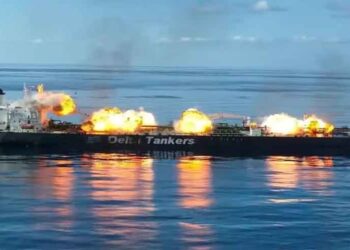
However, ongoing tensions have reduced shipping volumes and increased risk for tanker vessels. Furthermore, geopolitical uncertainty has pushed governments to accelerate infrastructure alternatives.
Oil Pipeline Capacity and Global Impact
Existing pipeline networks across Saudi Arabia and the UAE provide partial alternatives to maritime shipping. Nevertheless, combined capacity still falls short of pre-conflict transit levels through the Strait of Hormuz.
As a result, global energy markets remain sensitive to any disruption in the region. In addition, infrastructure expansion requires significant time and cross-border coordination.
Oil Pipeline Security Challenges
Despite expansion efforts, alternative routes are not fully immune to risk. Past attacks on regional energy infrastructure highlight ongoing vulnerabilities.
Therefore, security concerns continue to shape investment and operational decisions. Moreover, long-term stability remains essential for sustaining global oil supply chains.
Outlook for Oil Pipeline Diversification
The oil pipeline diversification trend is expected to continue as regional tensions persist. Furthermore, both Iraq and UAE are likely to invest heavily in bypass infrastructure.
However, full replacement of maritime routes remains unlikely in the short term. Consequently, the Strait of Hormuz will continue to play a central role in global energy logistics.