TEHRAN/JERUSALEM: Tensions between Iran and Israel sharply escalated on Monday as both sides exchanged missile strikes and air raids, while global powers warned against further deterioration of the security situation in the Middle East.
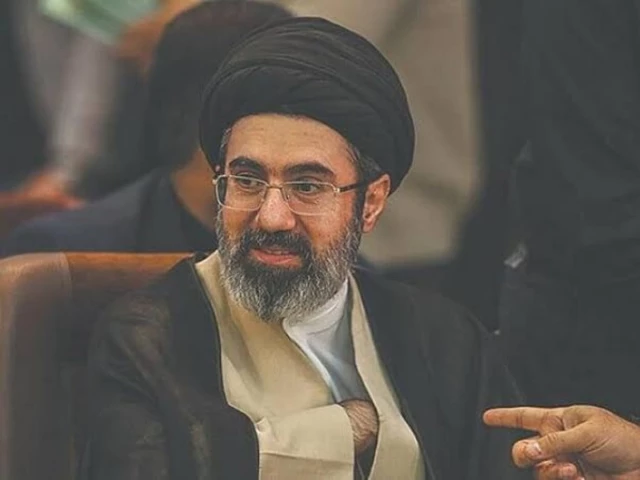
Iran’s Supreme Leader Mojtaba Khamenei stated that “the shaky Zionist regime has few days left,” amid intensified hostilities between Tehran and Tel Aviv.
Iran launched multiple missile barrages toward northern Israel in response to earlier Israeli airstrikes, including strikes on Beirut’s southern suburbs targeting what Israel described as a Hezbollah command facility. In retaliation, Israel carried out airstrikes on western and central Iran, with explosions reported in cities including Tehran, Isfahan, and Tabriz.
Iran’s Foreign Ministry spokesperson Esmaeil Baghaei said the ongoing exchanges were worsening an already fragile diplomatic process with the United States, adding that Tehran was communicating with Washington in an atmosphere of “extreme suspicion.”
He also accused Israel of attempting to sabotage diplomatic efforts and said the United States bears responsibility for regional instability, citing its role in ceasefire arrangements and ongoing tensions.
Iran’s Islamic Revolutionary Guard Corps (IRGC) said it launched retaliatory missile strikes on Haifa, claiming the action followed Israeli attacks on Iranian industrial facilities, including a petrochemical site in Mahshahr. Iranian officials reported partial damage but no confirmed casualties.
The IRGC further warned that continued escalation could have severe consequences for the global economy, blaming the United States for supporting Israeli actions.
Meanwhile, Israel confirmed continued military operations, stating that its air force targeted Iranian defence systems and military infrastructure. Israeli officials said dozens of fighter jets participated in coordinated strikes under intelligence direction.
Sirens were reported across central and southern Israel as new waves of Iranian missiles were detected. Israeli air defence systems were activated, and authorities urged civilians to follow safety instructions.
Iranian semi-official media also reported temporary disruptions at Shiraz airport due to security concerns, while explosions were heard in Tehran as air defence systems intercepted drones.
At the regional level, Yemen’s Houthi group declared a “total ban” on Israeli maritime navigation in the Red Sea and claimed responsibility for additional missile attacks targeting Israeli territory, stating they would escalate operations in coordination with allied groups.
European Union foreign policy chief Kaja Kallas called for immediate de-escalation, warning that the region “does not need escalation” and urging a return to negotiations, including efforts to secure a ceasefire and restart diplomatic dialogue on nuclear and security issues.
The Israeli government is expected to convene its Security Cabinet to assess the situation following renewed exchanges of fire, as concerns grow over the risk of a wider regional conflict involving multiple fronts.