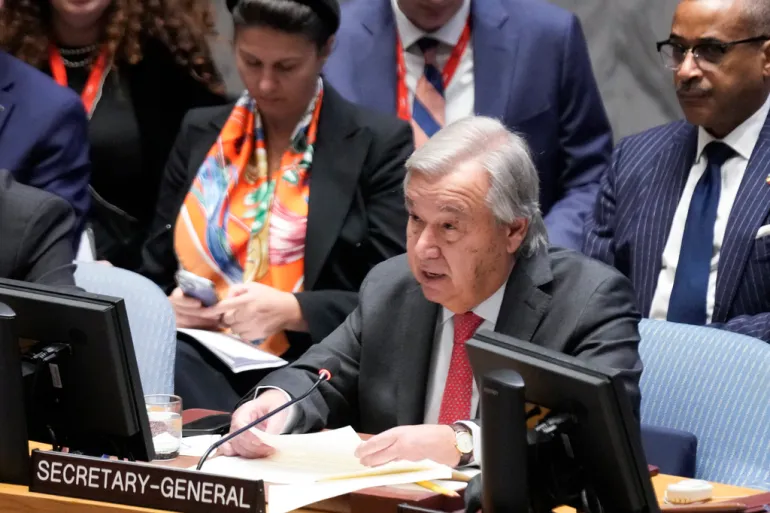
The World Health Organization has declared the Ebola outbreak in the Democratic Republic of the Congo a public health emergency of international concern.
However, the agency clarified that the outbreak does not currently meet the criteria for a pandemic emergency.
WHO Warns of Wider Spread
According to the WHO, the outbreak in eastern Ituri province has already caused around 246 suspected cases and 80 deaths.
Moreover, health officials warned that the real number of infections could be significantly higher than current reports suggest.
The agency also expressed concern over the risk of local and regional spread because of population movement and ongoing humanitarian challenges.
Bundibugyo Virus Behind the Outbreak
The current outbreak involves the Bundibugyo strain of Ebola virus.
Unlike the Zaire strain, there are currently no approved vaccines or specific treatments for Bundibugyo Ebola.
Early symptoms include fever, headache, muscle pain and fatigue. Later stages can lead to vomiting, diarrhoea, rash and severe bleeding.
Cases Confirmed in Congo and Uganda
The WHO confirmed eight laboratory-tested Ebola cases across three health zones in Ituri province, including Bunia, Mongwalu and Rwampara.
In addition, authorities confirmed one Ebola case in the capital city, Kinshasa, involving a traveler returning from Ituri.
Meanwhile, neighbouring Uganda reported two confirmed cases linked to the outbreak.
Ugandan officials said a 59-year-old Congolese man died after testing positive for the virus.
US and Regional Authorities Increase Precautions
Reports also stated that at least six Americans were exposed to Ebola in DR Congo. One individual reportedly showed symptoms, although authorities have not confirmed any infections.
Consequently, the Centers for Disease Control and Prevention plans to send additional staff to DR Congo and Uganda.
At the same time, Rwanda tightened border screening measures as a precaution against possible spread.
Security Crisis Raising Risks
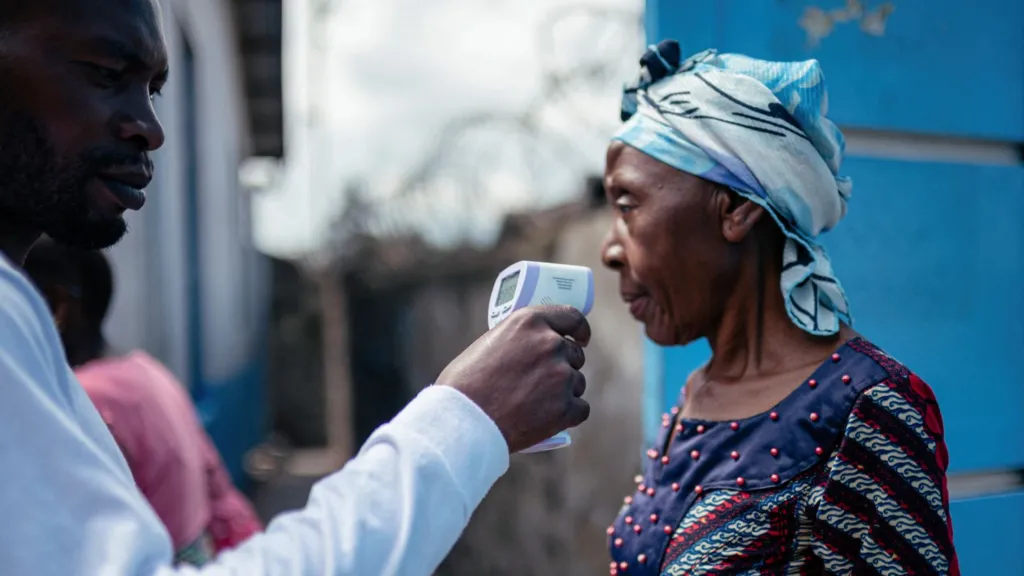
The WHO warned that insecurity, displacement and poor healthcare infrastructure are complicating containment efforts.
Additionally, mining activities and high travel movement in affected regions are increasing the danger of transmission.
Health officials urged DR Congo and Uganda to establish emergency operation centres for monitoring, tracing and infection control.
WHO Advises Against Travel Bans
Despite the outbreak, the WHO advised countries not to close borders or restrict trade and travel.
The agency stressed that such measures are often driven by fear rather than science.
Ebola Remains a Deadly Threat
Ebola was first discovered in DR Congo in 1976 and is believed to originate from infected animals such as fruit bats.
This marks the country’s 17th Ebola outbreak.
According to the WHO, Ebola’s average fatality rate remains around 50 percent.
DR Congo’s deadliest outbreak occurred between 2018 and 2020, when nearly 2,300 people died.