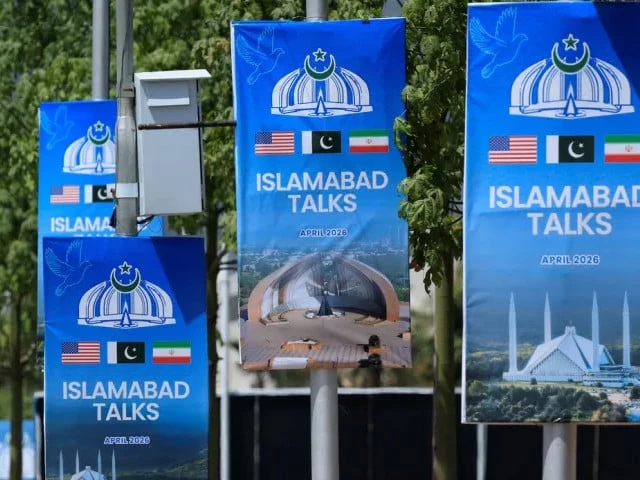
ISLAMABAD: Pakistan’s behind-the-scenes diplomatic engagement played a significant role in easing tensions in the Strait of Hormuz after a rapidly escalating situation threatened to derail fragile ceasefire efforts between the United States and Iran, diplomatic sources said.
The latest phase of mediation reportedly gained momentum after the evacuation of 22 Iranian crew members from a vessel seized by the US Navy to Pakistan earlier this week. The move was viewed as a confidence-building measure amid ongoing secret negotiations aimed at reducing regional tensions.
However, optimism was short-lived when Donald Trump announced “Project Freedom,” a US naval operation intended to escort commercial ships through the Strait of Hormuz following disruptions in maritime traffic.
The announcement triggered strong reactions from Tehran, which described the operation as a violation of the ceasefire understandings. Iranian media initially claimed missile attacks targeting a US naval vessel and strikes linked to the United Arab Emirates, particularly around the strategic port city of Fujairah. The US Central Command later denied any successful attack on American ships.
The rapidly deteriorating situation raised fears of a renewed regional conflict, threatening to undo weeks of diplomatic progress achieved through indirect and direct negotiations.
According to diplomatic sources, Pakistan intensified contacts with all principal stakeholders and regional powers, including Saudi Arabia, to prevent further escalation. Islamabad reportedly worked closely with Riyadh to persuade Washington to reconsider the naval operation.
Prime Minister Shehbaz Sharif condemned attacks targeting the UAE and urged all sides to exercise restraint and respect ceasefire commitments. Iran later distanced itself from the strikes on the UAE after initial reports from Iranian state media appeared to acknowledge the attacks.
Sources familiar with the diplomatic process said Pakistan’s mediators continued around-the-clock engagement with multiple capitals in an effort to preserve dialogue and avoid military confrontation.
In a surprising development, Trump later announced a temporary pause in “Project Freedom,” stating that the decision came at the request of Pakistan and other countries. Diplomatic observers described the development as a major achievement for Pakistan’s mediation efforts.
Prime Minister Shehbaz Sharif publicly thanked Trump for pausing the operation and also acknowledged the role played by Mohammed bin Salman in supporting diplomatic initiatives.
Reports in US media later suggested that Washington and Tehran were moving closer to a preliminary one-page memorandum aimed at formally ending the conflict and opening discussions on broader issues including sanctions, maritime security and Iran’s nuclear programme.
While Pakistani officials have maintained silence regarding the details of the negotiations, diplomatic insiders indicated that extensive backchannel discussions were continuing and further developments could emerge in the coming days.
Despite cautious optimism, observers warned that the situation remained fragile and could still deteriorate unexpectedly. Nevertheless, Pakistan’s diplomatic intervention has been widely credited with helping pull the region back from the brink of a broader conflict.