Tabish Kafili
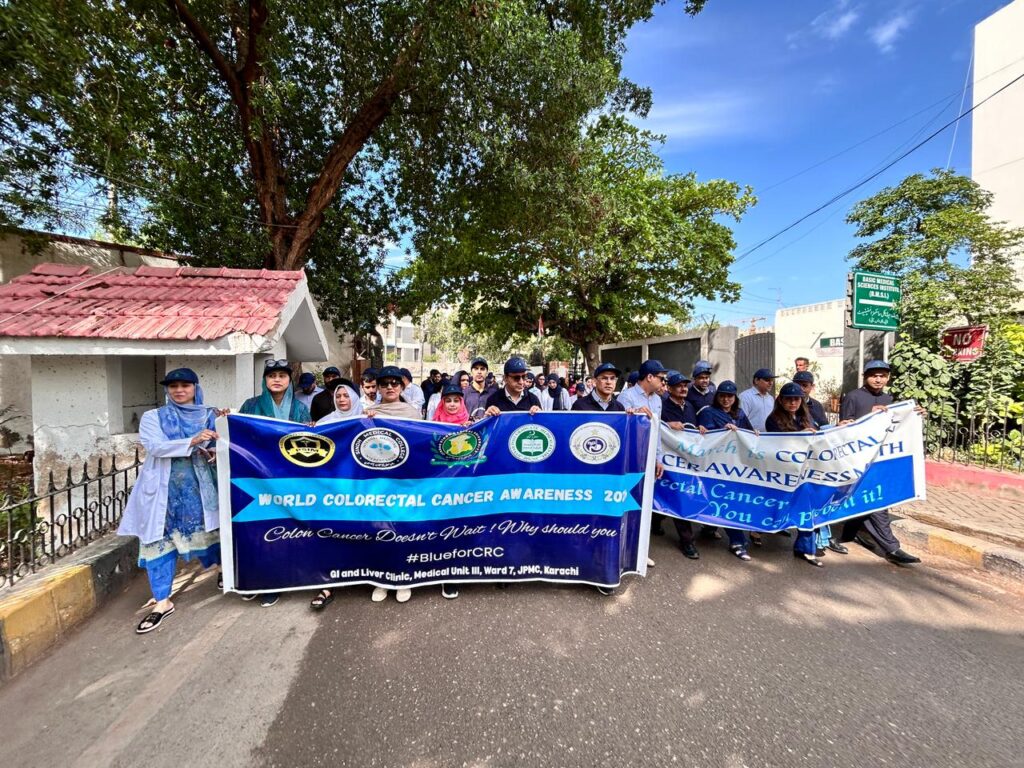
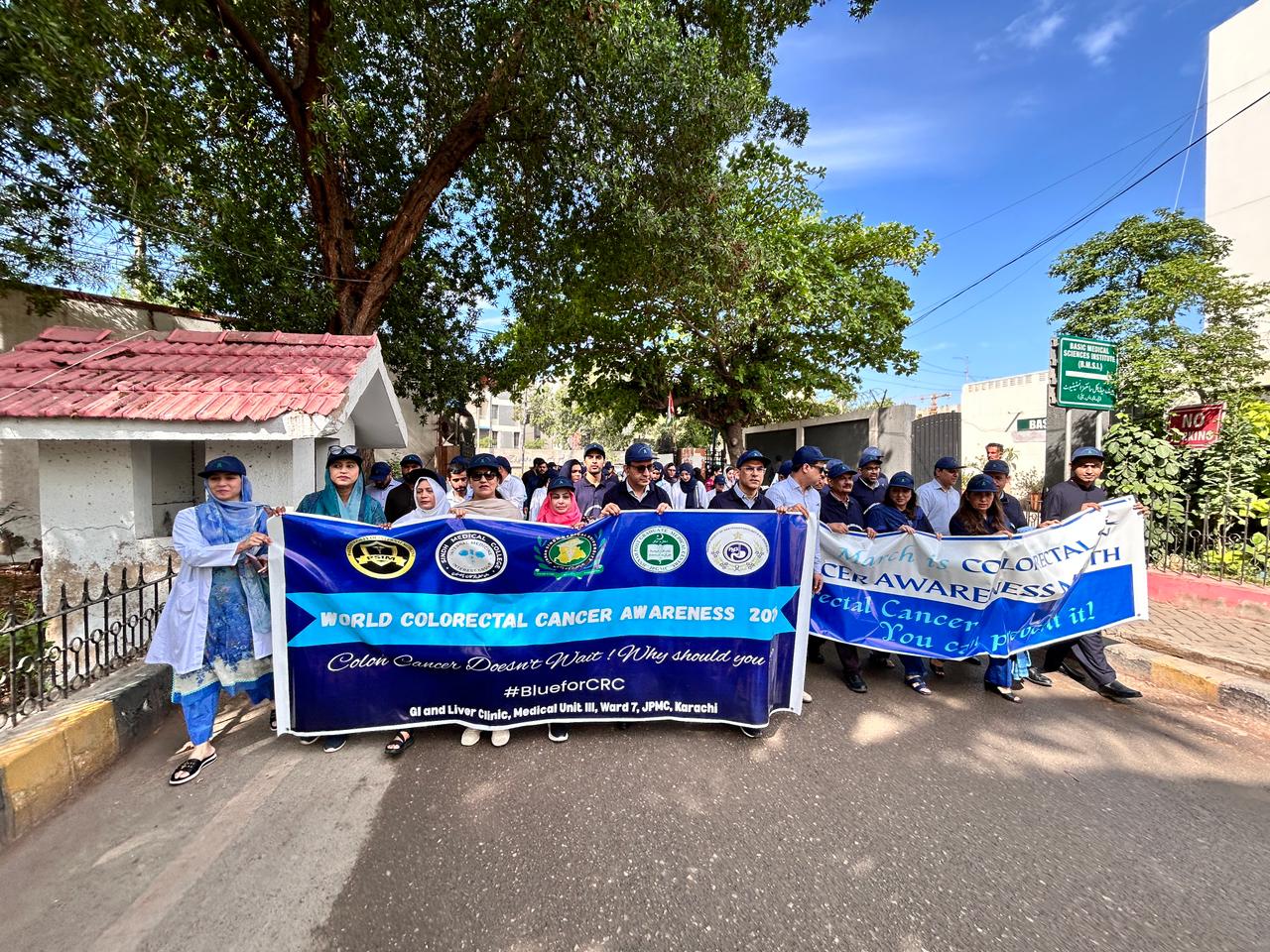
Karachi: Jinnah Sindh Medical University (JSMU), in collaboration with Ward 7 of Jinnah Postgraduate Medical Centre (JPMC), organised a colorectal cancer awareness rally to promote prevention, early detection and public education.
The initiative brought together faculty members, clinicians, students and staff in a coordinated effort to highlight the importance of screening and lifestyle awareness in combating one of the most common yet preventable cancers.
Leadership and Participation
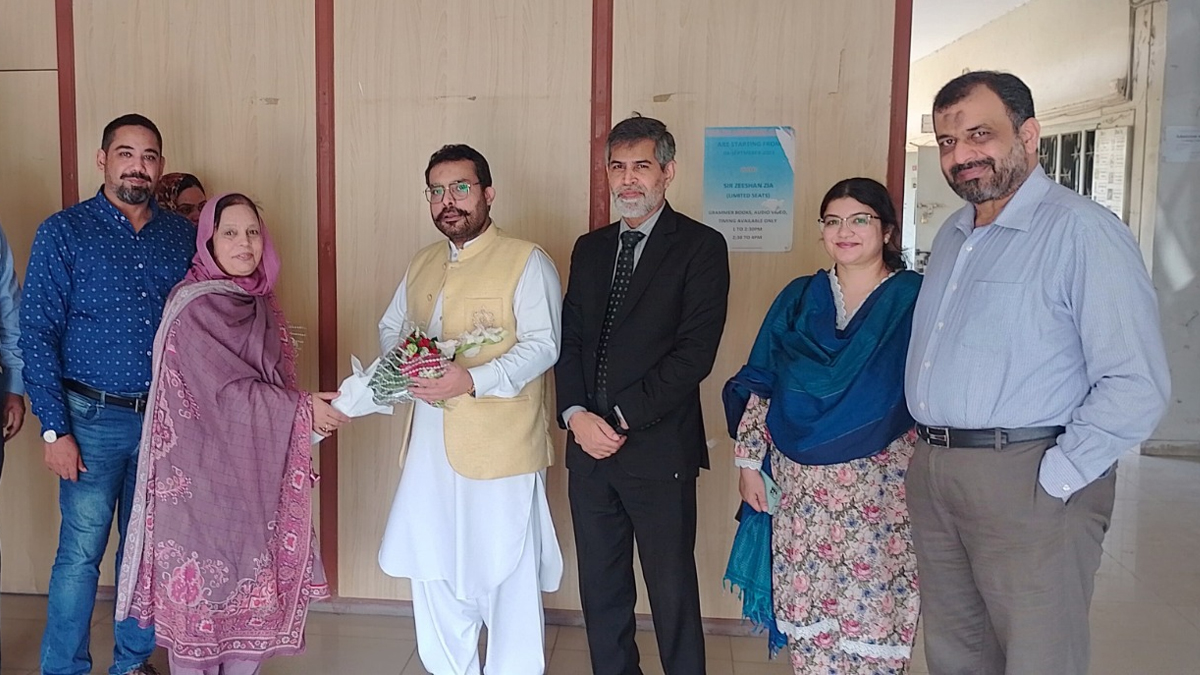
The rally was held under the patronage of Vice Chancellor Amjad Siraj Memon, whose leadership was described as instrumental in advancing medical education and public health advocacy.
Other key participants included Khalid Sher, Azam Khan, Ambareen Usmani, Nazish Jaffar and Nausheen Razi.
Awareness Walk and Public Session
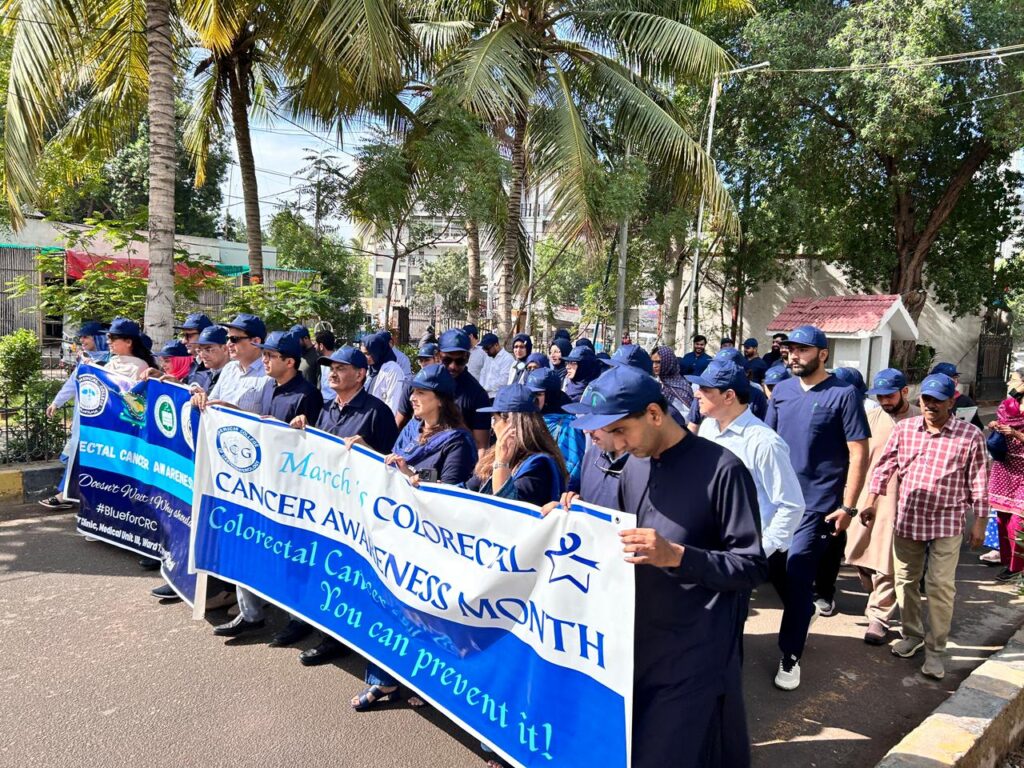
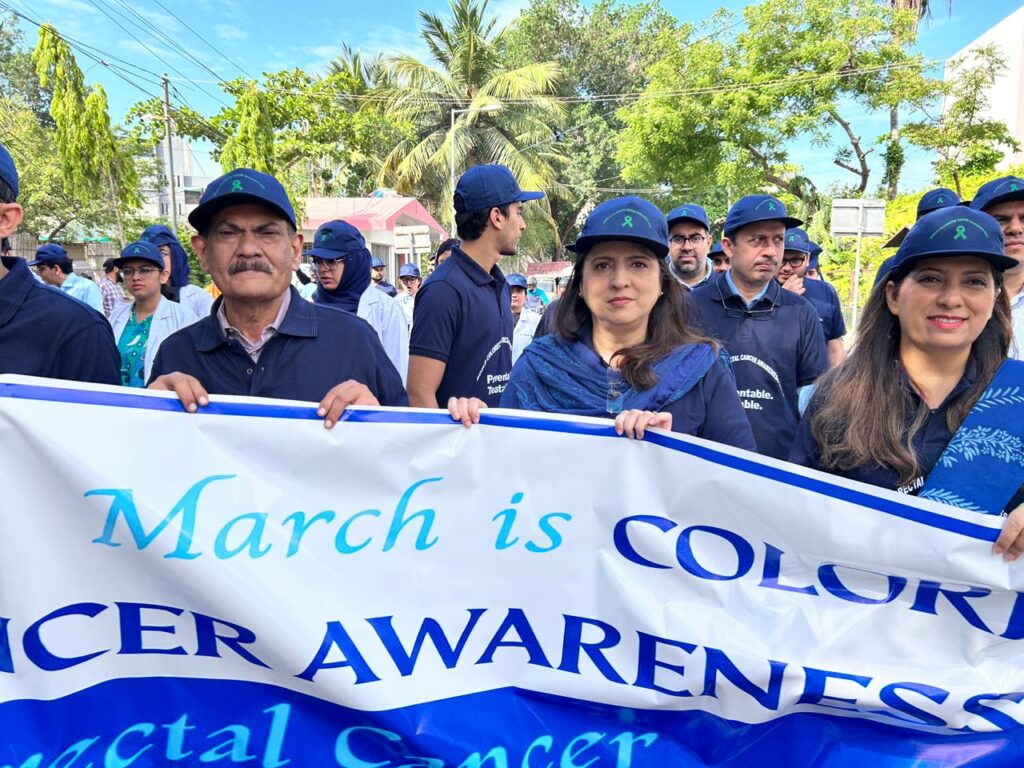
The event began with an awareness walk from JSMU to Ward 7 at JPMC, symbolising a unified commitment to tackling colorectal cancer through community engagement.
A public awareness session followed, focusing on early screening, recognising warning signs and symptoms, and adopting healthy lifestyle practices to reduce cancer risk.
Student Engagement and Innovation
A key highlight of the event was a reel competition organised by students of the Internal Medicine Interest Group (IMIG), who created digital content to spread awareness messages. Winners were awarded prizes arranged by the Gastroenterology Section of Ward 7.
Multidisciplinary Collaboration
The event was supervised by Shabnam Naveed, with organisational leadership by M. Masood Khoso and support from faculty members across departments including colorectal surgery, medicine and oncology.
Organisers said the initiative demonstrated the importance of multidisciplinary collaboration in addressing public health challenges through both treatment and preventive strategies.

Commitment to Public Health
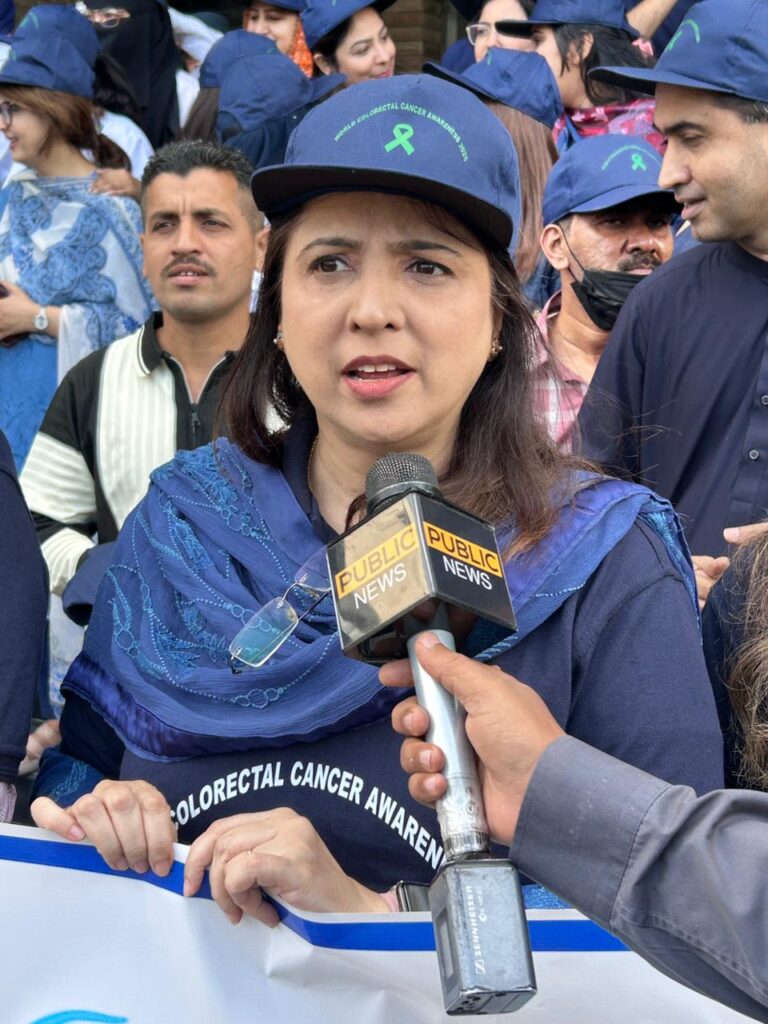
The rally underscored the commitment of JSMU and JPMC to advancing healthcare awareness and community well-being.
Participants emphasised that proactive education and early detection remain key to reducing the burden of colorectal cancer and improving patient outcomes.