Sobia Khan
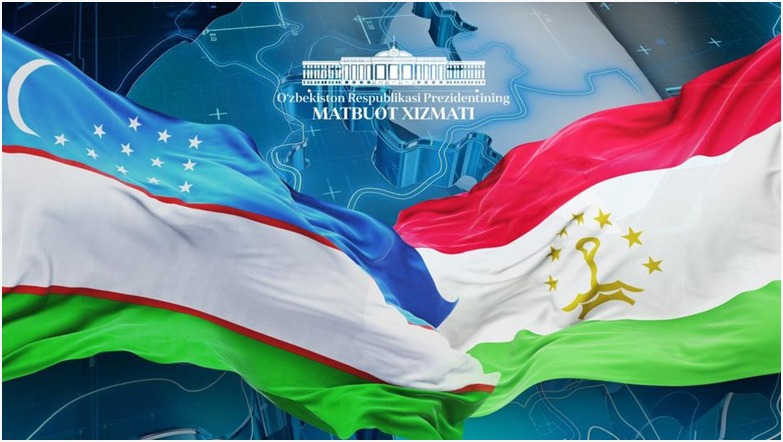
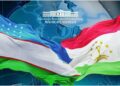
Tashkent: Mutual trade between Uzbekistan and Tajikistan could increase by 30–40%, according to estimates by the Center for Economic Research and Reforms (CERR), highlighting significant untapped potential in bilateral economic relations.
Steady Growth, Untapped Opportunities
The assessment was shared by Khurshed Asadov, Deputy Director of CERR, during the international conference titled Uzbekistan – Tajikistan: New Prospects for Alliance and Regional Cooperation held in Tashkent.
He noted that economic cooperation between the two countries has shown consistent positive growth in recent years, supported by strategic partnership agreements and strengthened institutional frameworks. However, he stressed that the full potential of bilateral trade has yet to be realized.
Trade Volumes Show Strong Growth
According to CERR data, trade between the two countries increased 3.8 times between 2017 and 2025, rising from $238 million to $912 million. During this period, Uzbekistan’s exports grew 3.7 times, while imports from Tajikistan expanded more than fourfold.
Tajikistan currently ranks among Uzbekistan’s key regional trade partners, standing ninth among countries importing Uzbek goods.
Industrial Cooperation Key to Expansion
Experts believe that trade volumes could grow further through import substitution, where Tajikistan replaces imports from third countries with goods produced in Uzbekistan.
Key sectors with strong export potential include automobiles, household appliances, textiles, and chemical products.
In addition, industrial cooperation is seen as a major driver of future growth. Proposals include establishing joint processing facilities in border regions, particularly for agricultural products, along with the development of agrologistics centers.
Role of Infrastructure and Regional Connectivity
Asadov emphasized that shared borders, geographic proximity, and existing transport links provide a strong foundation for deeper economic integration. Enhancing transport infrastructure and expanding transit routes across Central Asia could further accelerate trade and investment flows.
Conference Highlights Regional Cooperation
The conference was organized by the International Institute for Central Asia (IICA) and brought together government officials, diplomats, and academic experts from both countries.
Participants discussed strategies to strengthen trade, investment, and humanitarian cooperation, with a focus on building a more integrated and economically connected Central Asia.