US President Donald Trump said Washington expects further talks with Iran this week, a day after rejecting Tehran’s proposal to reopen the Strait of Hormuz and revive a broader ceasefire arrangement.
Trump told Axios that US negotiators would engage with their Iranian counterparts in the coming days. Regional mediators, including Qatar, are also continuing efforts to bridge differences between the two sides.
Iran had proposed reopening the strategically important waterway within a week and resuming nuclear negotiations if the United States lifted its naval blockade, eased sanctions on Iranian oil and reinstated a ceasefire across the region. Trump rejected the proposal on Saturday.
Iranian Foreign Minister Abbas Araghchi has maintained that Tehran remains open to diplomacy but will not abandon its conditions. He said Iran was waiting for mediators to convey Washington’s formal position before making a decision.
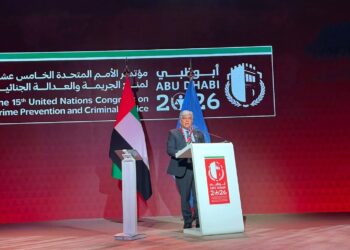
Pakistan Calls for Stronger Global Cooperation at UN Crime Congress
“Our conditions are clear,” Araghchi said, according to Iranian statements reported by international media. He added that reopening the Strait of Hormuz would depend on those conditions being met.
Trump said Iran was seeking an agreement but argued that Tehran’s proposal did not meet US requirements. His comments indicated that the two sides remain apart over the terms of any potential settlement.
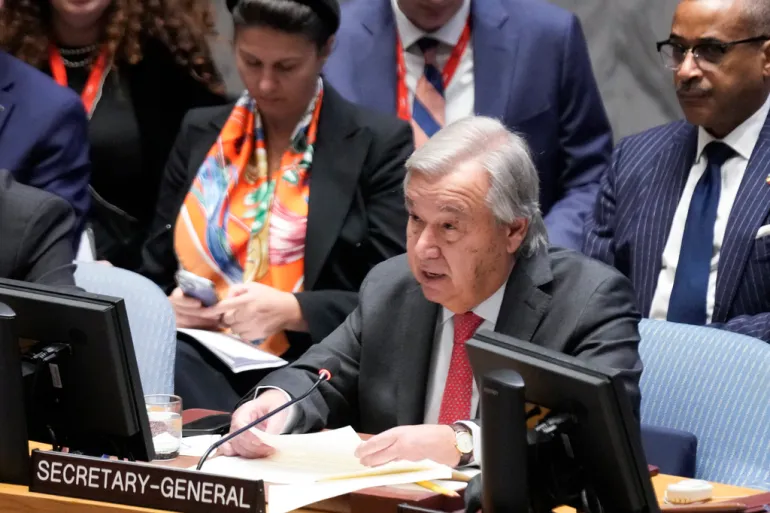
US Ambassador to the United Nations Mike Waltz also criticised Iran’s proposal, saying Tehran was seeking significant concessions before returning to negotiations. He cited sanctions relief, access to frozen Iranian assets and changes to the US naval blockade among the demands.
Despite Trump’s rejection, US and regional officials have indicated that indirect diplomatic contacts remain active. Axios reported that Qatari mediators have continued shuttle diplomacy between Washington and Tehran and were working on possible changes to the original proposal.
The latest diplomatic effort follows several rounds of indirect negotiations involving US envoys Steve Witkoff and Jared Kushner and Iranian Foreign Minister Abbas Araghchi on the sidelines of the United Nations General Assembly in New York.
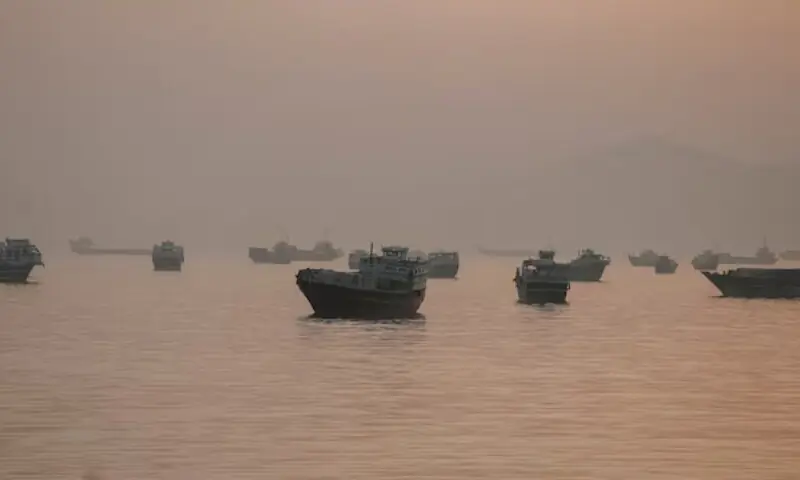
The Strait of Hormuz remains central to the dispute because of its importance to global energy shipments. Trump said more than 20 million barrels of oil had passed through the waterway over the weekend, while a US defence official cited by Axios put Friday’s volume at about 22 million barrels.
Iranian military officials have meanwhile warned that Tehran is prepared for renewed military action. Iranian authorities have also claimed that the Islamic Revolutionary Guard Corps seized a US submarine drone in the Strait of Hormuz. The Pentagon has disputed the claim, according to Dawn’s latest report.
Iranian officials have continued to describe diplomacy as the preferred route to resolving the crisis, while maintaining that Tehran will not accept an arrangement that prevents it from trading through the region’s strategic waterways.
The latest developments leave the diplomatic channel open, but major differences remain over the Strait of Hormuz, sanctions, the US naval blockade, Iran’s nuclear programme and the terms of any wider ceasefire.