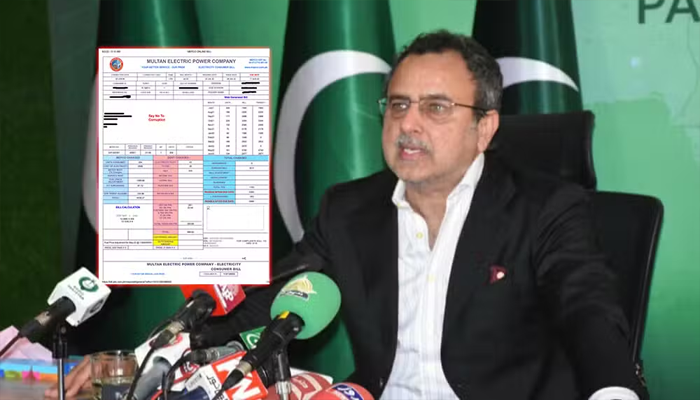
The federal power minister Awais Leghari on Thursday finally revealed how load shedding was being determined by the government.
He explained that every 500 to 600 megawatts of electricity deficit results in approximately one hour of load shedding, so this is why the country is facing around 6 to 7 hours of power cuts everyday.
Pakistan’s power situation has deteriorated further due to a widening supply-demand gap, driven by fuel constraints and reduced generation capacity. Leghari said the country is currently struggling to meet peak demand as multiple constraints simultaneously hit the national grid, including lower hydropower output and severe limitations in LNG-based generation.
The minister explained that LNG power plants, which have a combined generation capacity of around 6,000 megawatts, are currently producing only about 500 megawatts due to fuel supply disruptions linked to regional conditions. This sharp reduction has removed a major chunk of available electricity from the system.
Hydropower generation has also weakened compared to last year, adding further pressure on the system. While furnace oil-based plants are being used to bridge the gap, the overall shortfall still stands at around 3,400 megawatts, Leghari added.
Despite efforts to stabilize supply, the imbalance between demand and generation continues to force authorities into extended load management. The minister has urged consumers to reduce electricity usage since the current situation is being influenced by external factors and fuel availability constraints.