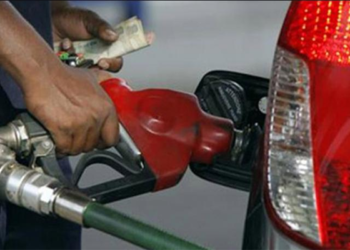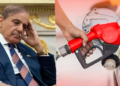
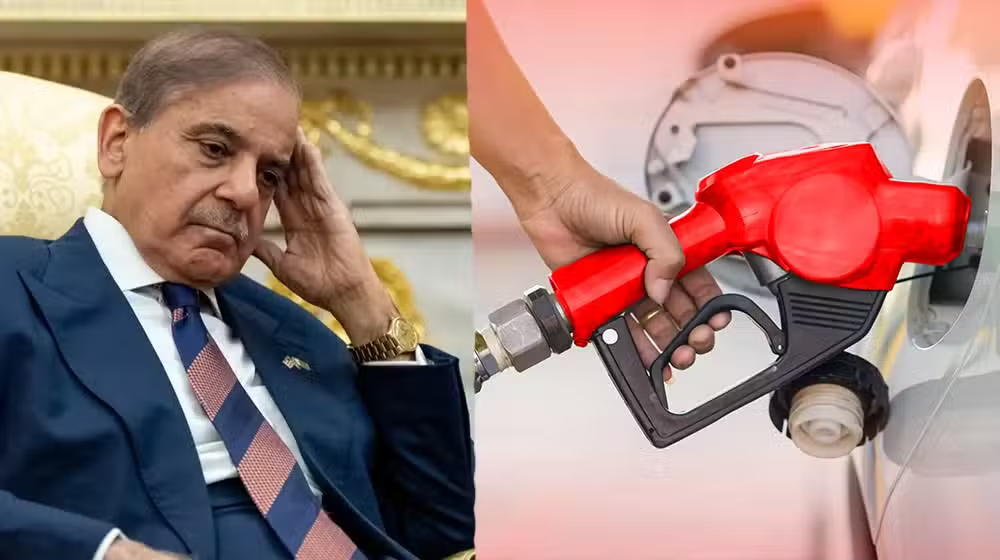
The government of Pakistan is preparing to increase petrol and diesel prices within days as it moves to partially pass higher import costs on to consumers while asking provincial administrations to share the subsidy burden.
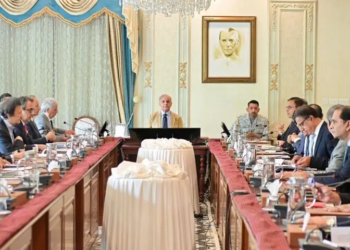
The decision follows a meeting led by Finance Minister Muhammad Aurangzeb with the country’s four chief ministers and senior federal officials to coordinate a targeted fuel-subsidy framework to protect vulnerable segments, such as motorcyclists and farmers.
“Prices of both petrol and diesel are set to go up within days,” reported Dawn, adding that the size of the increase would depend on movements in global oil markets. Authorities are considering passing through the full impact of international price changes, though relief for selected groups remains under discussion.
The government estimates the current price gap at about Rs. 100 per litre for petrol and more than Rs. 200 per litre for diesel compared with import-adjusted costs. Officials are weighing whether to pass on the full petrol adjustment and roughly half the diesel gap to consumers once updated calculations are finalized by the Petroleum Division and the Oil and Gas Regulatory Authority later this week.
The government has already absorbed roughly Rs. 129 billion in fuel subsidies over the past three weeks. It plans to cap total support at around Rs. 158 billion, increasing pressure on provinces to contribute to further relief measures.
Following consultations between President Asif Ali Zardari and Prime Minister Shehbaz Sharif, the federal government asked provinces to share the subsidy burden. Punjab and Sindh are expected to contribute based on population shares under the National Finance Commission formula, while Khyber Pakhtunkhwa and Balochistan would participate based on fuel consumption levels.
Provincial governments agreed in principle to subsidize petrol for motorcyclists, with a uniform rationing mechanism expected to be announced by the prime minister. Sindh will extend diesel support to farmers through its Hari Card database, while Punjab and Khyber Pakhtunkhwa plan similar programs.
Transport costs remain a key concern for policymakers, as diesel price adjustments could quickly feed into food inflation through higher freight charges. Provinces also agreed not to increase fares for Bus Rapid Transit systems, though officials warned the measure could create pricing disparities outside major urban centers.
Officials estimate targeted subsidies could require Rs. 15 billion to Rs. 18 billion per week, potentially rising to Rs. 30 billion depending on global oil trends. Authorities believe the burden could be jointly absorbed through the end of the fiscal year in June, though uncertainty over international energy prices complicates planning.
The meeting concluded with agreement to develop a framework for a coordinated targeted subsidy mechanism as part of broader petroleum pricing reforms aimed at reducing fiscal pressure while limiting inflationary spillovers.