
Parkinson’s Disease researchers have identified two proteins that may drive the spread of the illness through the brain, raising hopes for future treatments that could slow or even stop disease progression rather than only relieve symptoms.
The study, published in Nature Communications, found that two neuron surface proteins, mGluR4 and NPDC1, help transport misfolded alpha-synuclein into healthy brain cells. Scientists believe this toxic protein plays a central role in the progression of Parkinson’s disease.
Parkinson’s disease gradually damages nerve cells, particularly dopamine-producing neurons. As misfolded alpha-synuclein spreads from one neuron to another, it contributes to worsening movement problems, including tremors, poor balance and slowed movement.
Senior author Dr. Stephen Strittmatter of Yale School of Medicine said understanding how the toxic protein enters healthy neurons could help researchers develop therapies that slow or block the disease’s progression.
To investigate the process, researchers engineered 4,400 groups of cells, each displaying a different surface protein. They then examined whether misfolded alpha-synuclein attached to any of them.
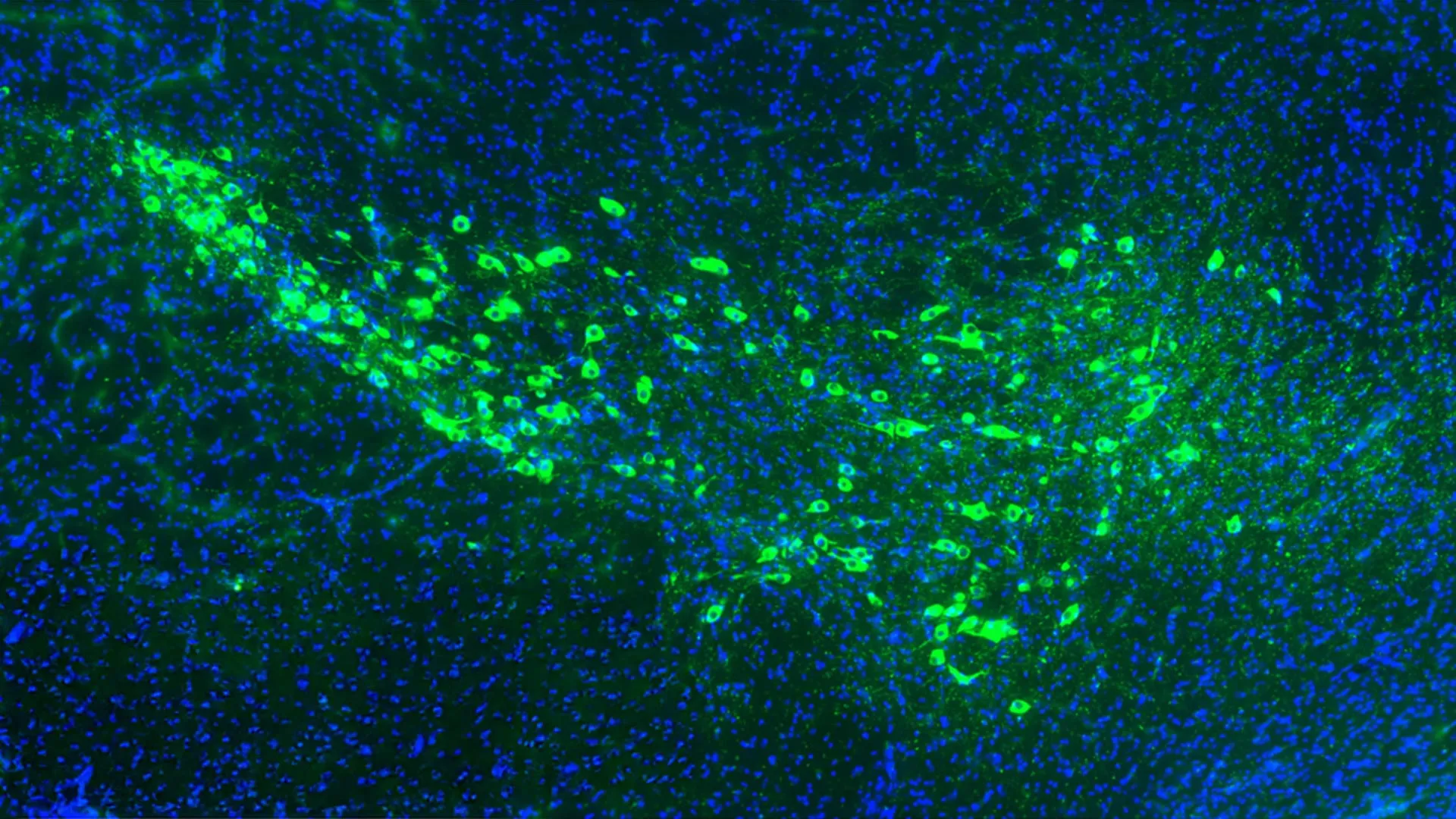
Most proteins showed no interaction. However, researchers identified 16 proteins that bound to the toxic protein. Among them, mGluR4 and NPDC1 proved especially important because they are present on dopamine-producing neurons in the substantia nigra, the brain region most affected by Parkinson’s disease.
The research team then tested the discovery in mice. They genetically disabled either mGluR4 or NPDC1 before exposing the animals to misfolded alpha-synuclein.
Unlike normal mice, animals lacking either protein showed little accumulation of the toxic protein. They also developed fewer Parkinson’s-like symptoms and had a lower risk of death in laboratory models.
The findings suggest that mGluR4 and NPDC1 work together to transport misfolded alpha-synuclein into neurons. As a result, blocking these proteins could help prevent the disease from spreading through the brain.
Current Parkinson’s treatments mainly manage symptoms and do not significantly slow the underlying disease. Therefore, researchers believe targeting these transport proteins could offer a new approach to disease-modifying therapy.
Scientists also warned that the need for better treatments will continue to grow as populations age. Parkinson’s disease primarily affects older adults, and rising life expectancy is expected to increase the number of people living with the condition,