Sarosh Mustafa
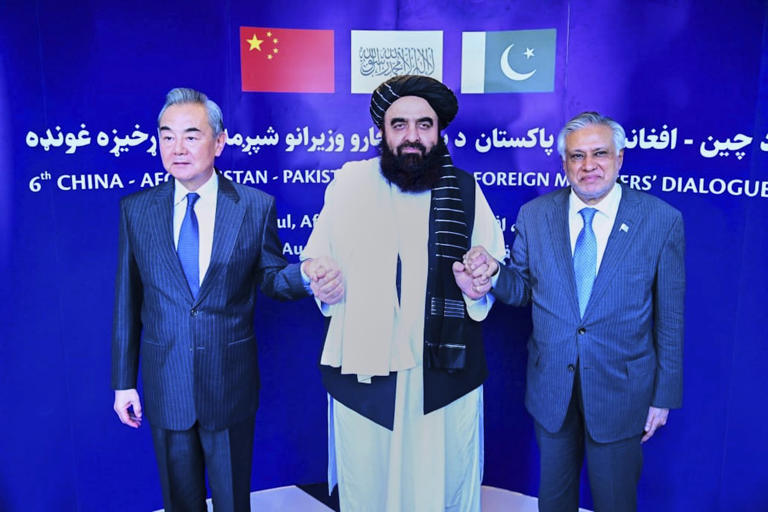
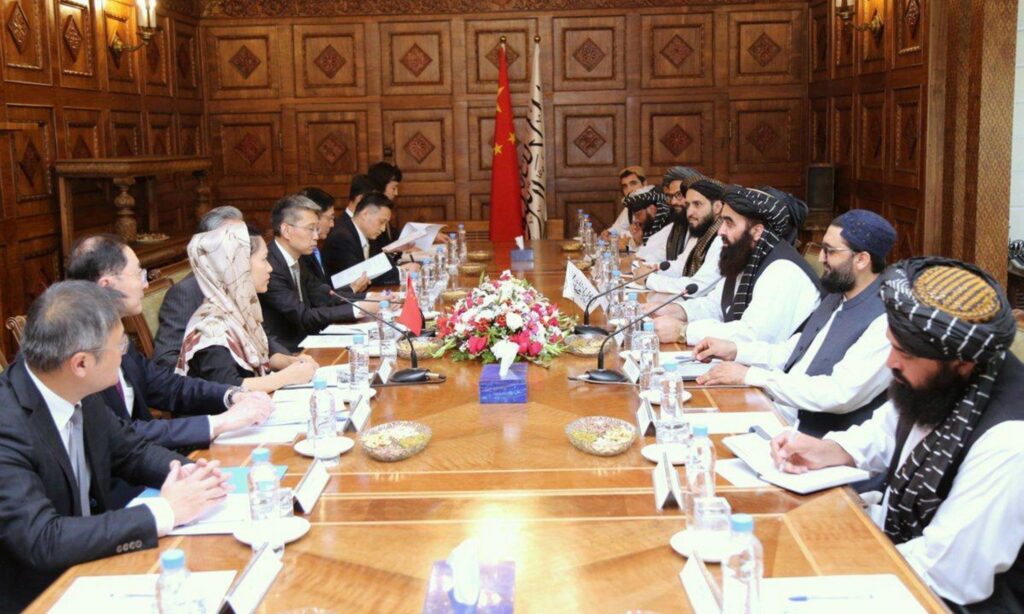
Kabul: Pakistan’s Foreign Minister Ishaq Dar, along with China’s Foreign Minister Wang Yi, arrived in Kabul on Wednesday to attend a high-level trilateral summit with Afghan officials aimed at reshaping South and Central Asia’s political and economic landscape.
The summit, hosted by Afghanistan’s Ministry of Foreign Affairs, is centered on strengthening political dialogue, expanding economic cooperation, and addressing regional security challenges.
Key Agenda Points
- Expanding cross-border trade and transit corridors
- Enhancing connectivity through road, railway, and energy projects
- Developing joint counterterrorism frameworks against militancy and extremism
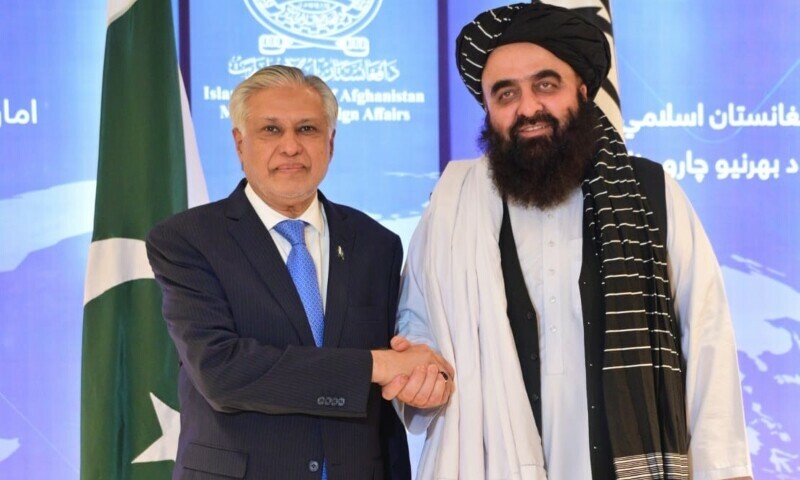
For Pakistan, Minister Dar highlighted the urgency of opening trade routes, boosting regional transport links, and enhancing intelligence sharing to combat terrorism—issues that have strained relations with Kabul in recent years.
Why It Matters
This engagement follows a similar round of trilateral talks in Beijing earlier this year, signaling a move towards sustained cooperation rather than symbolic diplomacy. The backdrop is equally significant: Russia’s recent recognition of the Taliban-led Afghan government has reshaped the regional diplomatic environment, pushing Pakistan and China to adopt a pragmatic, engagement-focused approach despite not extending formal recognition.
Strategic Outcomes Expected
- Revived Diplomacy – Pakistan’s participation alongside China underscores a preference for multilateral frameworks to boost credibility and stability.
- Economic Integration – Projects like the UAP Railway, linking Pakistan, Afghanistan, and Uzbekistan, may be expanded to strengthen Central Asia–Pakistan trade routes.
- Security Coordination – With the Tehreek-e-Taliban Pakistan (TTP) threat looming large, Islamabad is pushing for robust counterterrorism collaboration.
- Balanced Diplomacy – While Russia has recognized the Taliban government, Pakistan and China are adopting a cautious, practical engagement strategy.
Challenges Ahead
- Ensuring summit pledges translate into joint committees and actionable policies.
- Managing China’s growing role without sidelining local priorities.
- Addressing Pakistan’s domestic debate on Afghan refugees and Afghanistan’s internal governance issues.
Outlook
The Kabul trilateral summit represents more than a diplomatic gesture—it is an attempt to redraw the contours of regional cooperation at a time of shifting global power politics. If successful, the summit could unlock new trade corridors, improve security networks, and redefine South-Central Asian stability.