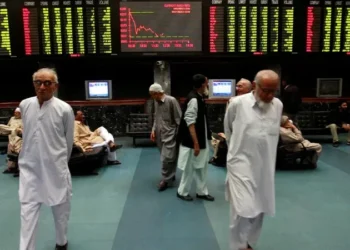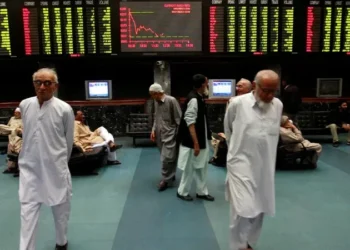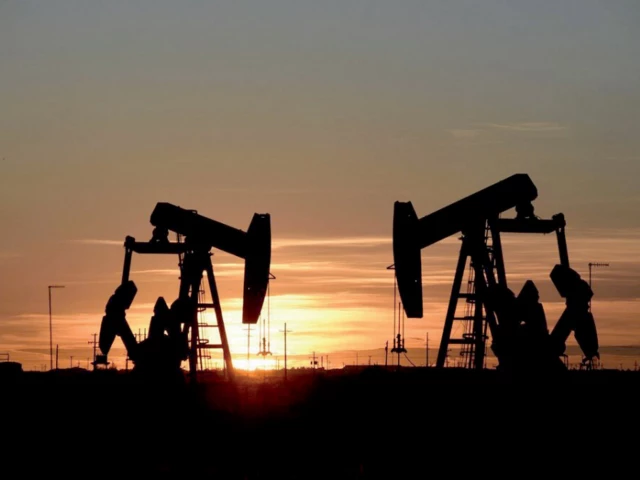
Oil prices fell on Monday after surging last week to near six-month highs, as hopes of easing hostilities between the United States and Iran offered some relief to markets. However, continued attacks on Saudi Arabia’s energy infrastructure kept investors cautious about potential supply disruptions.
US West Texas Intermediate (WTI) crude futures dropped $2.23, or 2.16 per cent, to $101.04 per barrel by 9:26am Pakistan time. Brent crude futures declined $2.21, or 1.89 per cent, to $114.51 per barrel.
Both benchmarks had settled nearly $3 higher on Friday after Houthi attacks in Saudi Arabia intensified concerns over global energy supplies. Brent ended the week up 6 per cent, while WTI gained 2.3 per cent.
Diplomatic Efforts Raise Hopes of De-escalation
On Sunday, Qatari mediators travelled to Tehran as part of efforts to reduce regional tensions in coordination with the United States, an official briefed on the situation said.
Vandana Hari, founder of oil market analysis provider Vanda Insights, said concerns about renewed military hostilities in the Middle East had eased at the start of Monday’s trading session, although the relief could prove short-lived.
Lula Wins Fourth Term as Brazil’s President, Bolsonaro Vows to Challenge Results
Hari cautioned that US President Donald Trump had not ruled out market expectations that strikes on Iran could still follow the November 3 midterm elections.
“We therefore expect volatility to remain elevated, with risks still skewed to the upside,” she added.
Saudi Arabia Attacks Keep Oil Supply Risks in Focus
Despite diplomatic efforts, attacks continued over the weekend. The Iran-backed Houthis said they had struck an airport and oil facilities in Saudi Arabia on Saturday, while Saudi authorities reported intercepting additional missiles and drones on Sunday.
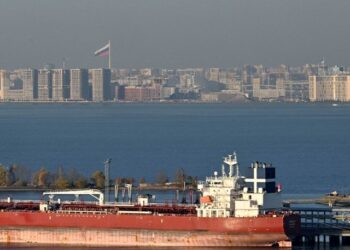
The conflict, which began with the US-Israeli war on Iran on February 28, continues to disrupt commercial shipping through two strategically important waterways: the Strait of Hormuz and the Bab el-Mandeb Strait.
The disruption has heightened concerns over the movement of crude oil and other energy supplies, leaving global markets vulnerable to further military escalation.
Priyanka Sachdeva, head of market insight at Phillip Nova, said the latest decline in prices appeared to reflect trading adjustments rather than a fundamental improvement in supply conditions.
“While supply risks surrounding the Strait of Hormuz remain firmly entrenched, the current pullback appears more reflective of position adjustments and risk management rather than any meaningful improvement in the underlying supply situation,” she said.
Saudi Aramco Plans Crude Storage in Singapore
In a move aimed at strengthening regional supply resilience, the energy ministers of Saudi Arabia and Singapore said on Monday that Saudi state-owned oil company Saudi Aramco would begin storing crude oil in Singapore in the second half of 2027.
The arrangement is intended to bolster the resilience of Aramco’s regional supply chain amid ongoing uncertainty over shipping routes and energy flows.
The development comes as oil producers and importing countries assess the longer-term consequences of the conflict for energy security.
IEA Warns Energy Markets May Take Years to Recover
International Energy Agency chief Fatih Birol reinforced concerns about the outlook for global energy supplies, saying on Monday at an industry event in Singapore that he did not expect energy markets in 2027 to return to their pre-war conditions.
His comments underscored the possibility that disruptions linked to the Iran conflict could have lasting effects, even if immediate military tensions ease.
While hopes of diplomatic progress helped push prices lower on Monday, continued attacks, shipping disruptions and uncertainty over potential further strikes remain significant risks for oil markets.