Health Reporter
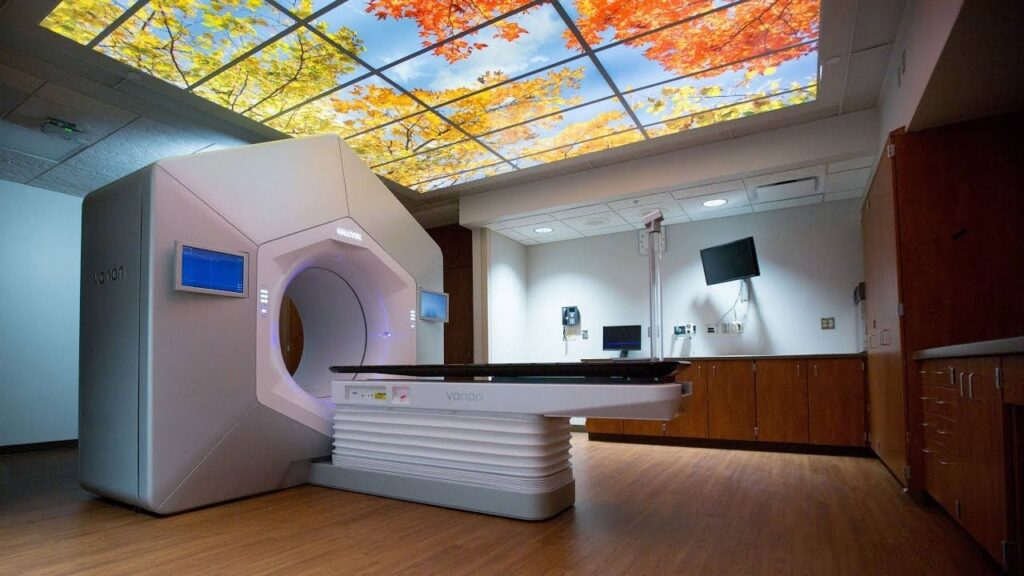
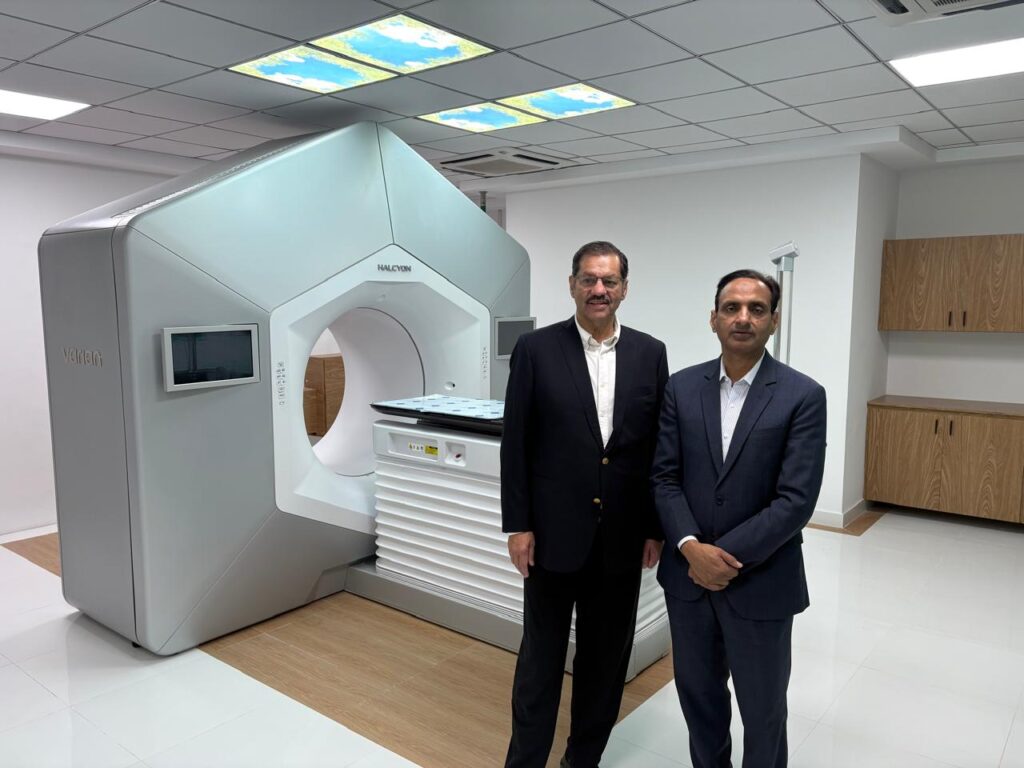
Karachi: The Karachi Institute of Radiotherapy and Nuclear Medicine (KIRAN), the country’s largest public-sector cancer hospital operated by the Pakistan Atomic Energy Commission (PAEC), has inaugurated a second Halcyon Linear Accelerator, significantly strengthening access to advanced radiotherapy services in the metropolis.
With the new installation, KIRAN is now operating four linear accelerators, including two Halcyon systems. Hospital officials said the expansion would markedly increase treatment capacity and reduce waiting times for patients.
The newly commissioned Halcyon unit delivers high-precision radiation therapy using modern techniques such as Intensity-Modulated Radiation Therapy (IMRT) and Volumetric Modulated Arc Therapy (VMAT), enabling more accurate targeting of tumours while minimising exposure to surrounding healthy tissue.
KIRAN currently treats around 250 cancer patients daily — the highest patient load for any cancer hospital in Pakistan. Following the addition of the second Halcyon system, daily radiotherapy capacity is projected to rise to approximately 400 patients.
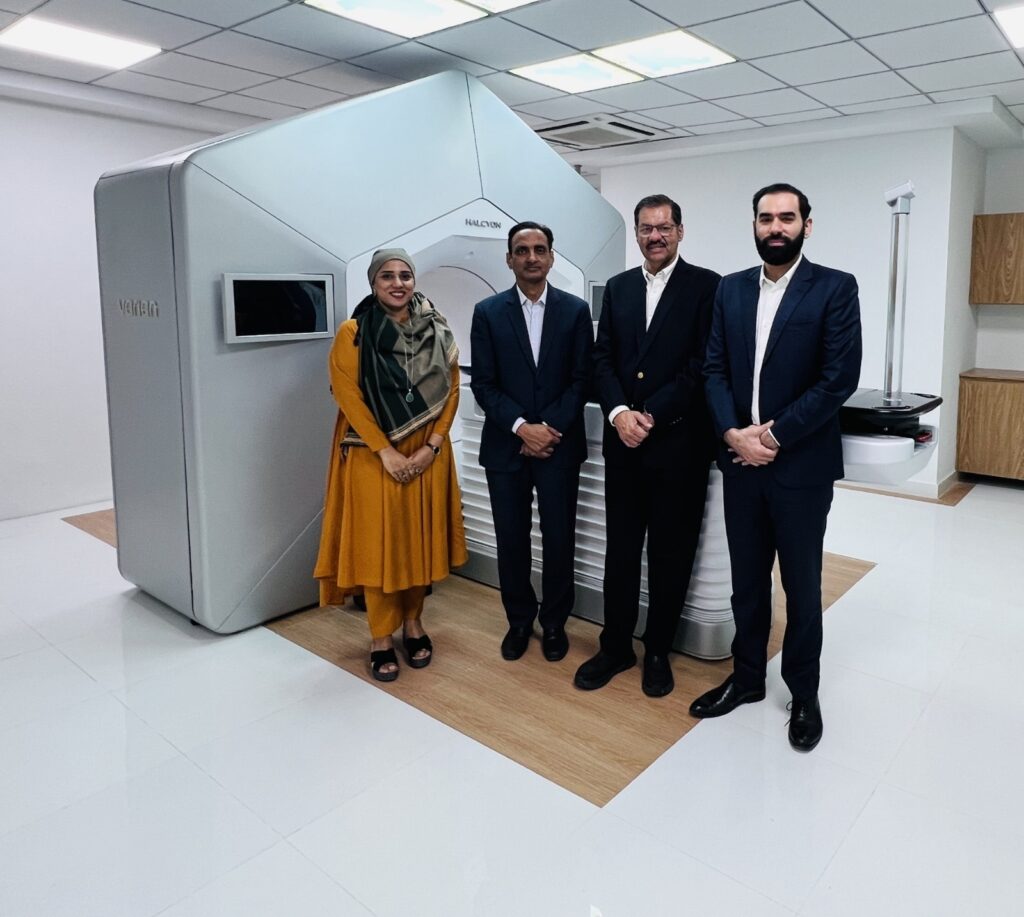
Hospital representatives said the upgrade reinforces KIRAN’s position as a leading radiotherapy centre in Karachi and broadens access to modern cancer care for low- and middle-income families. They added that the project reflects collaboration between healthcare institutions, community organisations and technical partners to make advanced treatment options available to a larger segment of the population.
The new facility has been made possible with support from the KIRAN Patients Welfare Society (KPWS) and the Strategic Plans Division (SPD). According to KIRAN officials, deserving patients will receive treatment on the new machine free of cost.
The Halcyon platform is designed for precision radiotherapy with integrated image guidance used in every session, allowing consistent patient positioning and accurate dose delivery across a wide range of tumour sites. The system supports a streamlined, patient-centred workflow intended to improve efficiency for clinical teams.
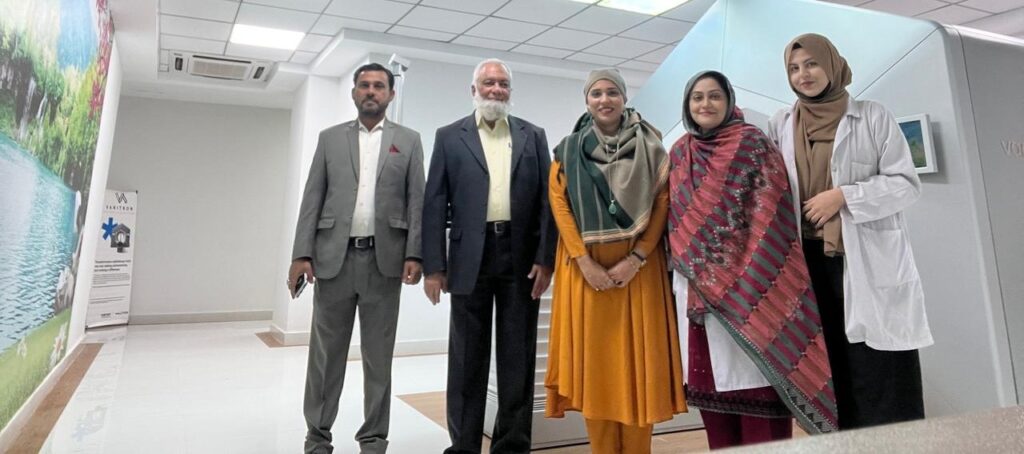
Patient comfort and safety have also been prioritised. The system features a couch that lowers to assist positioning, quieter operational motion, a couch-mounted camera and an intercom to maintain communication between patients and therapists. Safety mechanisms include collision-avoidance technology, a six-point verification approach and a rapid daily performance check designed to ensure consistent treatment accuracy.
Health experts say the expansion is a critical step in strengthening public-sector oncology services in Pakistan, where demand for radiotherapy continues to rise alongside the national cancer burden.