Special Correspondent
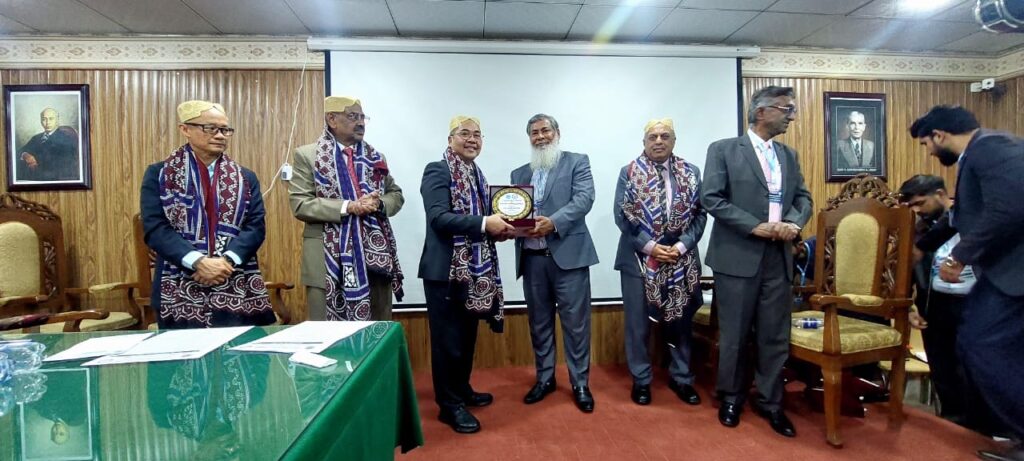
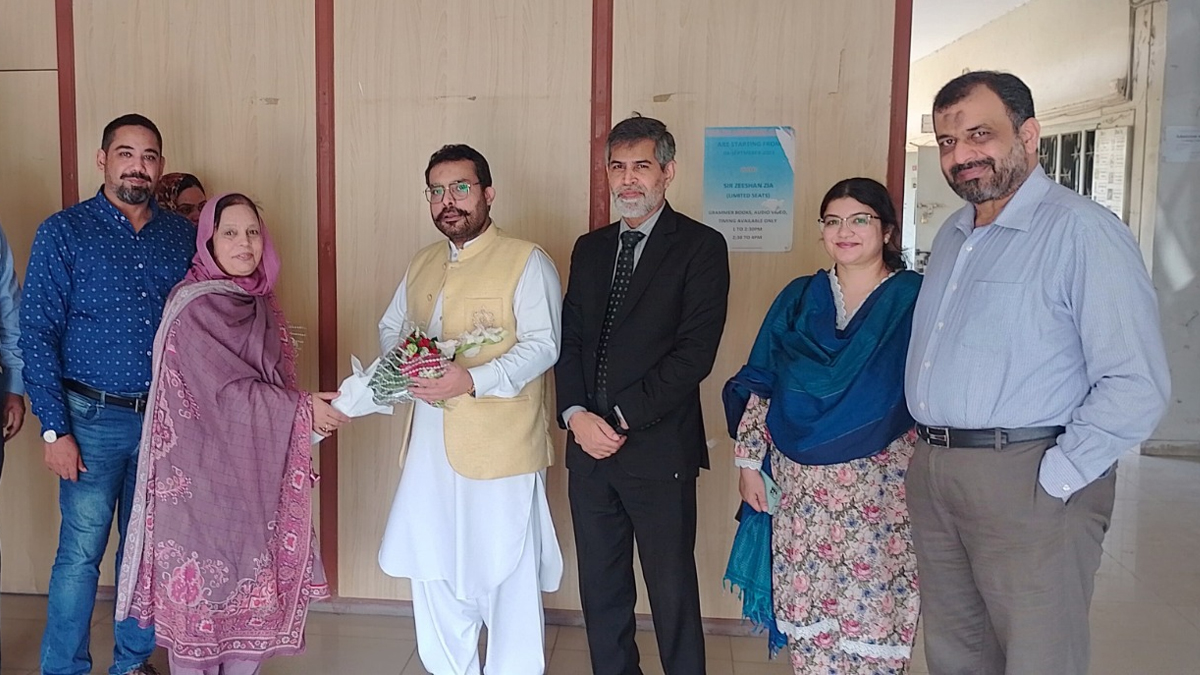
Nawabshah: The Consul General of the Republic of Indonesia in Karachi, Mudzakir, has called for stronger trade, investment and climate cooperation between Indonesia and Pakistan during an official visit to the Shaheed Benazirabad Chamber of Commerce and Industry (SBCCI) and Quaid-e-Awam University of Engineering, Science and Technology (QUEST).
At the SBCCI office, the consul general was received by SBCCI President Dr. Muhammad Ayyub and around 35 local business leaders and entrepreneurs. The meeting focused on expanding bilateral economic ties, particularly in tourism, investment and trade development.
Mudzakir encouraged greater business-to-business engagement and said Indonesia was keen not only to export products to Pakistan but also to import competitive Pakistani goods. He urged local entrepreneurs to identify exportable items from the region, including cotton and textiles, rice and other agricultural commodities, leather products, dates, processed foods, and industrial and engineering supplies.


He said Indonesia could offer palm oil and food-processing inputs, pharmaceutical and healthcare products, automotive parts and machinery, construction materials, and cooperation in tourism and infrastructure development. Both sides agreed that sustainable partnerships would require long-term commitment, trust and professional collaboration.
During the visit, the consul general also presented tokens of appreciation to SBCCI members who had participated in Trade Expo Indonesia 2025, reaffirming Jakarta’s support for deeper institutional and commercial links between chambers of commerce in both countries.
Separately, Mudzakir attended as chief guest and delivered the keynote address at the 2nd International Symposium on Climate Change and Environmental Sustainability at QUEST Nawabshah. The event brought together academics, policymakers, engineers and environmental experts to discuss the growing impact of climate change on vulnerable regions such as Sindh.
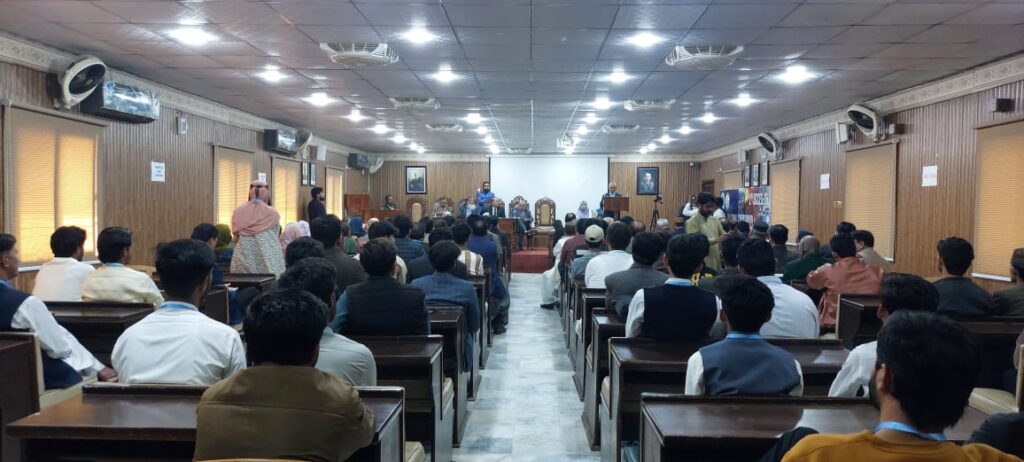

In his address, he described climate change as both a development and economic challenge, noting that its effects extend beyond the environment to energy security, economic stability and social resilience. He referred to Pakistan’s recent floods, heatwaves, water stress and agricultural disruption as evidence of the urgent need for collective action.
Drawing parallels with Indonesia, the world’s largest archipelagic nation, he said his country also faces rising sea levels, extreme weather and pressures on food and water systems. He outlined Indonesia’s target of achieving net-zero emissions by 2060 or earlier and reducing emissions by up to 43.2 per cent by 2030, subject to international cooperation.
Mudzakir highlighted initiatives such as the Just Energy Transition Partnership (JETP), large-scale mangrove rehabilitation, forest protection measures and community-based resource management as examples of balancing environmental protection with economic growth and livelihoods. He also cited investments in early-warning systems, climate-resilient infrastructure, carbon markets and green finance instruments.
He stressed the importance of South-South cooperation, urging developing countries with shared vulnerabilities to collaborate on sustainable solutions, including renewable energy, climate-smart agriculture and disaster preparedness.
The visit, officials said, reflects Indonesia’s broader economic diplomacy aimed at building inclusive partnerships with regional business hubs across Pakistan.