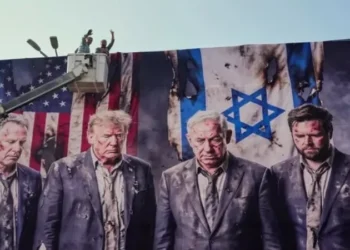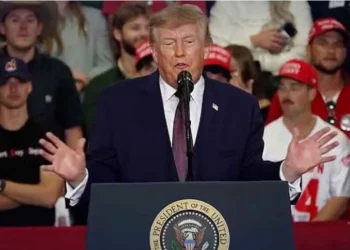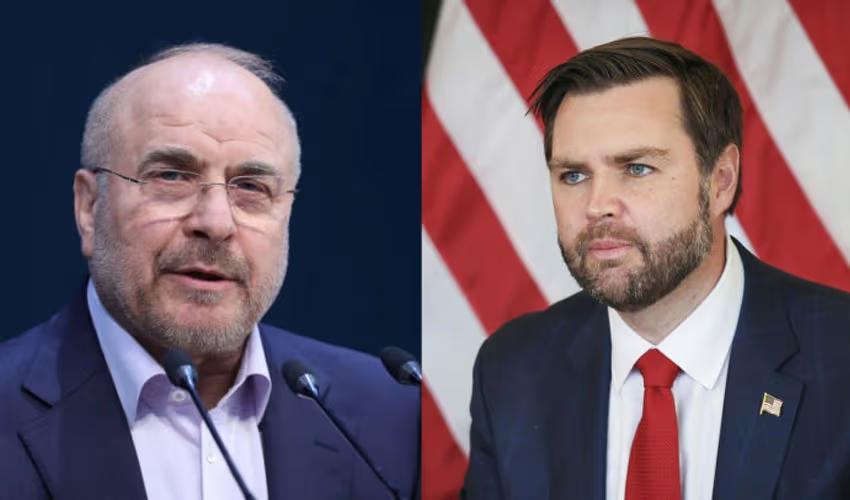
Iranian Parliament Speaker Mohammad Bagher Ghalibaf has criticised the Trump administration’s approach to Israel, asking why US Vice President JD Vance does not address his concerns directly with the president.
In a post on X on Thursday, Ghalibaf compared the United States to a gambler who continues losing but cannot leave the table.
“America gives the impression of a gambler who keeps losing but can no longer walk away from the gambling table,” he wrote.
Addressing Vance, Ghalibaf questioned Washington’s priorities, suggesting that the United States was putting Israel first as Trump prepared for what he described as the next phase of the war.
“Setting aside this TED Talk, why don’t you say these things to your boss?” Ghalibaf asked.
Ghalibaf Responds to Vance’s Election Analysis
Ghalibaf’s remarks followed a lengthy post by Vance analysing the Republican Party’s performance in the recent US midterm elections.
Vance argued that low voter turnout alone could not explain the party’s electoral setbacks. He said some voters who had supported Trump and him in the 2024 presidential election had backed Democratic candidates this time.
US Weighs Renewed Military Strikes on Iran as Qatar Pushes for Diplomatic Deal
The vice president also referred to a poll asking dissatisfied Trump voters what could persuade them to support Republicans again.
According to Vance, the leading concerns included ending the war, tackling the rising cost of living and inflation, prioritising American interests, and changing Washington’s relationship with Israel.
US Policy Towards Israel Faces Scrutiny
Vance’s comments have highlighted the domestic political implications of the Trump administration’s foreign policy, particularly its handling of the conflict involving Iran and its relationship with Israel.
Ghalibaf seized on the vice president’s remarks to question the administration’s priorities and challenge Vance to raise his concerns directly with Trump.
His response adds to the public debate over the political and domestic consequences of US policy towards Israel and the ongoing conflict involving Iran.