Engro Vopak and S&P Global Energy will assess Pakistan’s first refrigerated LPG import and storage facility to strengthen energy security and meet rising fuel demand.
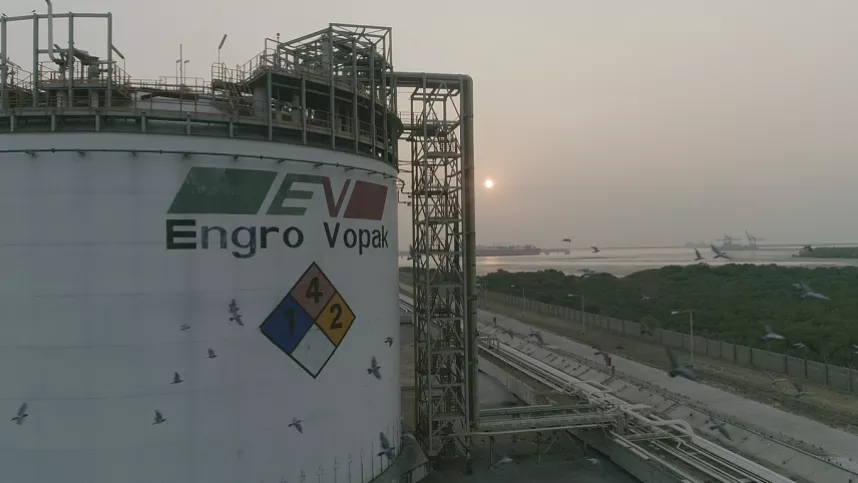
Engro Vopak Terminal Limited has partnered with S&P Global Energy to conduct a feasibility study for expanding Pakistan’s liquefied petroleum gas (LPG) infrastructure. The study will assess the development of the country’s first refrigerated LPG import and storage facility to improve energy security and strengthen supply chains.
The partnership combines Engro Vopak’s experience in Pakistan’s energy sector with S&P Global Energy’s market expertise. Together, the companies aim to evaluate infrastructure that can support the country’s growing demand for LPG.
Pakistan’s reliance on LPG has increased as domestic natural gas production continues to decline. At the same time, demand from households, businesses and industries has steadily grown. Consequently, the need for larger import capacity and additional storage has become more urgent.
Under the proposed project, Engro Vopak will examine the feasibility of refrigerated LPG storage and import facilities. The infrastructure would allow Pakistan to receive larger cargo shipments, expand storage capacity and improve access to international LPG markets. Moreover, it would create a more flexible and reliable supply chain.
Syed Ammar Shah, Chief Executive Officer of Engro Vopak Terminal Limited and Engro Elengy Terminal Limited, said stronger LPG supply chains will play an increasingly important role as Pakistan’s energy landscape changes.
He added that the partnership combines the global expertise of Royal Vopak of the Netherlands with Engro’s engineering capabilities and local market knowledge. As a result, the project could strengthen Pakistan’s energy security while supporting sustainable economic growth.
Shah also noted that many developed economies already use refrigerated LPG infrastructure. Therefore, the study will help determine how Pakistan can adopt similar systems to improve its long-term energy resilience.
Pakistan’s LPG market has expanded steadily over the past three decades. According to data from the Hydrocarbon Development Institute of Pakistan (HDIP), the sector has recorded an average annual growth rate of about 0.5%. Meanwhile, LPG imports have risen as domestic production has declined.
The fuel has become an important energy source for residential, commercial and industrial users. Total LPG consumption has reached 1.29 million tonnes of oil equivalent, reflecting sustained growth across all major sectors.
However, domestic production has faced repeated setbacks because of declining output from the Dhodak gas field, maintenance shutdowns and technical issues. The COVID-19 pandemic also disrupted production in 2020.
Currently, Pakistan has 11 LPG producers, 216 marketing companies and more than 7,000 authorised distributors. According to HDIP, LPG accounts for around 1.3% of the country’s overall fuel mix.