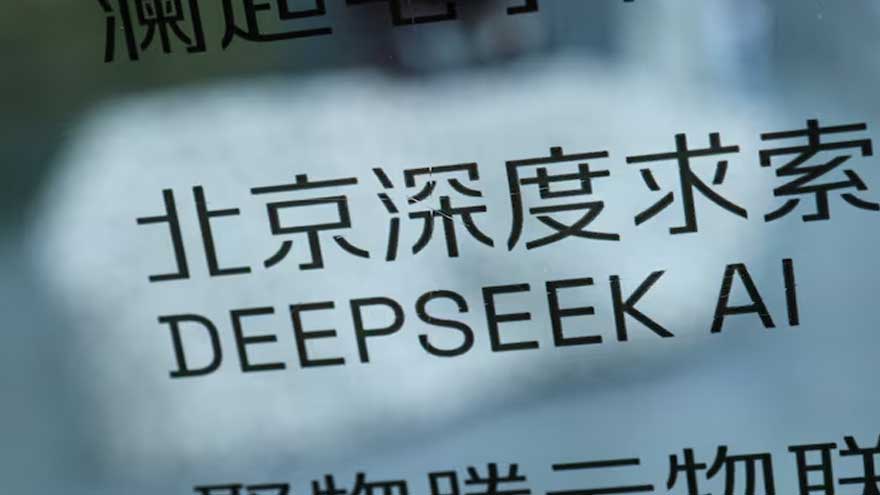
DeepSeek IPO plans have moved into focus after reports said the Chinese artificial intelligence startup is preparing a new fundraising round and exploring a stock market listing in mainland China.
ICC World Cup Format New 2027 Structure Could Increase India-Pakistan Matches
According to people familiar with the matter, DeepSeek aims to secure up to 50 billion yuan in fresh funding. The round could value the Hangzhou-based company at about 500 billion yuan ($74 billion).
Meanwhile, the reported fundraising follows the company’s June financing round, which raised $7.4 billion. That deal valued DeepSeek at around 450 billion yuan after the investment.
Sources also said the company has started preliminary discussions about listing on Shanghai’s STAR Market. DeepSeek has reportedly set an internal goal of filing for an initial public offering before the end of the year. However, the fundraising and IPO plans remain at an early stage and could still change.
The latest move reflects growing investor confidence in one of China’s fastest-growing AI companies. At the same time, it highlights the rising cost of developing advanced artificial intelligence models, data centres and high-performance computing infrastructure.
DeepSeek attracted global attention in 2025 after launching low-cost AI models that competed with leading U.S. systems. The company claimed its models required significantly lower training and operating costs.
Following the June funding round, DeepSeek announced plans to double its workforce. The company intends to expand its data centre operations and accelerate AI agent development.
Reuters also reported that DeepSeek is developing its own AI inference chip. In addition, the company has increased recruitment of semiconductor design engineers to support the project.
Founder Liang Wenfeng initially financed DeepSeek through his quantitative hedge fund High-Flyer. Later, the startup attracted outside investment from major companies, including Tencent, CATL, NetEase, JD.com and China’s national AI fund. The investment reflects Beijing’s broader strategy to build globally competitive domestic AI companies.