Rubina Khan
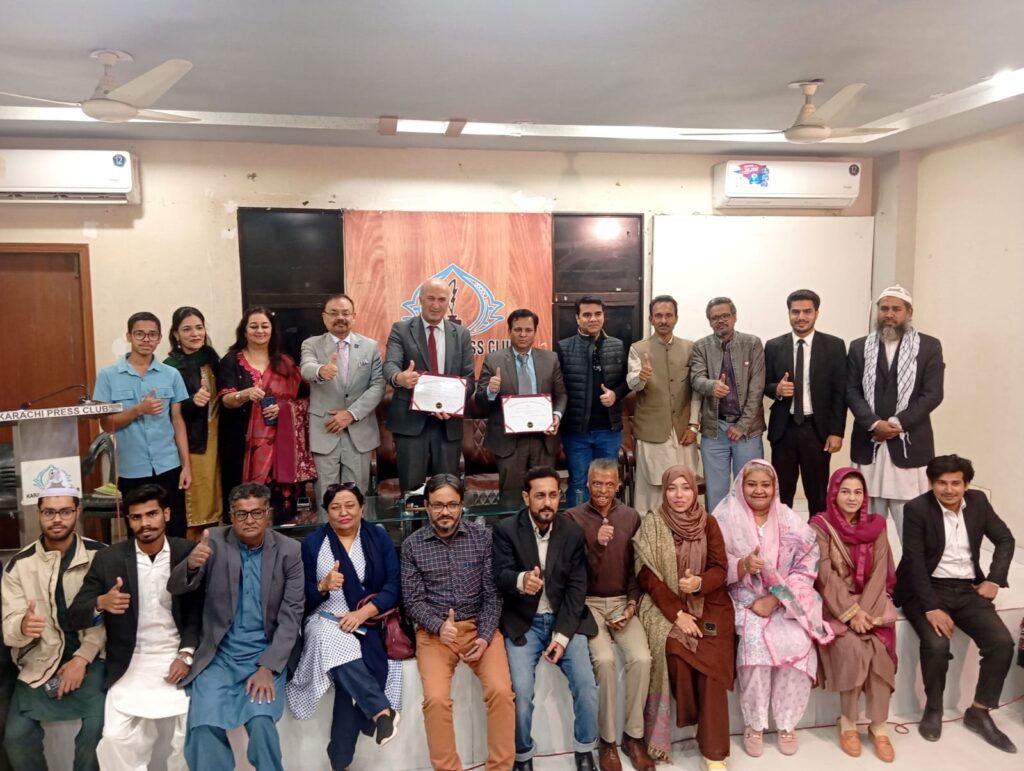
Karachi: Chairman of the Gerontology and Geriatrics Department at Ibni Sina Institute, Istanbul, Dr Kemal Aydin, on Friday unveiled a comprehensive strategy aimed at reshaping how society supports an ageing population, presenting a 10-year vision for Pakistan and the wider Asia-Pacific region at a press conference in Karachi.
A shift in how ageing is viewed
Speaking at the event, Dr Aydin said the Age Friendly Pakistan 2026–2035 strategy marked a turning point in national thinking on ageing, health and social care. He stressed that older citizens should not be seen as a burden, but as an integral part of national development whose wellbeing directly impacts economic and social progress.
National roadmap for health and ageing
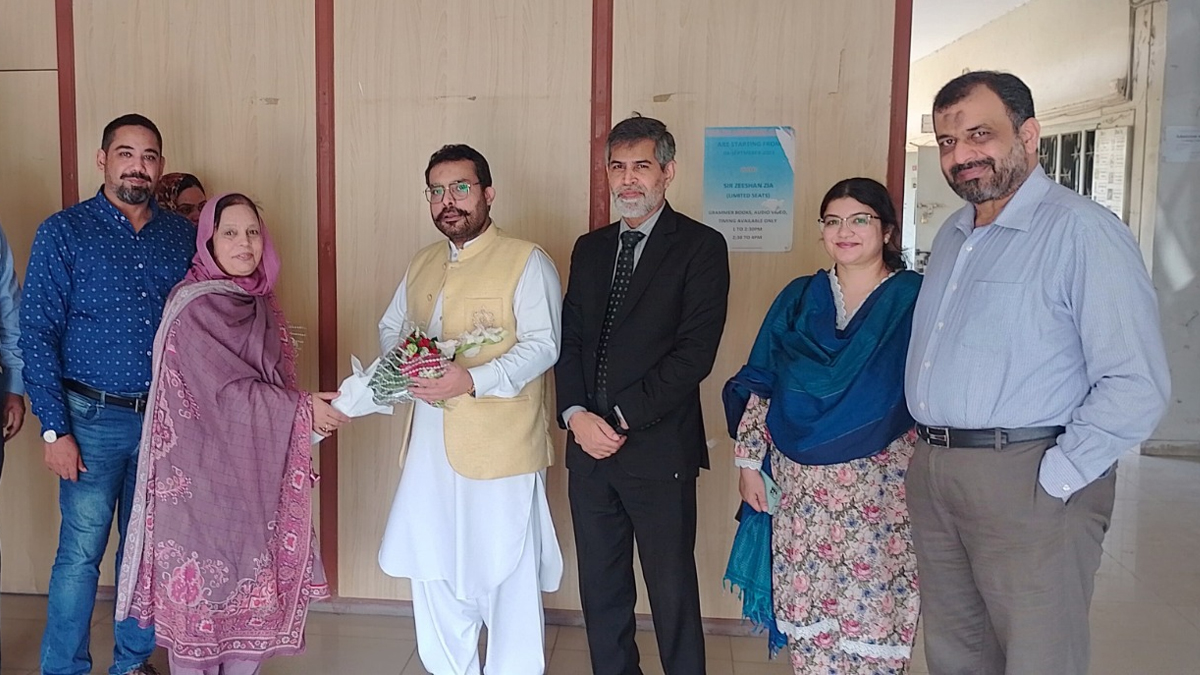
The press conference, hosted by Daily Metro Morning, brought together government officials, health professionals, researchers, civil society members and media representatives. Dr Aydin presented the National Council on Health and Ageing Vision 2026–2035, outlining a roadmap to build a healthier, more inclusive and age-friendly society through coordinated health, social and economic policies.
Global alignment and policy support
Editor Metro Morning Ehtasham Anwar said Pakistan would work closely with international bodies, including the World Health Organization and the United Nations, to adopt evidence-based ageing policies aligned with global standards. He described the initiative as the country’s first structured and sustainable national effort to address ageing as a long-term policy priority.
Health, cities and quality of life
Renowned cardiologist Dr Akram Sultan said the proposed strategy had the potential to improve health and wellbeing across all age groups, while making cities safer and more accessible for older adults. He added that coordinated planning could enhance both life expectancy and quality of life through stronger health systems and social support.
Learning from global experience
Dr Aydin said the strategy focused on health, longevity, urban design and social support systems—areas he noted had long been neglected in public policy. He said the plan drew on international experience while responding to Pakistan’s demographic realities, citing examples such as community-based elder care in Japan and age-friendly urban planning in Singapore.