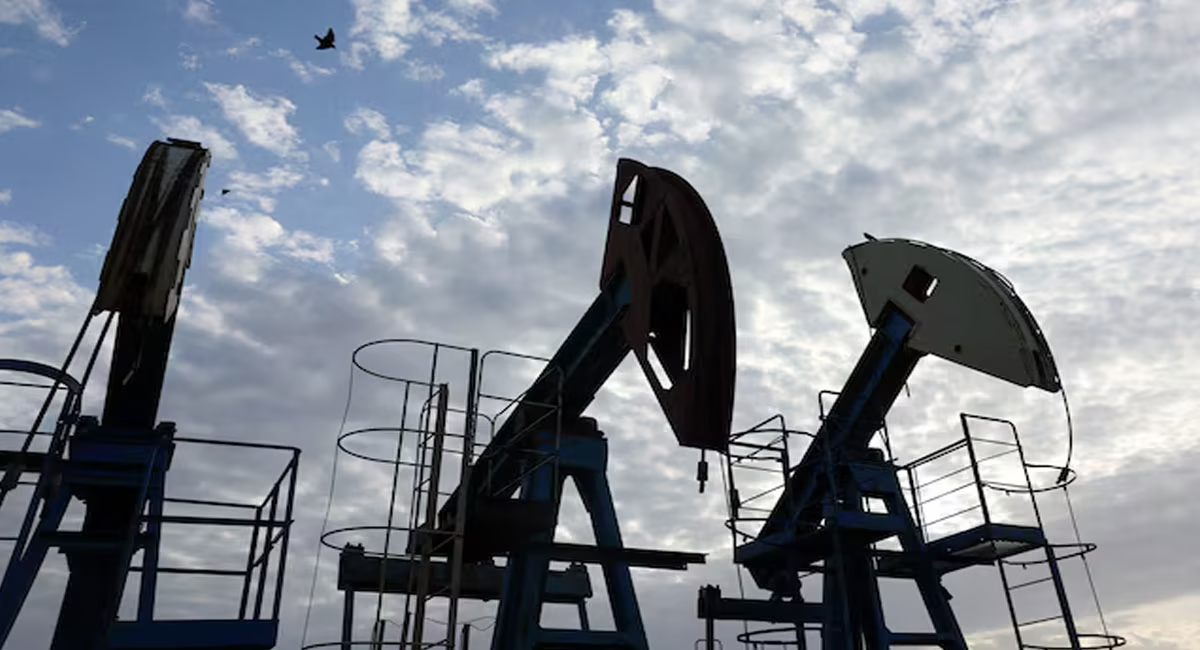
Global oil prices declined for a fourth consecutive day on Thursday as investors assessed whether the Republican Party’s losses in US congressional elections could reduce the likelihood of further escalation in the US-Israeli war on Iran.
Brent crude futures fell 97 cents, or 1.03%, to $93.65 per barrel as of 0211 GMT. US West Texas Intermediate (WTI) crude futures dropped $1.14, or 1.29%, to $86.98.
Two sources close to Gulf government circles said on Wednesday that President Donald Trump, facing a potentially more constrained political position, could have greater incentive to pursue an agreement with Iran. They added that a full-scale assault on Iran now appeared less likely.
Markets Anticipate Possible Diplomatic Progress
A resolution to the conflict could help restore Middle Eastern oil supplies disrupted by the war. However, analysts cautioned that the path towards an agreement remained uncertain.
“Markets are assessing the impact of the midterm elections to Donald Trump’s next steps with the Iran war, pricing in more likelihood for the war to end,” said June Goh, senior oil analyst at Sparta Commodities.
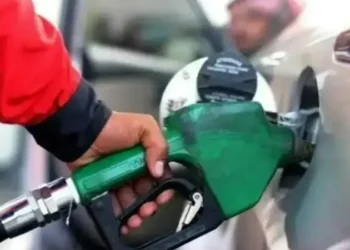
OGRA Cuts Petrol Price by Rs7.06 and Diesel by Rs3.71 for One Day
She warned that volatility could continue because diplomatic efforts still faced significant uncertainties and global strategic reserves had become severely depleted.
Strait of Hormuz Shipments Recover
Analysts said crude shipments through the Strait of Hormuz, a critical waterway for Gulf oil exports, had recovered to levels close to those recorded before the war, although transportation costs remained higher.
According to a JPMorgan note issued on Wednesday, the resumption of Gulf oil supplies had pushed the global market back into surplus following months of disruption.
JPMorgan estimated that the market returned to a surplus of 1.1 million barrels per day in September, increasing to 1.4 million barrels per day in October. The October figure was close to last year’s average surplus of 1.3 million barrels per day.
Analysts Warn Oil Prices Could Rebound
Despite the recent decline, market experts questioned whether lower prices would last.
“The short answer is no,” said Mukesh Sahdev, chief executive of energy consultancy XAnalysts, when asked whether oil prices were likely to remain lower following the US elections.
Sahdev said geopolitical risks remained difficult to predict. He also noted that the incoming Congress would not take office until January, meaning the election results had not immediately changed Washington’s policy options.
He further warned that commercial oil inventories in major consuming countries were near their lowest levels in 15 years and suggested Iran could emerge from the US election outcome with greater resolve.
US Oil and Fuel Inventories Decline
Adding to market uncertainty, US crude oil, gasoline and distillate inventories all declined last week, according to the Energy Information Administration.
The agency also reported that US oil demand had reached its highest level in a year, providing another factor that could influence prices despite improving global supply conditions.