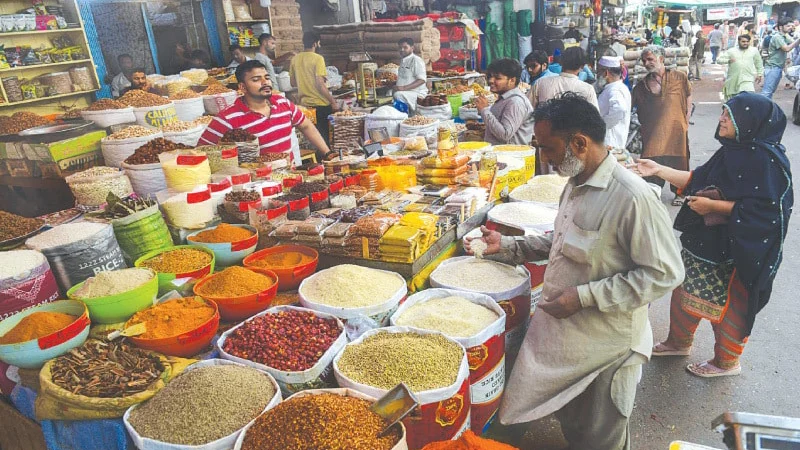
Pakistan’s annual inflation rate slowed to 9.61% in October, down from 10.26% in September, but remained higher than analysts’ expectations, according to official data released on Monday.
The Consumer Price Index (CPI) increased 9.61% year-on-year, exceeding the median forecast of 9.5% in a Bloomberg survey. Inflation stood at 6.25% in October 2025.
Core inflation, which excludes volatile food and energy prices, also eased to 7.8% in October from 8.6% in September. However, the rate remained above the 7.5% recorded in the same month last year.
Inflation Rises During First Four Months of FY2027
Average consumer prices increased 10.05% during the first four months of the fiscal year 2027, which began in July, compared with the corresponding period a year earlier.
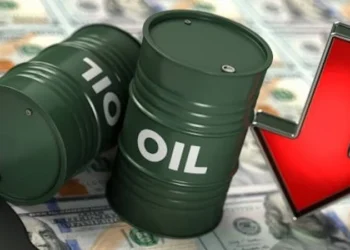
Oil Prices Fall More Than 3% as Iran-Qatar Talks Raise Hopes of Diplomatic Progress
The increase was significantly higher than the 4.79% average inflation recorded during the first four months of the previous fiscal year.
The latest figures indicate that although monthly inflationary pressure eased in October, price increases remained elevated compared with the previous fiscal year.
State Bank Raises Policy Rate to 12%
The State Bank of Pakistan (SBP) last week increased its key policy rate by 50 basis points to 12%, marking its first rate hike since April.
The central bank attributed the decision to persistent inflationary pressures, particularly higher energy costs linked to the conflict in the Gulf region.
The Monetary Policy Committee (MPC) said escalating tensions in the Middle East and limited prospects of an early resolution were keeping international energy prices elevated.
It noted that the domestic economy had so far contained much of the impact through proactive monetary policy adjustments and continued fiscal discipline. However, worsening geopolitical developments had increased risks to the inflation outlook.
“While the impact of this global shock on the domestic economy has remained contained so far amidst proactive monetary policy adjustment and continued fiscal discipline, geopolitical developments have worsened the inflation outlook as compared to the earlier assessment,” the MPC said.
SBP Seeks to Keep Inflation Within 5-7% Target
The committee said the policy rate increase was necessary to prevent inflation expectations from rising and to limit the broader impact of the ongoing supply shock.
“Considering these developments and the evolving risks, the MPC deemed today’s decision as necessary to keep inflation expectations anchored, contain second-round effects of the ongoing supply shock and bring inflation within the target range of 5-7%,” the committee said.
It added that maintaining price stability would help preserve macroeconomic stability, which remains essential for sustainable economic growth.
Foreign Reserves Remain Stable at Around $21 Billion
The MPC also highlighted several developments supporting Pakistan’s economic outlook.
Foreign exchange reserves remained stable at approximately $21 billion, while Pakistan had reached a staff-level agreement with the International Monetary Fund (IMF).
The committee also noted that the country’s real gross domestic product growth estimate had been revised to 3.7%, broadly unchanged from the initial assessment.
Despite these indicators, the SBP cautioned that geopolitical uncertainty and elevated global energy prices had increased risks to the inflation outlook.