Karachi Chamber of Commerce & Industry (KCCI) President Talat Mahmood has strongly opposed the State Bank of Pakistan’s (SBP) decision to raise the policy interest rate by 50 basis points from 11.5% to 12%, warning that the move could increase the cost of doing business, discourage private-sector investment and undermine economic growth.
Expressing serious concern over the decision, Mahmood said prevailing inflationary pressures were largely driven by rising energy and fuel prices, geopolitical uncertainty, supply-chain disruptions and higher prices of essential commodities rather than excessive domestic demand.
Under these circumstances, he argued, raising interest rates would place an additional burden on businesses without directly addressing the underlying causes of inflation.
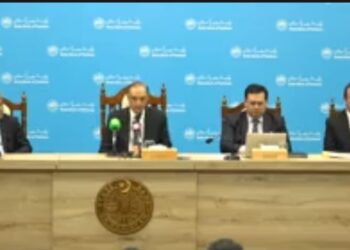
SBP Raises Policy Rate by 50 Basis Points to 12% Amid Inflation Risks
“The business community is deeply concerned over this decision, as Pakistan’s industrial and commercial sectors are already struggling with high electricity and gas tariffs, expensive raw materials, heavy taxation, rising transportation costs and limited access to affordable financing,” he said.
He added that raising the policy rate to 12% would increase borrowing costs, making it more difficult for businesses to sustain operations, expand production and undertake new investments.
Mahmood emphasised that higher interest rates could neither lower international oil prices nor reduce energy tariffs or resolve supply-chain disruptions. Instead, he said, more expensive financing could raise production costs, potentially increasing the prices of domestically manufactured goods and weakening the competitiveness of Pakistani products in international markets.
“At a time when Pakistan needs to strengthen its productive capacity, attract investment, generate employment and accelerate export-led growth, increasing the policy rate sends the wrong signal to businesses planning to invest and expand,” he said.
The KCCI president urged policymakers to adopt a balanced, growth-oriented approach that addresses inflation without compromising industrial development, business sustainability and the country’s long-term economic prospects.