By Zahid H. Karani
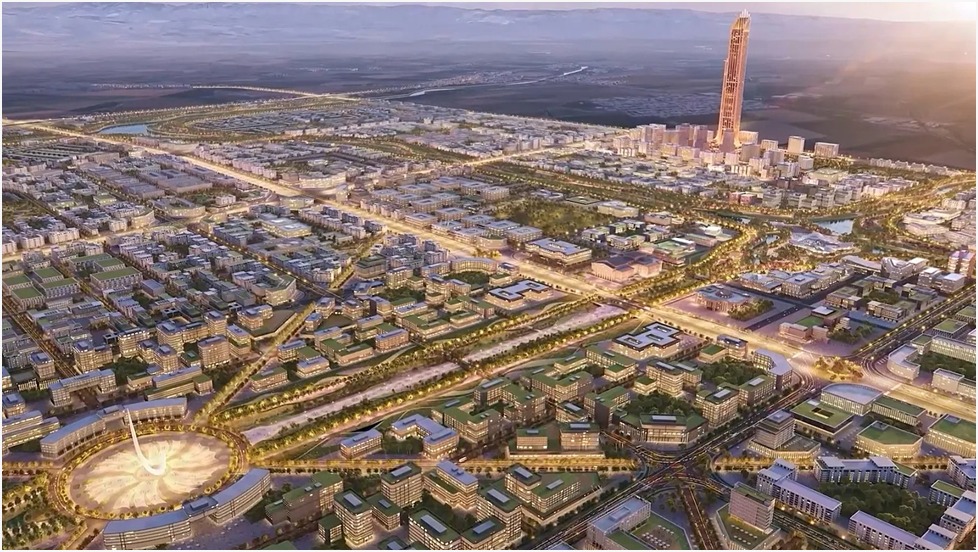
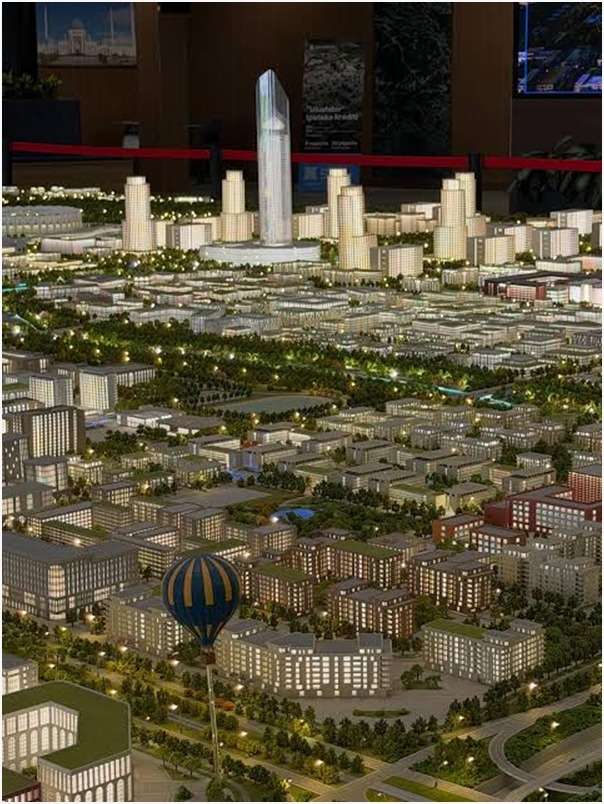
TASHKENT, Uzbekistan: New Tashkent, a city under construction near Uzbekistan’s capital, is emerging as one of the country’s most significant urban development projects. The initiative aims to improve living standards, strengthen economic potential, introduce innovative technologies and create an environmentally sustainable urban environment.
Construction began three years ago, with the project designed around modern infrastructure, safety, green spaces and advanced building standards. A total of 20,000 hectares has been allocated for the new city, while projects worth a combined $50 billion are planned across 6,000 hectares during the first phase.
Environmental sustainability is a central feature of the development. Plans include 2,000 hectares of green spaces and 500 hectares of recreational parks. The city is also expected to accommodate 150 million square metres of residential and non-residential floor space, creating space for homes, businesses and public facilities.
Major Infrastructure and Facilities Take Shape
Construction and development work worth approximately $2 billion has been carried out in New Tashkent, according to the project details. Residential buildings, universities, a library and an amphitheatre have been constructed as part of the emerging urban landscape.
Seven facilities with a combined value of $1 billion have also been commissioned. These include the first phase of the Sharq Bahori residential complex, roads and infrastructure, an electrical substation, a trigeneration plant, the Chamber of Commerce and Industry building, Sohil Park and a comprehensive school with capacity for 2,000 students.
The projects are intended to establish the essential infrastructure required for a functioning city, supporting residential communities as well as education, business and public services.
A New Economic and Residential Centre
New Tashkent is intended to become more than a residential development. Its long-term vision is to establish an economic hub bringing together business, education, healthcare, tourism and services.
Achieving this ambition will depend on attracting investment, supporting entrepreneurship and ensuring that essential services become available as the population grows.
By the end of the year, 20,000 residential units are scheduled to be completed, creating a new living environment for at least 70,000 people. Alongside housing, the development places emphasis on educational institutions, healthcare facilities, sports centres, shopping areas and recreational spaces.
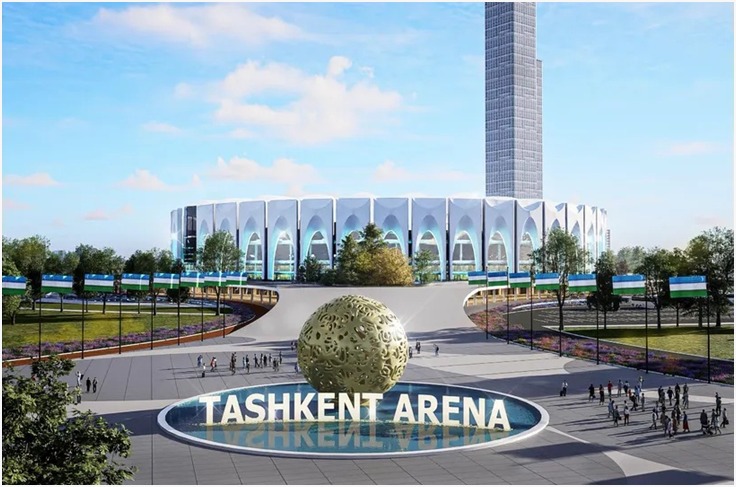
Plans also include a 55,000-seat stadium designed to meet FIFA requirements. The facility is expected to strengthen New Tashkent’s capacity to host sporting competitions and international events.
Investment Opportunities for Pakistani Businesses
New Tashkent offers potential opportunities for domestic and international investors across a range of sectors. These include modern residential complexes, retail and service facilities, educational and medical institutions, tourism, logistics and innovative technologies.
The development presents opportunities for businesses seeking to participate in Uzbekistan’s expanding urban infrastructure and contribute to the creation of a new economic centre.
Domestic and foreign entrepreneurs are being invited to explore investment projects, establish mutually beneficial partnerships and make use of the city’s planned infrastructure and business environment.
Investment in these sectors could support economic activity, create employment opportunities and contribute to improved living standards for future residents.
Representatives of Pakistan’s business community interested in investing in New Tashkent can visit the official project website at newtashkent.uz to obtain information about available investment lots.
They may also contact the Embassy of Uzbekistan in Pakistan by email at uzbekembassy@gmail.com to submit questions and proposals.
Building for Uzbekistan’s Future
New Tashkent represents Uzbekistan’s broader ambition to modernise its urban environment, expand economic opportunities and integrate sustainability into future development.
Its success will depend not only on completing buildings and infrastructure but also on creating a liveable city with accessible public services, a strong business environment and opportunities for residents and investors.
For Pakistani businesses, the project provides a potential avenue to explore cross-border partnerships and investment opportunities in Uzbekistan.
New Tashkent is therefore envisioned not simply as a collection of new buildings and residential complexes, but as a long-term development project intended to shape the country’s urban and economic future.