The World Meteorological Organization (WMO) has warned that a rapidly strengthening El Niño could become one of the strongest events since at least 1950.
The UN weather agency said the event is expected to peak around December. It also has a near-100% chance of continuing through February 2027.
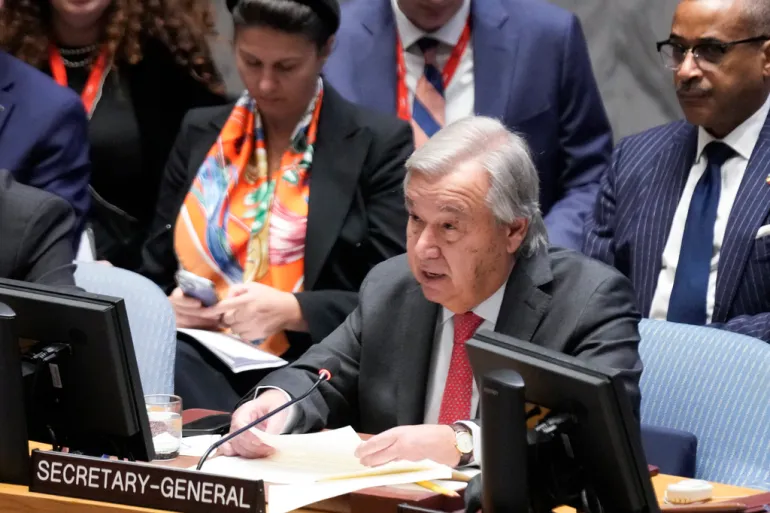
WMO Secretary-General Celeste Saulo said El Niño was “firmly established and strengthening rapidly”. She warned that it could become one of the strongest events observed since 1950.
Pacific Temperatures Could Reach Record
The latest WMO Global Seasonal Climate Update forecasts exceptional warming in the central and eastern equatorial Pacific.
The seasonal average sea-surface temperature anomaly in the Niño 3.4 region is expected to reach about 3.7°C above normal between October and December.
Pakistan, Bahrain Agree to Boost Trade and Finalise GCC Free Trade Deal
WMO said this would be the highest level recorded since observations began. The previous record was 2.6°C above normal during November 2015 to January 2016.
The Niño 3.4 anomaly had already risen from 1.6°C above normal in June to 2.5°C in August.
WMO expects the warming trend to peak around December.
Higher Risk of Extreme Weather
El Niño is expected to push temperatures above normal across large parts of the world.
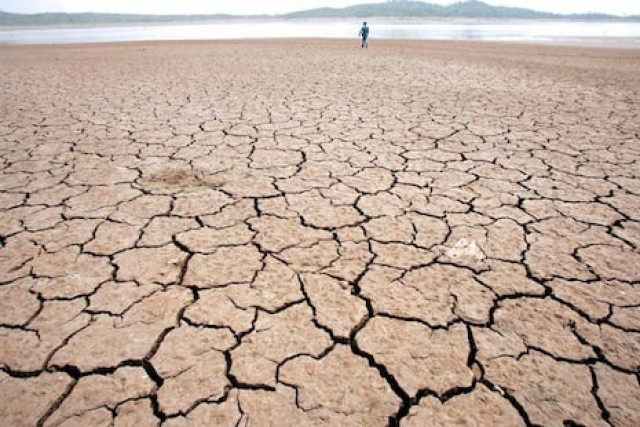
The climate pattern can also cause major shifts in rainfall. These changes can increase the risk of drought in some regions and flooding in others.
WMO forecasts wetter-than-normal conditions in parts of the Greater Horn of Africa, Central Asia and East Asia.
Northern parts of the Arabian Peninsula and parts of North America are also expected to see wetter conditions.
Southeastern South America is another region where above-normal rainfall is more likely.
In contrast, drier conditions are forecast across the Indian subcontinent, southern Central America and parts of the Caribbean.
Northwestern South America is also expected to experience drier-than-normal conditions.
WMO stressed that these are seasonal climate signals. They do not replace national or local weather forecasts.
Warmest Ocean on Record
Saulo said El Niño does not create additional heat in the climate system.
Instead, the phenomenon releases heat stored in the ocean.
She warned that the ocean feeding the current El Niño is the warmest ever measured. This means more heat is available to influence global weather patterns.
The WMO also noted that global ocean temperatures reached an all-time observed high in August.
The combination of El Niño and unusually warm oceans could amplify climate impacts in different parts of the world.
Governments Urged to Prepare
The WMO said national meteorological services and regional climate forums are providing regular updates to governments and humanitarian organisations.
The information is intended to support early preparedness and risk management.
The agency said its members are working to reduce the potential impacts of El Niño across sectors including agriculture, health and disaster management.
WMO also warned that the strength of El Niño alone does not determine the severity of impacts in any particular country. Local effects depend on geography, season and other climate drivers.
The latest forecast means the coming months could bring significant changes in global temperature and rainfall patterns as the El Niño event approaches its expected December peak.