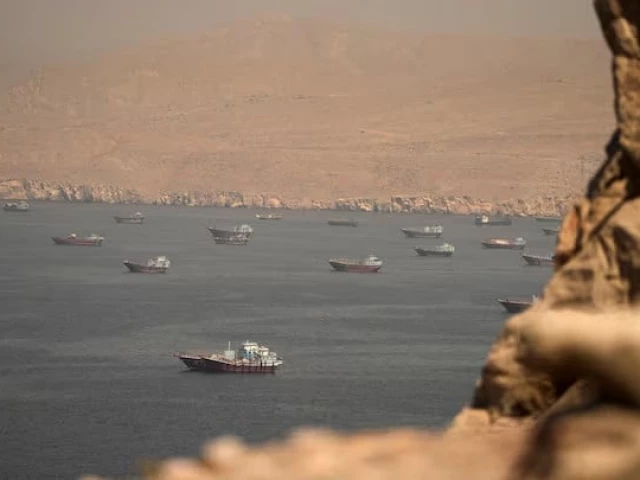
Iran has said the Strait of Hormuz will remain closed until the United States meets seven conditions agreed under a June interim arrangement, Iranian Parliament Speaker Mohammad Bagher Ghalibaf said on Sunday.
Ghalibaf said Tehran had received a US response to its latest diplomatic proposal. He accused Washington of continuing to make unilateral demands through intermediaries.
“The Strait of Hormuz will not be opened until our seven conditions … are met,” Ghalibaf said, according to Iranian media. The conditions are based on what Tehran calls the Islamabad Memorandum of Understanding.
The remarks came as Washington and Tehran continued indirect contacts aimed at ending the conflict. Qatar has been involved in mediating between the two sides, while Iran says its main focus is securing the Strait of Hormuz.
Iran Keeps Diplomacy and Military Options Open
Ghalibaf said Iran was prepared for both negotiations and further confrontation.
“We are present in the military battlefield with all our strength,” he told parliament, according to Iranian media. He also said Tehran would continue using diplomacy to defend what it considers the rights of the Iranian people.
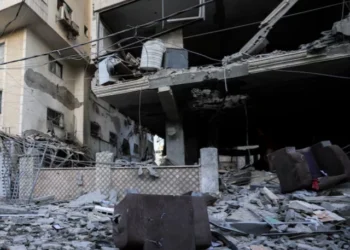
Israel Says Hamas Leader Ali al-Amoudi May Have Survived Gaza Strike
Iranian Foreign Minister Abbas Araghchi separately said there was no military solution to the conflict with the United States.
“There is no military solution, nor any solution based on new sanctions,” Araghchi said at a meeting with foreign ambassadors, according to Anadolu.
He warned that Iran would respond more forcefully if its opponents resumed military action.
The comments reflect the continuing gap between the two sides. Iran has signalled openness to negotiations but insists that Washington must first address its demands. The United States, meanwhile, continues to maintain pressure on Tehran.
US Says Hormuz Blockade Remains in Place
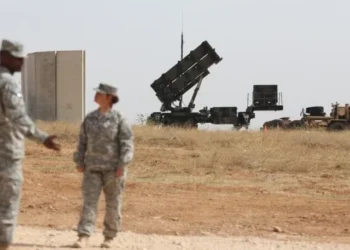
US Defence Secretary Pete Hegseth said Washington’s blockade of the Strait of Hormuz remained “ironclad”.
Hegseth warned that US President Donald Trump had several options if Iran continued to obstruct shipping through the waterway.
Trump has also said he is considering whether to pursue a diplomatic settlement or take a tougher approach against Tehran. His administration continues to demand that Iran abandon any effort to develop nuclear weapons.
Trump said on Saturday that Iran had “virtually given up” plans for nuclear weapons. Iran has consistently denied seeking nuclear weapons and says its nuclear programme has peaceful purposes.
Iran Expands Civilian Military Training
Amid the tensions, Iran’s army has launched a programme to provide basic military training to civilian volunteers.
The programme, known as Janfada, began at three designated facilities in Tehran, according to the West Asia News Agency.
Brigadier General Mohammad Reza Alian-Nejad said personnel from Iran’s four army branches would provide volunteers with basic military instruction. Participants could later move to more advanced training.
The programme is intended to prepare participating civilians for what Iranian authorities describe as national defence.
Hormuz Remains Central to the Conflict
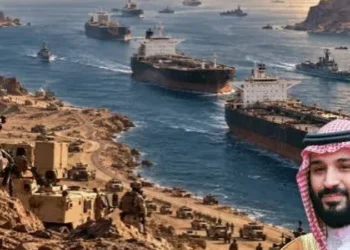
The Strait of Hormuz has become a major point of contention in the Iran-US conflict.
Iran has linked the reopening of the waterway to the fulfilment of its conditions. Washington, meanwhile, has maintained military pressure and sought to restore commercial traffic through the strategic passage.
The latest diplomatic efforts have so far failed to produce a breakthrough. Iranian officials say Tehran has received Washington’s response but that important differences remain.
For now, both sides continue to signal that diplomacy remains possible while preparing for further confrontation.