Pakistan is heading into the Rabi season with an estimated 25 per cent water shortage, raising concerns about wheat production and food security after the country already recorded a significant wheat shortfall last season.
The Rabi season begins on October 1 and runs through March 31, with wheat accounting for the largest share of crops grown during the period. Gram, lentil, tobacco, rapeseed, barley and mustard are among the other major Rabi crops.
The country faced no water shortage during the previous Rabi season, but wheat production was still estimated at around 27.5 million tonnes against a target of 29.7 million tonnes and consumption requirements of 31.9 million tonnes. The government subsequently ordered the import of one million tonnes of wheat, including 750,000 tonnes in the first phase.
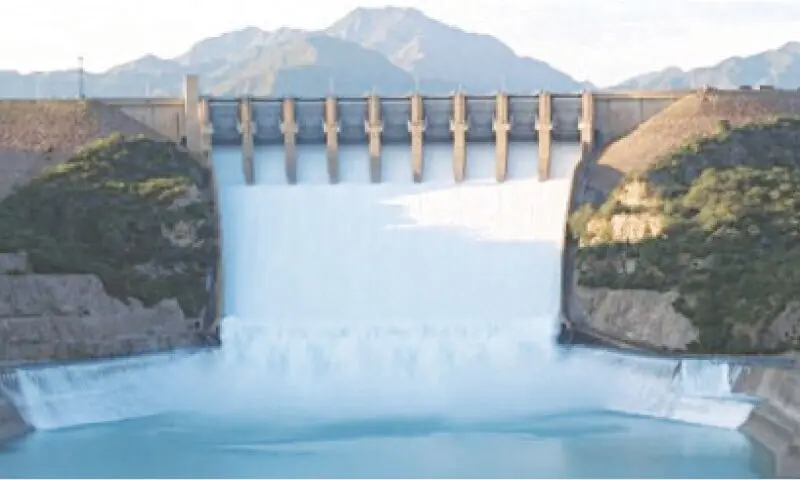
Water storage has since fallen sharply. Combined storage in Tarbela and Mangla reservoirs peaked at 11.6 million acre-feet (MAF) on September 9, but dropped below 9.5 MAF ahead of the new Rabi season. That represents the lowest carryover for the start of Rabi since 2021. Last year, the season began with about 13 MAF in storage.
Kaia Gerber Postpones Work Commitments Following Brother’s Death
Tarbela reached its maximum conservation level of 1,550 feet on August 9 and remained there until September 9. Mangla, meanwhile, reached 5.733 MAF in storage on September 9 before its levels began to decline.
Sources cited by Dawn attributed part of the expected shortage to water releases made during the outgoing Kharif season. They said more than one million acre-feet of potentially avoidable releases were made from reservoirs, following interventions that increased supplies to Sindh with the expectation that adjustments would later be made in provincial allocations. The sources said those adjustments could not be completed during the Kharif season.
The situation has also been affected by weak flows in the Jhelum River, which contributed to lower storage at Mangla. The reservoir’s storage stood at about 5.12 MAF, compared with its maximum capacity of 7.277 MAF, according to the latest figures reported by Dawn.
Around 10.33 MAF of water has flowed into the sea since the start of the Kharif season on April 1, compared with an annual environmental requirement estimated at about 8.2 MAF.
Under the 1991 Water Apportionment Accord, Rabi crops require roughly 37–38 MAF of water. With limited carryover storage, expected availability is estimated at around 21–22 MAF, supplemented by river flows over the next six months.
The Indus River System Authority’s technical committee is scheduled to finalise water availability estimates and recommend criteria for distributing supplies among the provinces for Rabi. The Irsa Advisory Committee is tentatively scheduled to meet on October 5 to approve provincial shares.
The expected shortage could also revive disagreements between Sindh and Punjab over the mechanism used to distribute water during periods of scarcity.
Irsa has for years used a three-tier distribution mechanism that combines provisions of the 1991 accord with historical water-use data. Sindh has opposed the system and called for implementation of the provincial allocations specified under Para 2 of the accord.
Under the current mechanism, Balochistan and Khyber Pakhtunkhwa are generally protected from shortages, leaving Sindh and Punjab to absorb the shortfall. Sindh has argued that this results in a disproportionate reduction in its share, while Irsa has maintained that it cannot alter the existing mechanism without a broader consensus.
The looming water shortage comes at a sensitive time for Pakistan’s food supply. With wheat already falling short of requirements last season, reduced water availability during the coming Rabi cycle could add pressure to agricultural output and increase reliance on imports.