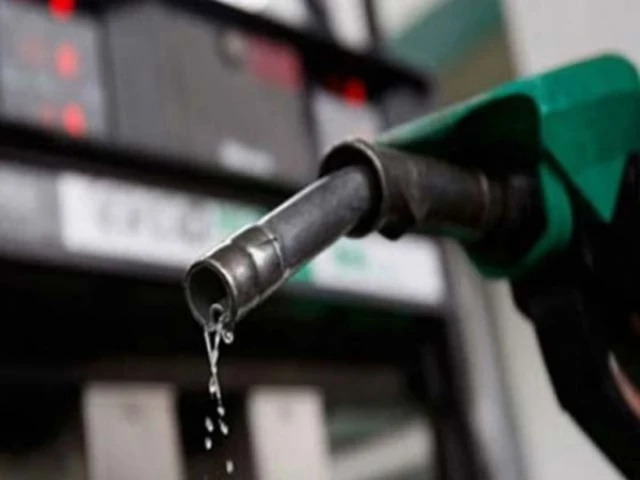
ISLAMABAD, July 17, 2026: Petrol Price increased after the federal government raised the price of petrol by Rs5.44 per litre and high-speed diesel (HSD) by Rs31.05 per litre, only hours after introducing a new daily petroleum pricing mechanism in response to rising international oil prices.
According to a statement issued by the Petroleum Division, the price of petrol has increased to Rs316.15 per litre, while HSD will now cost Rs354.35 per litre. The revised rates will come into effect from midnight on Friday.
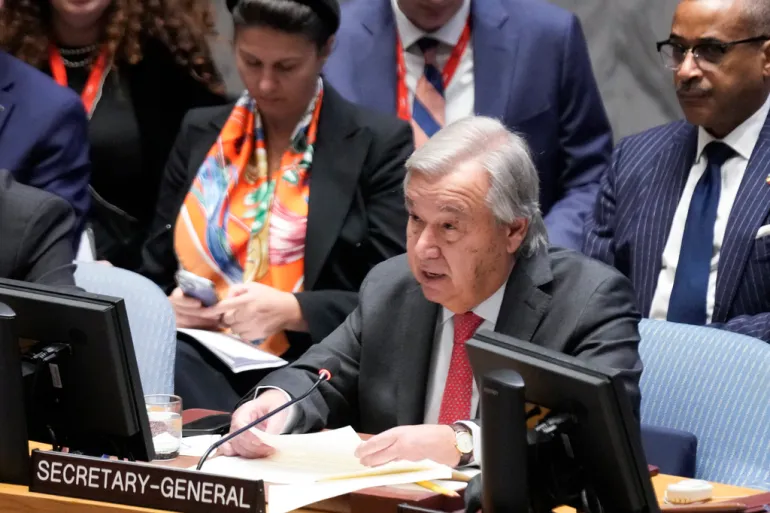
Earlier in the day, Petroleum Minister Ali Pervaiz Malik, accompanied by Information Minister Ataullah Tarar, announced a new system under which petroleum prices will be reviewed on a daily basis instead of weekly.
Gemini 3.5 Pro Google Delays Flagship AI Model Release
The petroleum minister said the new mechanism aims to improve transparency while protecting the government from financial risks caused by sharp fluctuations in international oil markets. He said renewed tensions in the Middle East had pushed global crude oil prices to their highest level in a month.
Malik acknowledged that the latest increase would place an additional burden on consumers but said the decision was necessary to safeguard the country’s economic interests during a period of market volatility.
Pakistan had shifted from fortnightly to weekly fuel price revisions in early March following the outbreak of the conflict between the United States and Iran. The government has now replaced that system with daily price adjustments.
Global oil prices climbed sharply on Friday after the United States and Iran intensified military operations, raising concerns over disruptions to oil shipments through key regional trade routes.
Brent crude rose 4.73% to $88.21 per barrel, while US West Texas Intermediate (WTI) gained 4.81% to $82.75 per barrel. Both benchmarks remained on course for weekly gains of around 16%, driven by fears of tighter global fuel supplies.
Analysts say concerns over shipping through the Strait of Hormuz and the Red Sea, combined with attacks on energy infrastructure in the region, have increased pressure on global oil markets and contributed to higher fuel prices worldwide.