Pakistan’s Indus Waters commissioner warns that unexplained fluctuations in the Chenab River increase security risks and calls for the immediate restoration of treaty mechanisms.
Pakistan has accused India of ignoring four official letters seeking an explanation for unusual changes in the Chenab River’s flow since New Delhi placed the Indus Treaty in abeyance last year.
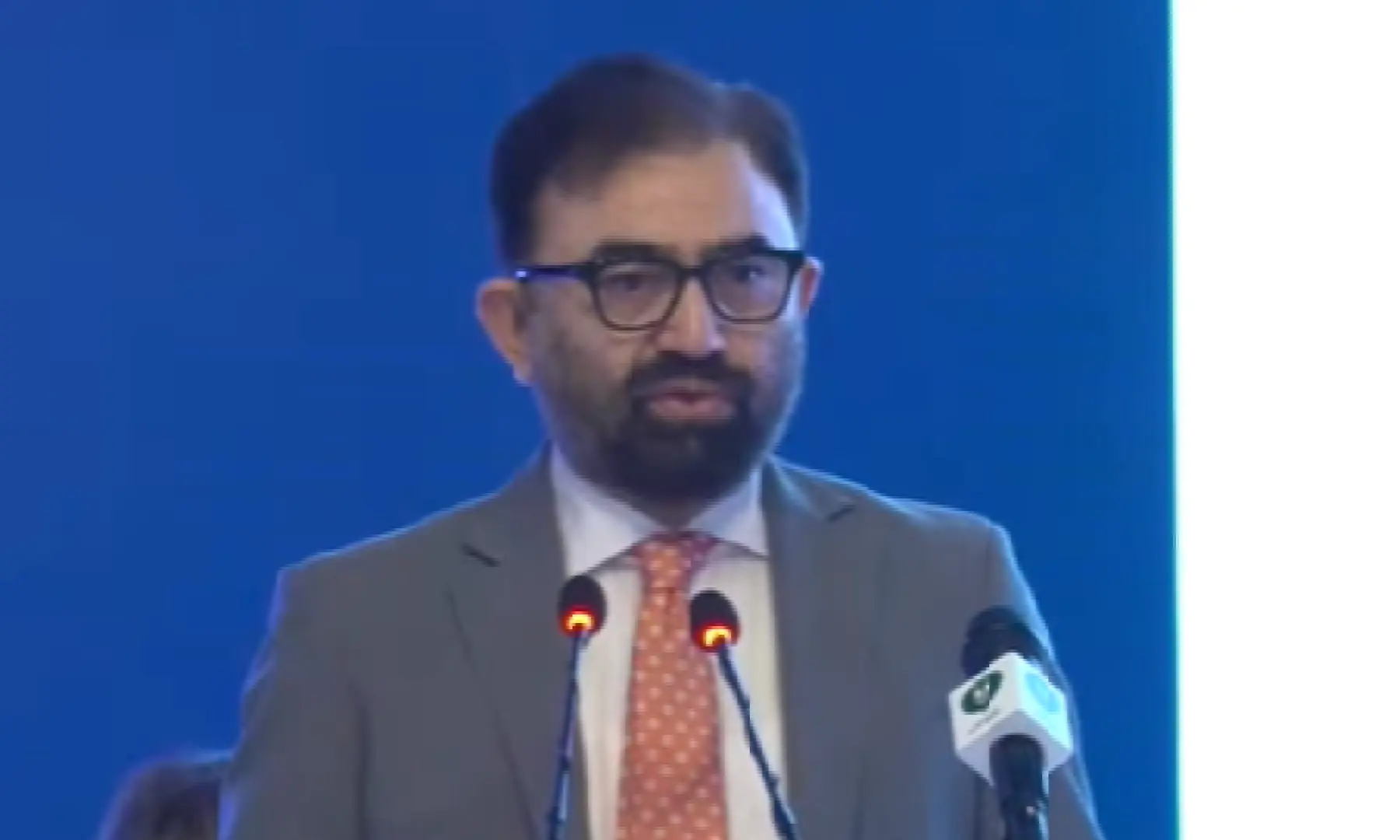
Speaking at a seminar in Islamabad, Pakistan’s Commissioner for Indus Waters, Syed Muhammad Mehar Ali Shah, said he sent another letter to his Indian counterpart on Monday night. The latest communication requests an explanation for fresh fluctuations in the river’s flow.
Pakistan raises concerns
According to Shah, the changes are more than a technical issue. He described them as a strategic concern that could increase uncertainty downstream.
Regular data sharing allows downstream countries to distinguish natural water variations from upstream operational activity, he said. Without that information, governments face greater uncertainty when managing water resources.
Pakistan has continued to fulfil its treaty obligations, Shah added. The country has shared hydrological data, requested meetings, sought inspections and exchanged project information. Despite those efforts, India has not responded to the communications, he said.
The commissioner noted that the Permanent Indus Commission last met in May 2022. Several treaty-related communications and routine data exchanges have also remained unanswered since August 2023.
Call to restore treaty mechanisms
Missing operational data creates avoidable risks, Shah warned. He said no downstream commissioner could ignore significant river flow changes without seeking an explanation.
He urged both countries to restore the treaty’s working mechanisms. Immediate commission meetings, regular data sharing and joint inspections should resume, he said.
Pakistan does not oppose lawful hydropower projects, Shah stressed. Instead, it objects to projects that allow excessive upstream control or operate without transparency.
He also raised concerns about India’s proposed Chenab-Beas Link project. According to Shah, the scheme could divert about 1.9 million acre-feet of water from the Chenab River.
Court rulings and Pakistan’s position
Referring to recent Court of Arbitration rulings, Shah said the tribunal confirmed that treaty dispute mechanisms remain valid. He added that the court’s decisions remain final and binding, even if one party refuses to participate.
Information Minister Attaullah Tarar also addressed the seminar. He described the Indus Waters Treaty as a cornerstone of regional peace and regional stability.
Tarar said Pakistan’s 240 million people have an inalienable right to the waters allocated under the agreement. He rejected any unilateral attempt to suspend or alter the treaty.
The minister added that Pakistan would continue using diplomatic and legal channels to protect its water rights. He also called on all parties to respect international agreements and treaty obligations.